How to Price Your Private Label Art Supplies for Maximum Profit
Most private label art supply brands fail not because the product is bad, but because the price architecture is wrong — too cheap to signal quality, or too expensive for the shelf position. This guide walks through the complete pricing math from FOB factory cost to retail shelf price, with the margin benchmarks H&B Art has observed across 200+ brand partners since 2010. Many new brand owners price off the FOB price alone — a fatal mistake. Your real unit cost includes every step before the product reaches your customer: Rule of thumb: your all-in landed cost is typically 1.3-1.5x the FOB price. Price everything from this number, never from FOB alone. Retail = 2x landed cost. Standard for commodity art supplies sold through retail chains and stationery stores. Thin margins but predictable velocity. Retail = 2.5-3.5x landed cost. Works for branded, specialty or professional-grade sets. Requires strong packaging and clear differentiation. Retail = 1.5-1.8x landed cost. For marketplaces (Amazon/Etsy) where reviews and rank matter more than per-unit margin. Buy box wins drive volume. What H&B sees in the data: successful private label art brands typically run a mix: one entry SKU at 1.8x for traffic, one hero SKU at 2.8x for profit, one premium gift SKU at 3.5x for brand perception. Start from the margin you need, then derive the maximum FOB price you can afford: Example: Target retail $24.99, target margin 60%. Max landed cost = $24.99 × 0.40 = $10.00. Max FOB = $10.00 ÷ 1.4 ≈ $7.14. If your manufacturer quotes above this, renegotiate specs or packaging — don't stretch the margin. Never launch at scale without validating price acceptance: Explore products optimized for private label margin structures: H&B Art provides transparent FOB pricing with clear spec-to-price trade-offs — so you can design to your margin, not around it. Our OEM team shares real cost data on packaging, color count and bundle options before you commit, and samples ship within 7 days. MOQ from 300 sets, ASTM D-4236 & EN71-3 certified, FOB/CIF export support. Request a pricing model for your target retail price — our export team responds within 24 hours.Why Pricing Decides Whether Your Private Label Art Supplies Line Succeeds
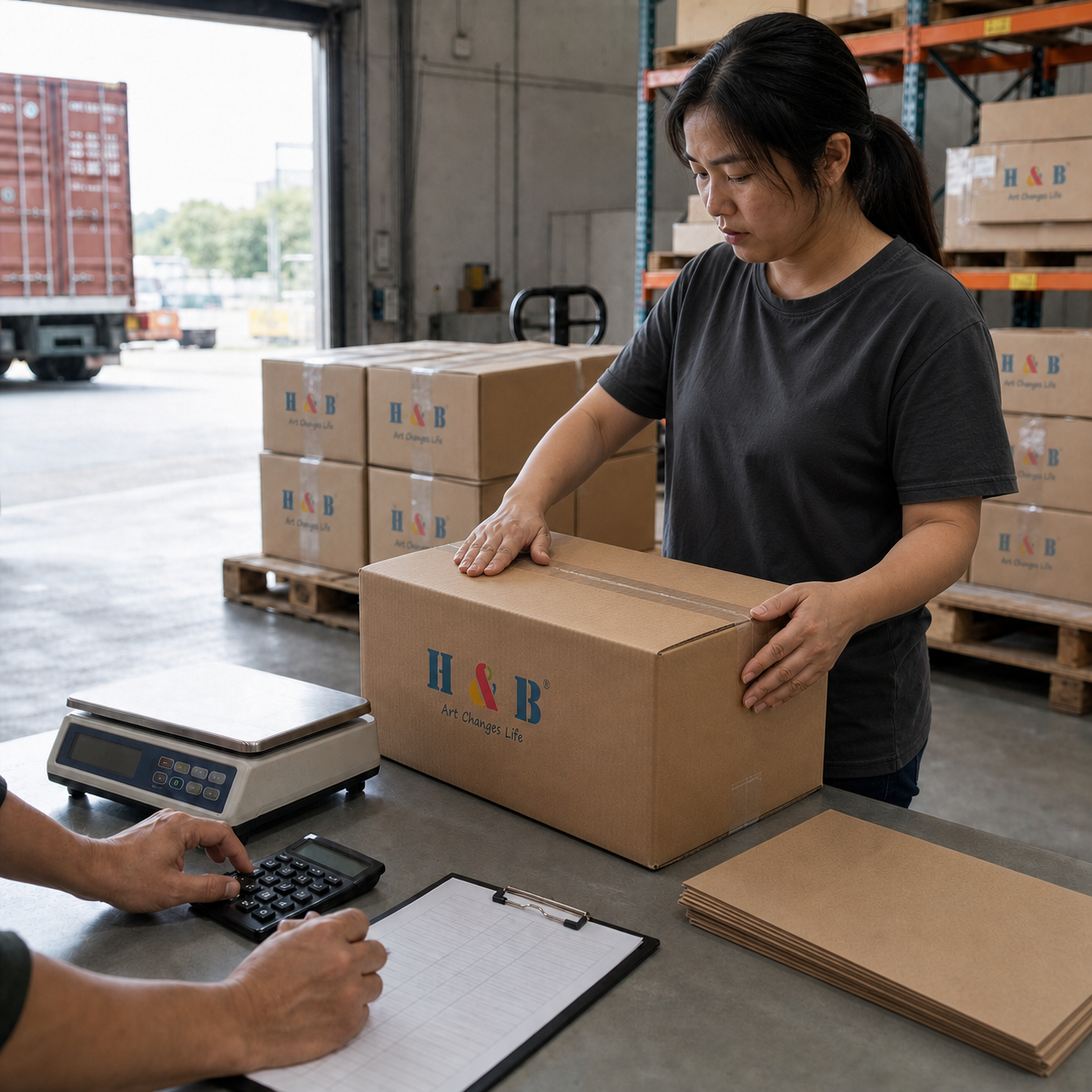
Step 1 — Know Your True Landed Cost (Not Just FOB)
Cost Component Typical Range Notes FOB Factory Price Base What the manufacturer quotes Ocean Freight + Insurance +8-15% of FOB Depends on container utilization Import Duty & Taxes +3-12% Varies by market (US/EU differ) Customs Brokerage +$50-200/shipment Amortize across units Warehousing & Handling +2-5% Storage + picking + packing Platform/FBA Fees +15-25% of retail Marketplace-dependent Step 2 — Choose Your Price Architecture (3 Models)
Keystone Pricing (2x)
Premium Positioning (2.5-3.5x)
Value Bundle (1.5-1.8x)
Step 3 — Work Backward from Your Target Margin
Step 4 — The Hidden Cost Levers (Where Margin Lives or Dies)
Step 5 — Price Testing Before Full Commit
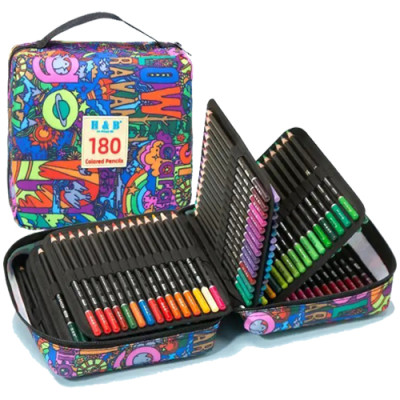
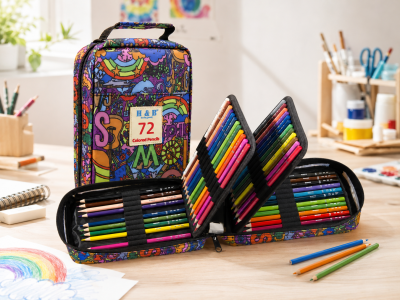
Related Products from H&B Art
H&B Helps You Hit Your Margin Target