Can you customize the product?
Yes. H&B Art accepts both OEM and ODM work, supported by an in-house R&D team that develops products against a buyer's requirements rather than only reprinting an existing catalogue item.
What can be customized
| Layer | Examples |
|---|---|
| Branding | Logo printing, label design, brand-name application to the product surface |
| Packaging | Tin, box, bag or blister structure, printed artwork, inserts and colour charts |
| Specification | Colour counts, component mix, lead diameter, barrel material and set dimensions |
| Assortment | Which items are grouped in a kit, and how the kit is tiered by price point |
OEM versus ODM
OEM means you bring the specification and we manufacture to it. ODM means you bring the commercial requirement — the market, the price point, the channel — and our R&D team proposes the configuration. Most first orders combine the two: a standard structure with custom branding and packaging artwork, then a specification change in the second order once the product is selling.
How a custom project runs
- Requirement — product, target market, channel and target landed cost
- Proposal — configuration and specification options with the trade-offs between them
- Sample — a physical pre-production sample carrying the actual branding and packaging
- Approval and production — nothing is manufactured until the signed sample and the order confirmation are in place
What affects the minimum and the lead time
Customisation depth is the main driver of both. Branding applied to an existing specification moves quickest; new tooling for a bespoke structure or a new component takes longer and carries a higher minimum. Our standard wholesale programmes begin at 300 sets per reference, and the minimum for a fully custom project is confirmed against specification and packaging complexity.
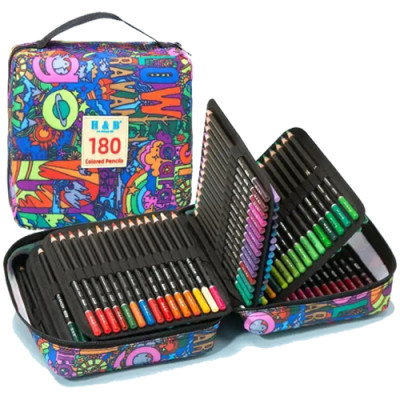
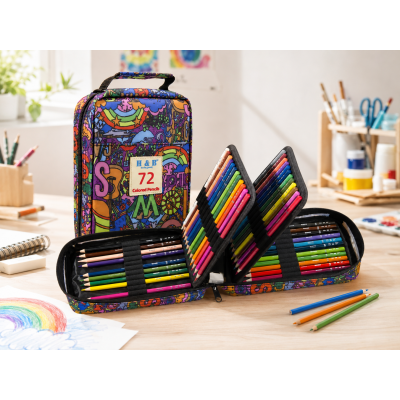
Are you looking for a reliable OEM manufacturer of art supplies?
We can quickly provide customers with market analysis, technical support and customized services.