Custom Logo Pencils for Corporate Gifts: A Buyer’s Specification Checklist
A custom-logo pencil works as a gift only if the recipient can use it comfortably and the printed message stays clear through normal handling. Buyers should specify the pencil, artwork, packaging and delivery as one product. A logo proof alone does not show whether the pencil sharpens well, the colors are useful or the carton will arrive in good condition.
Define the Recipient and Use
A conference giveaway, school gift and retail souvenir call for different pencil configurations. A writing pencil may need a dependable eraser and grade; a colored pencil set needs a useful palette and clear color names. Ask where the recipient will use it, whether it will be carried or stored, and whether the brand message should remain visible after repeated handling.
Choose the product first, then decide where the logo belongs. If the barrel is narrow or faceted, print area and orientation may limit the design. If a set has a tin or sleeve, that surface can carry more information while the pencil remains easy to identify.
Specify the Pencil Before Artwork Approval
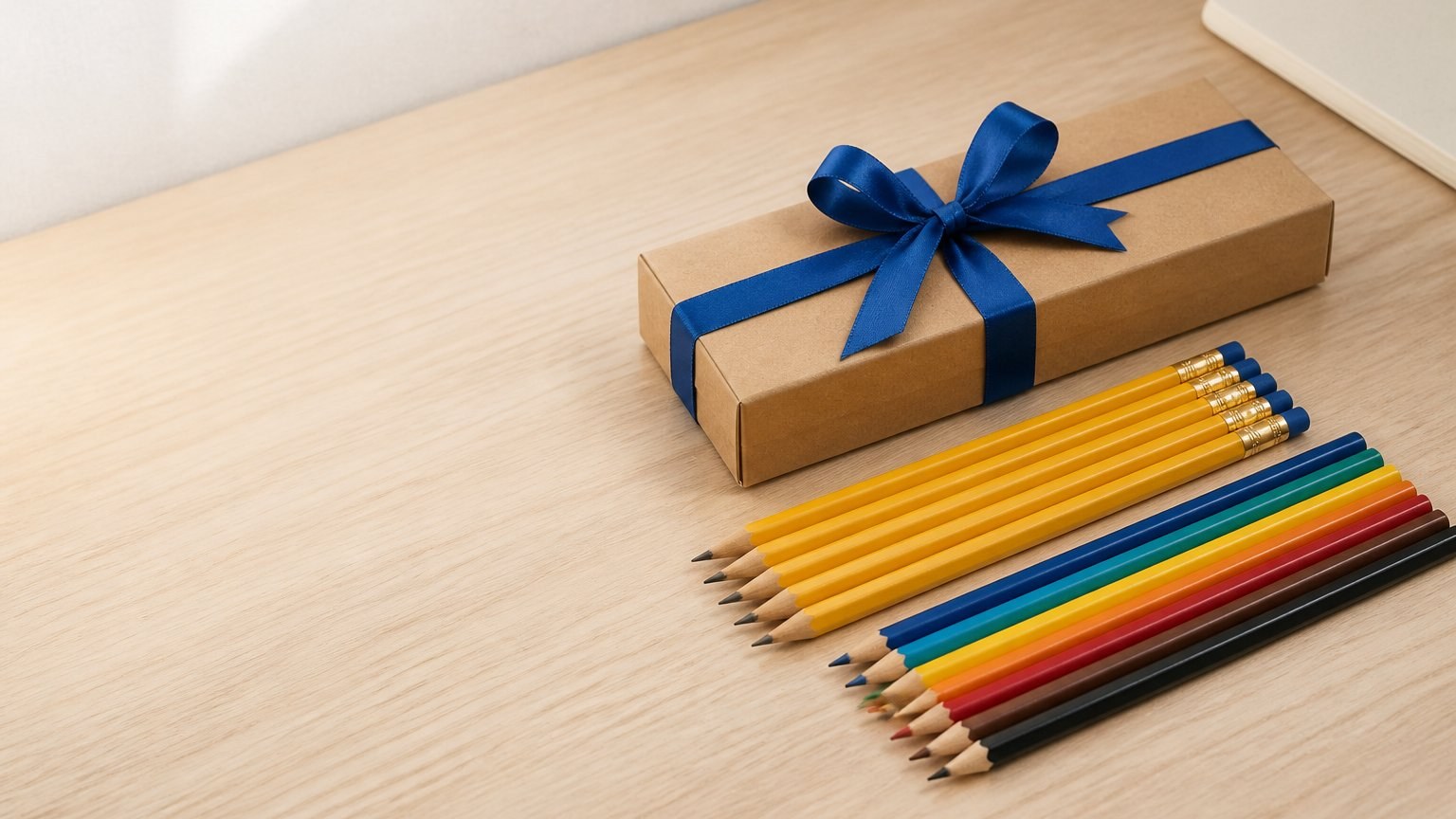
Record graphite grade or colored-pencil formulation, core and barrel dimensions, barrel shape, finish, color range, eraser or cap options and set count. Ask for a physical sample to test sharpening, point retention, writing or coloring feel and barrel durability. These user-facing details should not change after artwork is approved without a new sample.
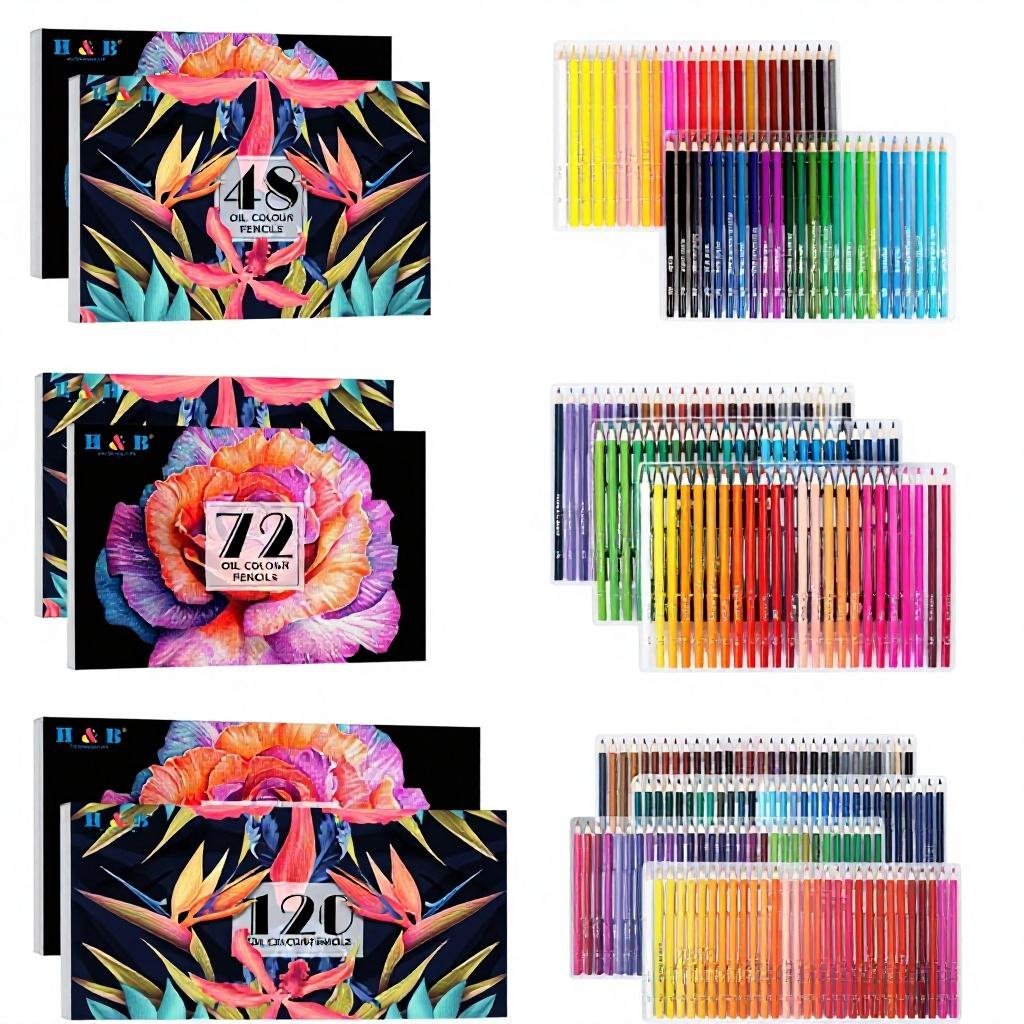
For a colored set, compare the printed color chart with dry physical swatches and barrel codes. For a writing pencil, test the supplied eraser if included. A beautiful imprint on a pencil that performs poorly does not serve the recipient.
Prepare Artwork the Factory Can Print
Send a vector logo and a dimensioned layout showing print position, size, colors and orientation. Specify the intended barrel color and any finish or coating. Ask the supplier to identify print method, minimum line width, color limitations and registration tolerance for the chosen barrel. If the logo contains tiny text, request a physical sample at final size before approving it.
Keep version numbers on artwork and proofs. The buyer, designer and factory should sign off the same final file. A screenshot or low-resolution image should not become the production master. If a color reference matters, agree how it will be checked on the actual barrel material.

Choose Packaging for the Delivery Route
A loose promotional pencil, a small gift box and a full art set need different protection. Test the unit pack, inner tray and outer carton for movement, crush risk and ease of opening. Confirm unit count per carton, barcode, insert, language panel and storage instructions. If the set is intended as a gift, check the condition after realistic shipment handling.
Packaging can also carry instructions and claims that will not fit on the barrel. Check that any safety, material or sustainability language is supported by evidence for the exact item and destination market before printing. Do not copy a claim from a different pencil range.
Review Documents for the Finished Product
For U.S. art materials, the CPSC explains ASTM D4236 assessment and labeling. An ASTM statement is not a blanket “non-toxic certificate.” For an EU product classified as a toy, review applicable toy safety requirements and product-specific evidence for the sellable set. If wood sourcing or recycled packaging is claimed, request the specific supporting documentation.
Ask which model, colors, materials and accessories each report covers. The packaging proof should match the approved item. A logo or brand change may not alter formulation, but a new eraser, coating or accessory can affect the document review.

Work Backward From the Event Date
Start with the date the buyer needs usable goods, then allow time for artwork, printed samples, any required document review, production, inspection, freight and receiving. Request current project-specific lead times; do not rely on a generic “seven-day sample” promise. If the deadline is fixed, identify which decisions must be made first and whether a simpler standard format would reduce risk.
Record the trade term and named place, the delivery point and the person who approves changes. A late change in logo, package or destination language can affect the schedule even when the pencil itself is standard.
RFQ Checklist for Custom Logo Pencils
- Who is the recipient and what pencil task should the gift support?
- What are the pencil grade or color range, dimensions, finish and accessories?
- What vector logo, print area, colors and proof tolerance are required?
- What complete sample and inspection criteria will be approved?
- Which pack, carton, label and destination-market documents are needed?
- What quantity, event date, trade term and delivery point apply?
A clear brief helps the supplier quote the same product the buyer intends to give away and lets the recipient judge the gift by its actual use.