Does a 3.3 mm Colored Pencil Core Matter? A Buyer’s Testing Guide
Core diameter is one part of colored pencil performance, but it cannot tell a buyer on its own whether a pencil will blend well, retain a point or resist breakage. A 3.3 mm core may suit a particular product design; the useful question is whether the complete pencil works for the intended drawing task and survives normal sharpening, handling and shipment.
What Does a 3.3 mm Core Tell You?
It describes the nominal width of the colored core. It does not describe pigment load, binder system, hardness, laydown or lightfastness. Two pencils with the same core diameter can draw differently because their formulations, barrel sizes and manufacturing controls differ. Ask for a dimensional tolerance, not only a headline value, and confirm how the supplier measures it.
For the end user, the core should match the task. Fine detail benefits from reliable point retention and predictable sharpening. Broad coverage benefits from a comfortable, smooth laydown and enough usable color per pencil. The trade-off should be evaluated on physical samples, with the same paper and sharpener, rather than inferred from diameter alone.
How Should Users Compare Drawing Performance?
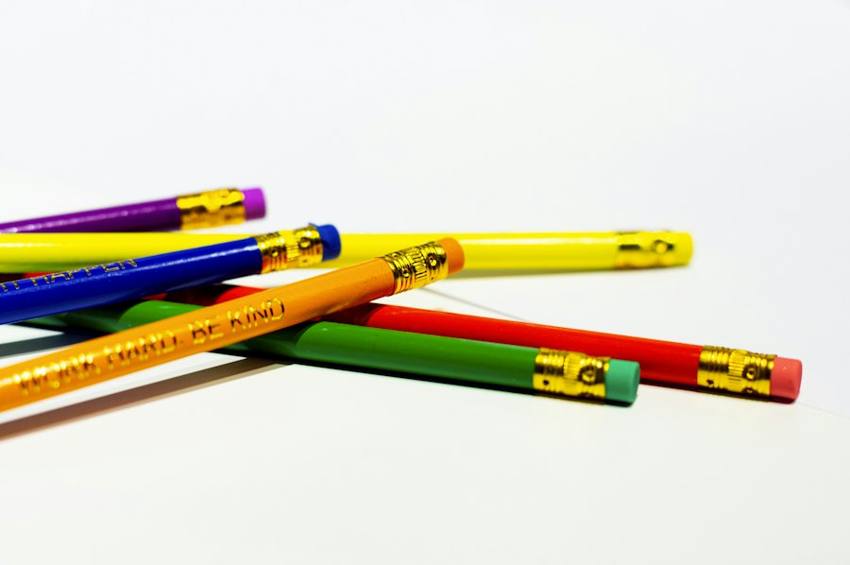
Make a light line, a dark line and a gradual three-color layer on the paper a customer will actually use. Note whether the core scratches, crumbles, smudges or reaches a waxy limit before the desired value is achieved. Sharpen to a point and repeat a fine-line exercise; record how quickly the point wears and whether the pencil breaks while sharpening.
Some users prefer a firmer-feeling pencil for details, while others want a softer feel for coverage. Those preferences are legitimate but product-specific. Ask a small group of target users to complete the same drawing task and describe what worked. Their feedback helps choose a set; it is not a lab measurement or proof of universal superiority.
What Causes Core Breakage?
Breakage may relate to the core composition, adhesion within the barrel, wood quality, point geometry, sharpening method, handling or transport. A thicker core alone does not eliminate these causes. Inspect samples from more than one carton and several colors. Compare the same sharpener and handling routine across candidates, then examine where breaks occur.
For a purchase order, define the defect and inspection method with the supplier. Record broken cores discovered before use, breaks during normal sharpening and visible barrel defects separately. A single dramatic drop does not model every shipping condition. If transit damage is a concern, evaluate the packed set and outer carton as well as the individual pencil.
Which Specifications Belong in an RFQ?
- Dimensions: core and finished barrel diameter, shape, length and agreed tolerances.
- Color system: complete color list, barrel codes, approved swatches and replacement availability.
- Drawing behavior: the target paper and agreed methods for laydown, point retention, layering and sharpening.
- Construction: casing material, bonding and finish, plus packed-set protection.
- Claims: product-specific test evidence and label artwork for the destination market.
Retain an approved physical sample as the reference. Before a repeat order, confirm that the formula, casing and color codes have not changed. If they have, request new samples and recheck the characteristics users rely on.
How Should Color and Lightfastness Claims Be Checked?
A color-consistency number such as a ΔE limit is meaningful only with a defined color space, measuring instrument, illumination, sample preparation, sampling plan and acceptance rule. Do not treat an unsupported “below ΔE 1.5” statement as a guarantee across every color and batch. Ask the supplier which colors were measured, against what reference and at which production stages.
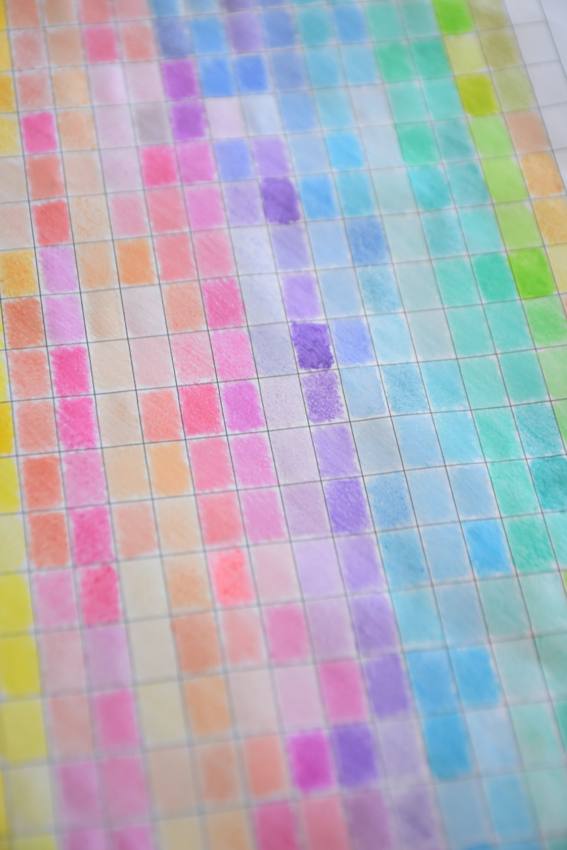
For artist-focused lines, request color-specific lightfastness results and the method used. Some hues may perform differently from others. The retail label should say only what the evidence supports. A color chart that shows real dry swatches is also useful for purchasing and customer expectations, even when no formal lightfastness rating is advertised.
What About Children’s Safety Claims?
Safety evidence belongs to the exact item and its intended market. The U.S. CPSC describes the assessment and ASTM D4236 labeling of art materials; it also explains that “non-toxic” is not a term defined by the relevant regulation. For an EU product classified as a toy, check the applicable toy requirements and the scope of any EN 71-3 report. Neither a core diameter nor a general statement about the supplier proves that every set is suitable for children.
Ask for the current label, age marking, component list and report scope before approving copy for packaging or school tenders. If the set includes accessories, include them in the review.

Decision Checklist
Choose the core diameter after confirming that the pencil performs well in the target user’s drawing exercise, sharpens consistently, survives the agreed inspection, fits the packaging and can be reordered to the same specification. If several diameters pass, compare total product value and user feedback. Do not make one size the default without testing the actual product line.