From Materials to Packed Set: What Art Supply Buyers Should Inspect
An art supply passes through material selection, production, inspection and packing before a customer uses it. The exact workflow differs for pencils, paints, markers and kits. Buyers do not need every factory detail, but they do need to know where the user’s most important quality characteristics are set and how the manufacturer checks them.
Start With the Finished User Task
For a colored pencil, users notice sharpening, color laydown, point retention and barrel comfort. For watercolor, they notice activation, mixing, drying and behavior on paper. For a kit, they notice whether all components work together and can be stored. These experiences should determine what the buyer asks to see in a process review.
Write the end-user task into the purchase brief. Then ask the manufacturer which production stages control it. A catalog process diagram can be useful orientation, but it may not reflect every product line or subcontracted component. Request the actual flow for the item being ordered.
Check Incoming Materials and Traceability
Ask how the factory identifies incoming pigments, binders, wood, cases, brushes and packaging as applicable. Which supplier and material specifications are approved? What is checked on arrival? How are nonconforming materials separated? The answers matter because a change in a critical ingredient can alter color, performance or product-specific documentation.
Request a lot or batch traceability example for the finished SKU. It should show how production and key material records can be retrieved if a buyer reports a defect. The level of detail depends on the product and contract; do not assume a generic “traceable” statement provides the records you need.
Observe the Steps That Set Product Performance
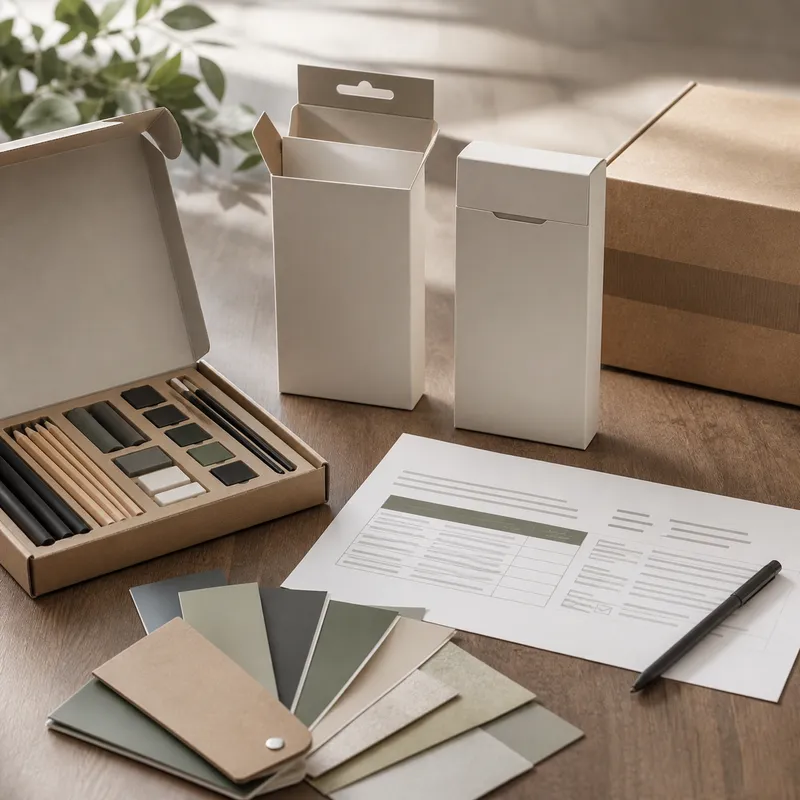
For a pencil line, ask where core formulation, core dimensions, casing, finishing and sharpening behavior are controlled. For a paint line, ask how formulation, filling or pan formation, drying and container integrity are checked. For a mixed kit, ask who assembles the components and verifies the complete count and package.
Do not treat a video tour as proof that all steps occur at one site. Ask which operations are in-house and which are supplied by partners. If a critical process is outsourced, request the same specification and change-control expectations for that step.
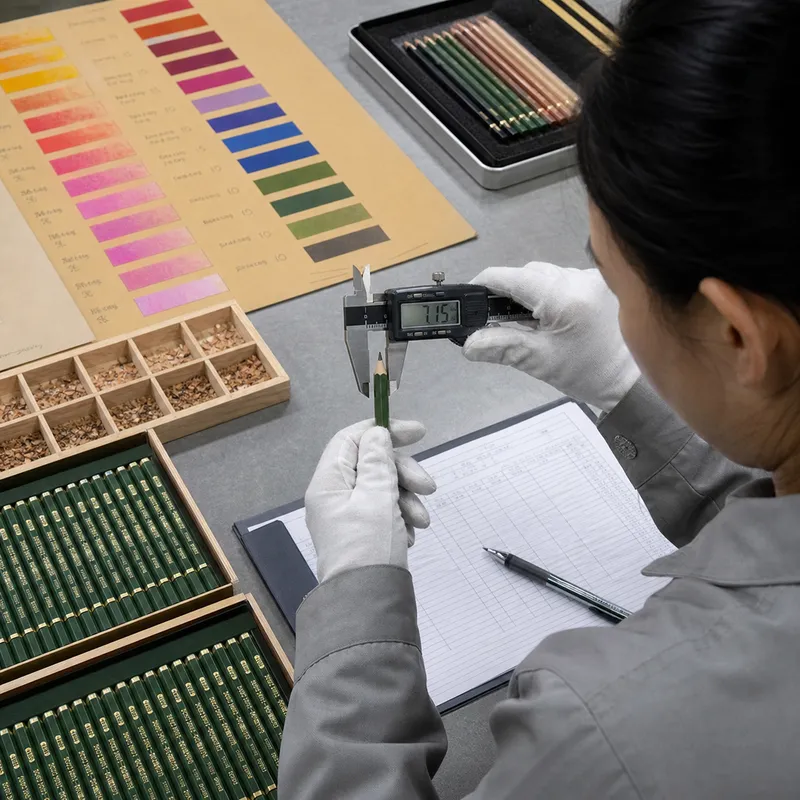
Approve a Pre-Production Sample
Test the product on the paper or surface the end user will use. For pencils, repeat a defined drawing and sharpening exercise. For watercolor, compare wet, dry and rewetted swatches. For kits, inspect every component, the instructions and the case. Record conditions and results, then sign a complete packed reference sample.
The factory should produce to the same specification revision as the sample. If a color, material or accessory changes, require notice and decide whether new samples or documents are needed. This is the bridge between a promising prototype and a repeatable order.
Define In-Process and Final Inspection
Ask which characteristics are checked during production and which are checked after packing. Define the sample size, defect categories and acceptance method in the order. A pencil inspection may include core breakage, barrel finish, color codes and missing pieces; a paint set may include closure, leakage, color and pack count. The exact plan should follow the SKU’s risks.
Keep inspection results with batch identification and corrective actions. If a lot fails, agree on rework, retesting and release authority before goods are shipped. A statement that a factory uses “AQL 2.5” is incomplete unless the sampling standard, defect class and acceptance numbers are also specified.

Keep Quality Systems and Product Claims Separate
If a site holds ISO 9001 certification, check the certificate’s issuing body, scope, address and dates. ISO explains that outside certification bodies issue management-system certificates; such a certificate does not certify every product batch. Product tests, toxicological reviews, safety declarations and inspection records are separate evidence.
For U.S. art materials, the CPSC describes ASTM D4236 assessment and labeling. For a finished item classified as a toy in the EU, review the applicable toy requirements and SKU-specific documentation. Match the final label to the tested configuration and destination market.
Questions for a Process Review
- Which site and partners make and assemble this exact SKU?
- Which materials and stages determine the user-facing properties?
- What incoming, in-process and final checks are recorded?
- How are samples, colors, components and packaging approved?
- How are lots traced and defects corrected?
- What changes trigger buyer approval or renewed documentation?
A process review is useful when it helps the buyer connect the finished user experience to observable controls. Use a current product-specific flow and records rather than assuming one factory story covers every art supply category.