How Pencils Are Made: Production Checkpoints for Buyers
A wooden pencil looks simple, but the user notices every weak point: a core that breaks during sharpening, a barrel that splinters, or a grade that does not match the label. Understanding the main production stages helps buyers write a clearer specification and ask for useful evidence. The exact process varies by graphite, colored and water-soluble pencils, so treat the sequence below as a checkpoint guide rather than a claim about one factory line.
Start With the Pencil the User Needs
Define whether the pencil is for writing, sketching, coloring or water-activated drawing. Decide the expected grade or color range, core diameter, barrel shape, finish, packaging and intended age group. These choices determine which production checks matter. A drawing pencil may need consistent grade and point retention; a colored pencil set may need repeatable color codes, smooth laydown and a useful palette.
1. Prepare the Core Formulation
Graphite pencils commonly use a graphite and clay-based core system; colored pencils use pigments, binders and other ingredients selected for the intended mark. Material choices influence hardness, color strength, wear and sharpening behavior. Buyers do not need a confidential recipe, but they do need a written performance target and an approved sample to compare against later lots.
2. Form and Condition the Core
The mixed material is formed into pencil cores and conditioned according to the formulation. Different core types need different processing. Ask the supplier how core diameter and straightness are checked and what defect limits apply. A core that varies along its length can create breakage and uneven marks even when the outside of the pencil looks sound.
3. Prepare the Barrel
For a traditional wood-cased pencil, the casing material is cut into slats and grooved to hold the core. The two halves are joined, shaped and finished. A buyer should check whether the finished barrel sharpens cleanly, holds the core securely and matches the agreed dimensions. Ask what wood or other casing material is specified rather than assuming all pencils use the same material.
4. Apply Finish and Identification
Paint, lacquer, printing and end treatments give the pencil its appearance and help users identify a grade or color. Review a physical print proof for logo position, color-code legibility and any destination-market labeling. Scratch or rub tests may be useful where the finish will receive heavy handling. Keep the approved artwork and barrel sample as references.
5. Assemble the Set
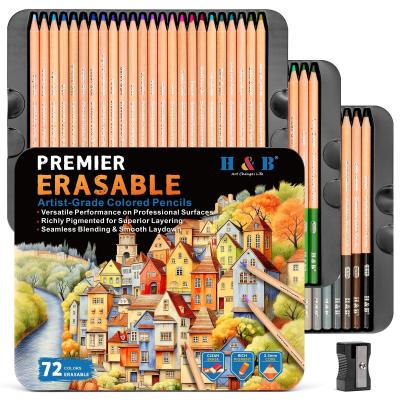
A set is more than a collection of pencils. Check the color order, tray fit, sharpener or eraser if included, and how the box protects the contents in transit. The exterior color chart should match the actual sticks. If individual colors are advertised as refillable, confirm the replenishment method and codes before printing that claim.
6. Inspect Finished Pencils
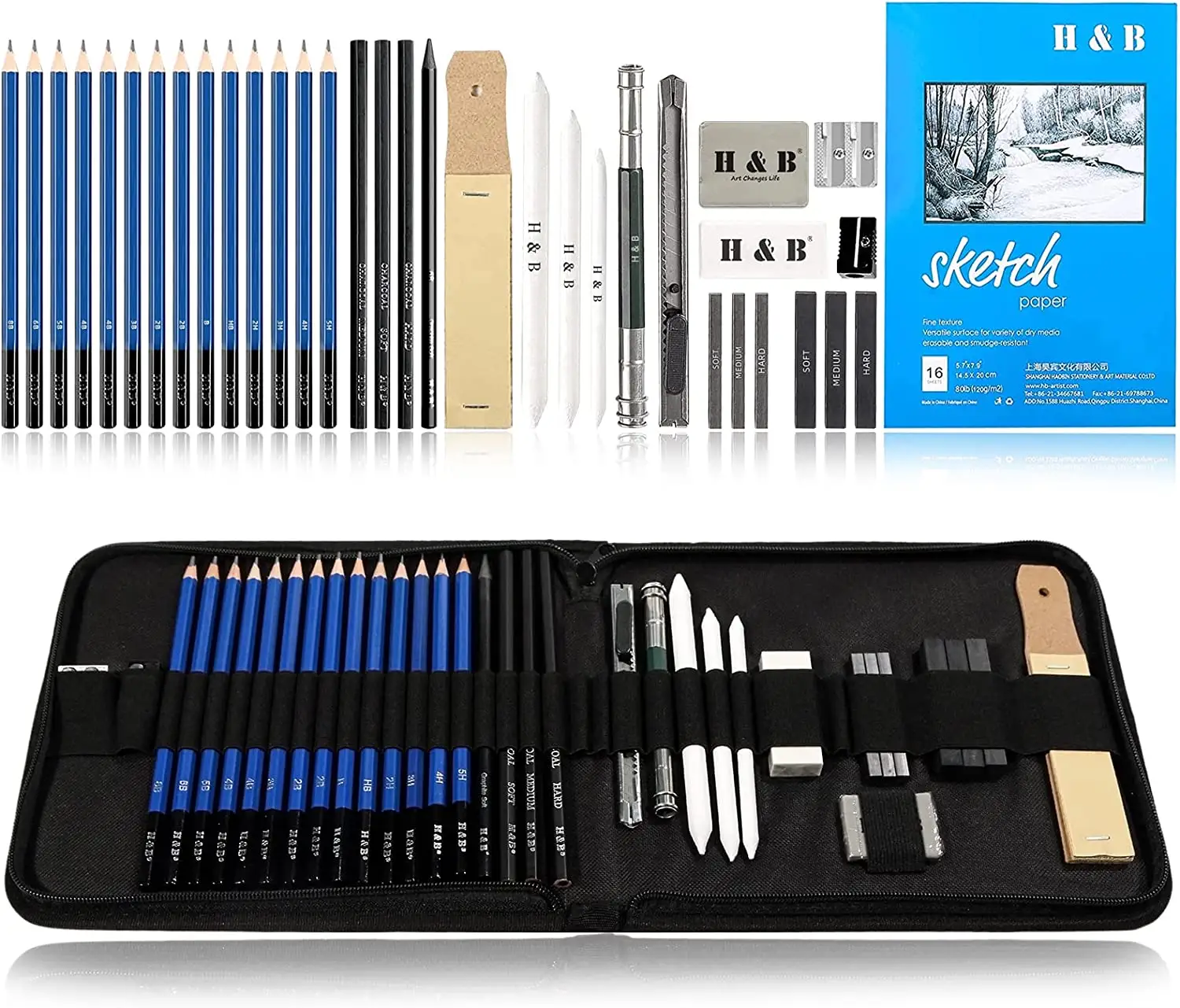
Draw a repeatable sample from several cartons and colors or grades. Record visual finish, barrel size, core centering, sharpening, breakage and laydown. For colored pencils, compare dry swatches on the same paper and, if the product is water-soluble, test water activation separately. For graphite pencils, compare the darkness and point behavior of the grades stated on the barrel.
Agree acceptance criteria in the purchase specification. “Good quality” is not a measurable limit; a defect list, sample size, inspection stage and remedy are more useful. The supplier and buyer should know which approved physical sample governs a disagreement.
Claims and Market Rules Need SKU-Level Review
Do not turn a process description into an unsupported safety or permanence promise. For U.S. art materials, the CPSC guidance explains the toxicological assessment and ASTM D4236 conformity statement. For a pencil set classified as an EU toy, review the applicable toy safety requirements and evidence. Match reports, dates and labels to the exact SKU and intended market.
What to Include in the Buyer’s Production Brief
- Core type, grade or color codes, diameter and intended technique.
- Barrel material, shape, dimensions, finish and printed information.
- Set configuration, accessories, tray, retail box and master carton.
- Approved swatches, sharpening reference and defect criteria.
- Destination market, intended age group, label language and documentary evidence required.
- Sample approval, production inspection and replenishment plan.
This brief lets the supplier quote the actual product and gives the quality team a clear inspection reference. Ask for photographs or records from the relevant stages where they help resolve a specific risk, and verify critical points on production samples before dispatch.
Related Pencil Set Formats
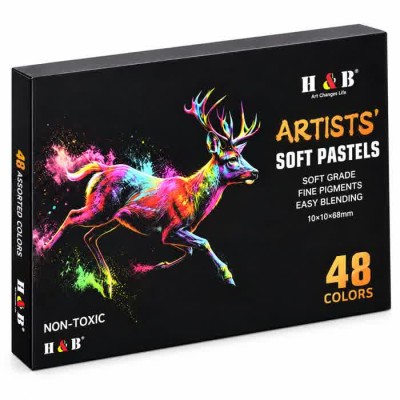
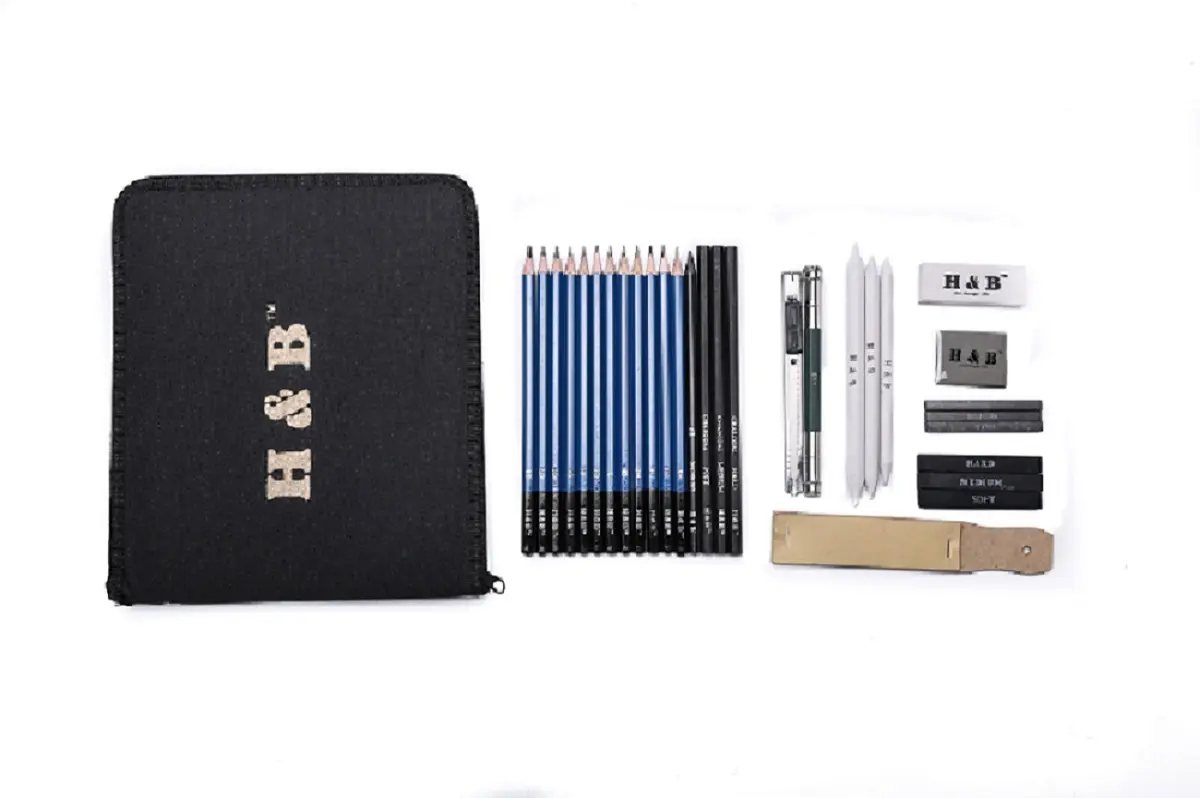
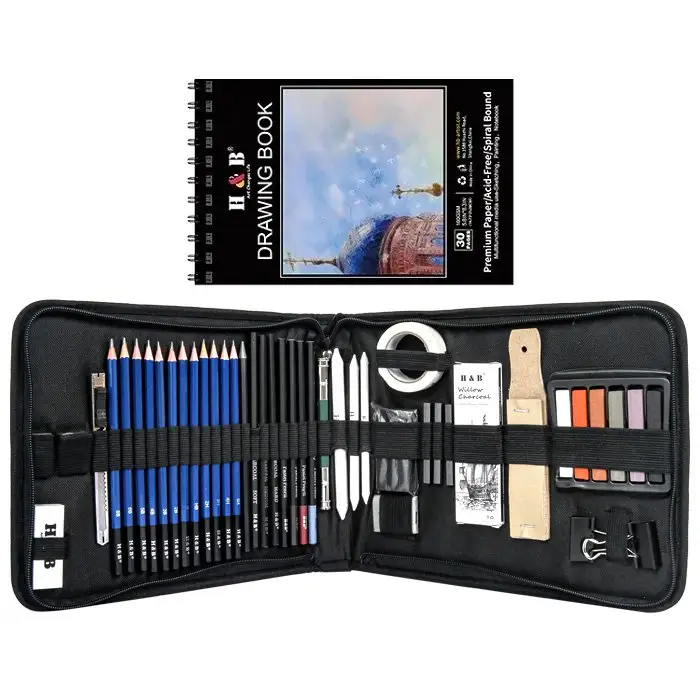
These pages show possible configurations; confirm the exact specification and evidence for the set selected.