How to Choose a Colored Pencil Set for Retail, School and Art Buyers
A colored pencil set succeeds when the person using it can get the color, control and durability promised on the package. For distributors, that means choosing a range around real end-user tasks and then specifying a repeatable product, rather than choosing a box only by color count or a supplier’s “professional” label.
Start With the End User and the Job to Be Done
A school beginner may need a compact palette, clear color names, durable pencils and packaging that survives repeated handling. A hobbyist may value smooth layering, easy blending and a useful spread of values. An illustrator may need consistent point control, color replacement and color-specific lightfastness information. These are purchase criteria that can be tested; “premium” is not.
Write a one-sentence promise for each proposed SKU. For example: “A starter set for dry drawing in a classroom” or “A larger set for detailed dry illustration.” The promise determines the palette, paper test, instructions, packaging and documentation you should request.
Compare Core Behavior Before Choosing a Label
“Wax-based,” “oil-based” and “water-soluble” describe useful attributes, but dry colored pencils can use blends of binders. Do not infer softness, pigment strength or break resistance from the label alone. Ask the supplier for a sample from the exact product line and test all candidates on the same paper with the same pressure.
Make light marks, dense marks and a three-layer gradient. Note color buildup, point retention, scratching, crumbs, smudging and how soon the paper stops taking layers. Sharpen several colors from different cartons and record broken cores or wood defects. If the line is water-soluble, add a controlled water-activation and full-drying test. Do not mix its wet results into a dry-pencil ranking.
Build a Palette That Solves Real Drawing Problems
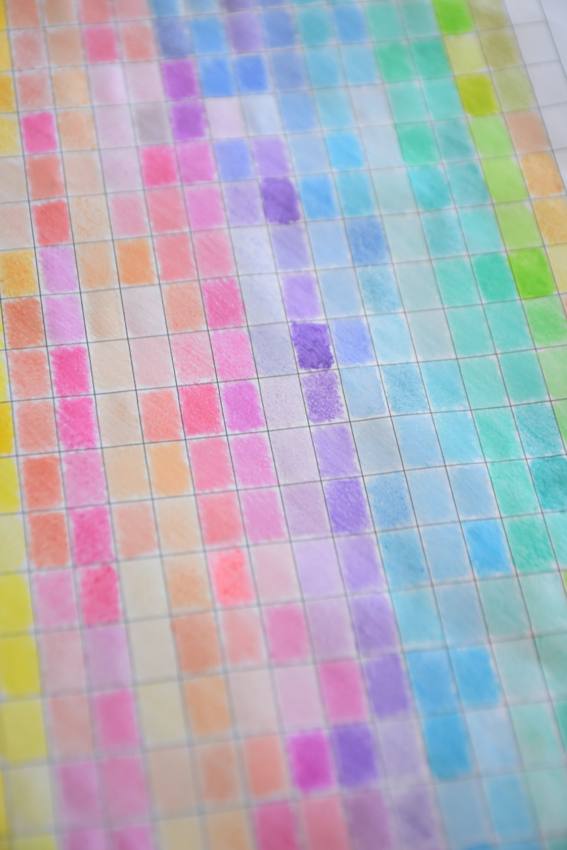
Color count is useful only when the colors have a role. A starter set needs usable primaries or mixing partners, neutrals and light-to-dark steps. A larger set should add meaningful hues and values rather than many near-duplicates. Compare the printed chart with physical swatches under consistent light; check that names and color codes match the barrels and box.
For a retail range, a small entry set and a larger upgrade can serve different users, but there is no universal best count. Look at shelf space, likely use, price architecture and whether individual colors or the same set can be reordered. For schools, prioritize class-pack handling and replacement of frequently used colors. Confirm the exact assortment and color codes in writing before production.
Evaluate Packaging as Part of Product Performance
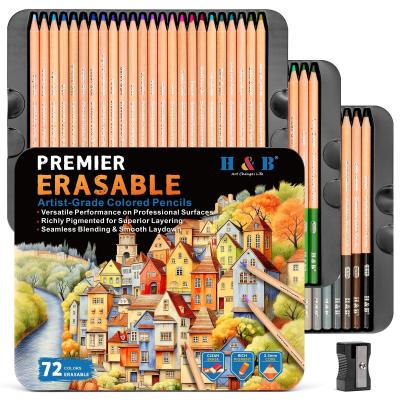
A tin, cardboard box or fabric case changes protection, storage and display. Choose the format by where and how the end user will use the set. For a classroom, test repeated opening, pencil removal and return to the case. For a gift product, inspect the tray, hinge or zipper, and the condition after a simulated shipment. A packaging claim should be supported by the actual sample, not a generic catalog image.
Specify the outer carton, inner protection, barcode placement, language panels and any brush, sharpener or instruction sheet included. Ask which components can change between repeat orders. Approve a complete packed sample, not only loose pencils, because the sellable unit is what the customer receives.
Review Safety and Performance Claims by SKU
For U.S. art materials, the CPSC art-material guidance explains the toxicological assessment and ASTM D4236 conformity statement. D4236 is not a blanket “non-toxic certification.” For an EU item classified as a toy, check the applicable toy safety requirements, including the relevant EN 71-3 evidence and CE documentation where required. Product classification depends on intended use and marketing; do not apply one checklist to every set.
Ask for the model, formulation or material scope, report dates, tested colors and components, and final label artwork. A report for one set should not be presented as proof for the whole range without checking its scope. If the product advertises lightfastness, request the test method and color-specific results; a single rating on the box may hide variation among colors.
Use a Repeatable Sample Approval Sheet
- Record the test conditions: paper type, light, pressure, number of passes, sharpener and water amount if applicable.
- Score the user experience: laydown, layering, point control, breakage, barrel comfort and ease of identifying colors.
- Inspect the finished set: all pieces present, names and codes aligned, packaging sound, instructions readable and label artwork consistent with approved documents.
- Set acceptance criteria: agree the sample size, inspection method and defect definitions with the supplier before production.
- Keep a reference: retain signed physical samples and photos for the first shipment and subsequent replenishment orders.
A dramatic drop test or a single sketch cannot establish batch durability. Use a defined, repeatable method suited to transport and normal use, then compare results across samples. If the product is promoted to artists, include a drawing test long enough to expose comfort and layering limits.

Calculate the Order Around Replenishment
Ask for the quoted unit price at each realistic order quantity, tooling or artwork charges, packaging cost, carton dimensions, production lead time and the lead time for a repeat order. Add freight, duty, tax, inspection and channel fees to your own landed-cost model. These amounts vary by route and terms, so avoid using a universal retail markup or a fixed MOQ as a decision rule.
Before accepting a new color count, confirm whether future production can use the same colors, components and packaging. Identify the notice period for substitutions and the process for approving them. A lower first-order price can lose value if a best-selling shade disappears or the next shipment no longer matches the original display.
Questions to Include in the RFQ
Which end-user segment and technique is this set designed for? What are the core and barrel dimensions, full color list and packaging components? Can we receive dry swatches and, where relevant, wet and dried swatches? What documented lightfastness or safety claims apply to this exact SKU? Which colors or sets can be replenished? What is the production reference sample and change-control process?
The strongest quote is the one that answers those questions clearly enough for purchasing, quality and marketing to approve the same product. If evidence is unavailable, remove the unsupported claim from the proposed packaging and compare the remaining practical benefits.
Related Colored Pencil Formats
Use product pages to identify candidate sets; request the current specification and documents for the actual order.