How to Evaluate Beginner Watercolor Brush Sets
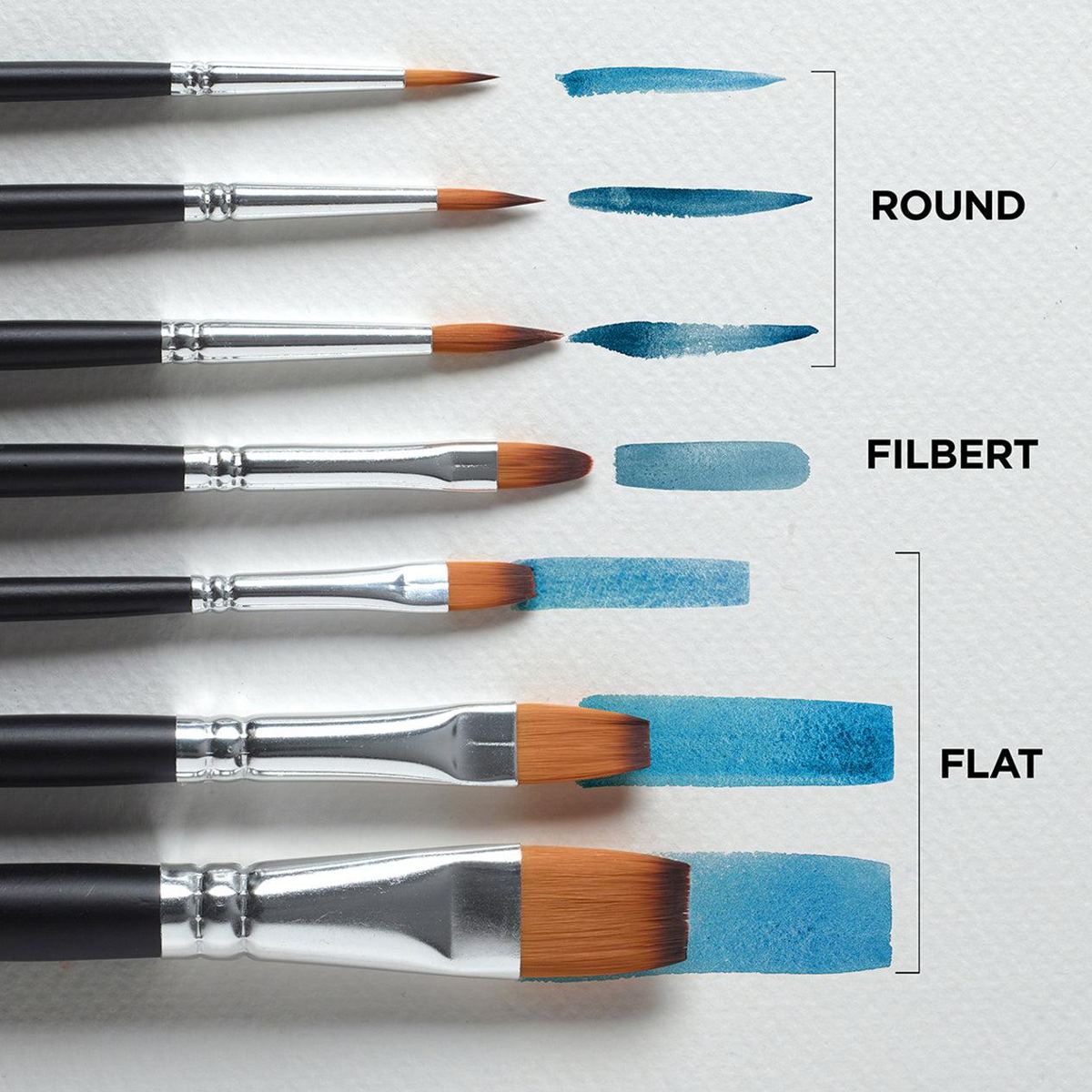
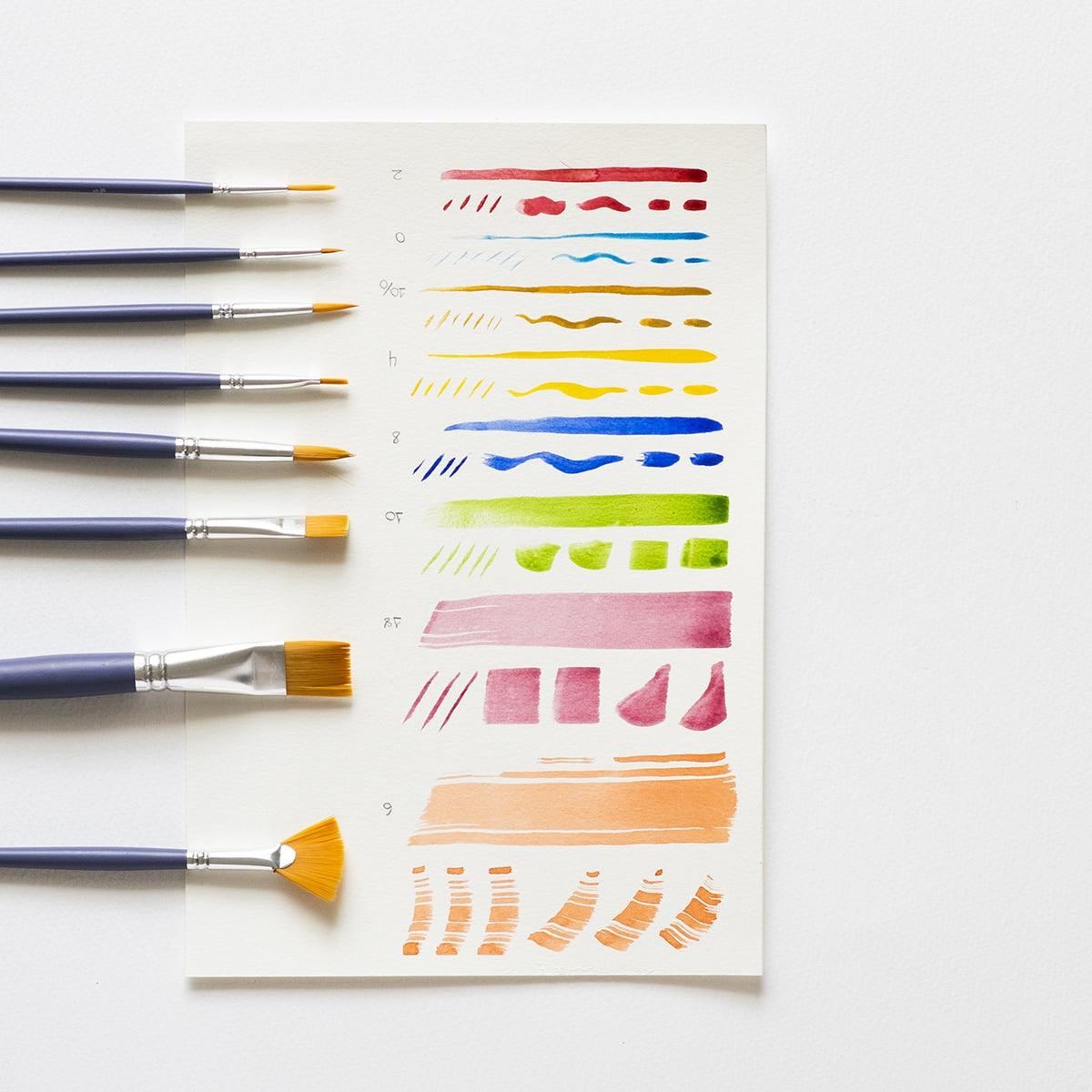
A beginner opens a watercolor set and sees a row of brushes. Which one is for a broad wash? Which can paint the edge of a leaf? Why does the smallest brush run out of paint halfway through a line? These are practical questions, and they are more useful than asking how many brushes the pack contains. An early purchasing decision follows from them. Before choosing a 6-, 12- or 24-piece assortment, define the first painting exercise the customer will attempt. If the kit promises a small landscape on A5 paper, the brush selection should let the user wet a moderate area, paint a recognizable shape and add a short fine detail. Request samples of the actual proposed set and try that exercise with the paint and paper intended for the kit. The specification can then describe a working assortment instead of a number on a box. For an OEM or private label order, this is also the point to set a decision gate: identify the target user's task, select only the brush roles needed for it, and agree which sample marks will show that the proposed set is ready for packaging approval. A supplier quotation is meaningful only when it describes the same brush shapes, head dimensions and pack configuration that the buyer tested. This guide is for people choosing their first brushes and for retailers, school suppliers and kit buyers who must decide which brushes deserve a place in a beginner set. It focuses on observable handling. A brush that works well for one painter or one paper size will not automatically suit every user. For a simple beginner exercise, start by considering a medium pointed round. Its belly can carry enough diluted color for a small area, while its tip can make a narrower mark when the user reduces pressure. A flat brush can help with straight-edged washes or larger blocks of color. A smaller round or liner may help with short details, but a tiny brush is not automatically a better detail brush: if its point is poor or its belly carries little liquid, it may force repeated reloading. For postcard-size illustrations, one versatile round plus a smaller detail option may be enough. A kit that teaches larger washes may need a broader brush. Classroom sets should match the lesson plan and make each brush's role clear. Do not infer the actual painted width from a printed size number. Brush numbering varies across designs. Ask for the head width or diameter, exposed hair length and overall brush length, and compare physical samples. A picture showing the brush beside a ruler can help online shoppers understand scale, but the approved sample should remain the purchasing reference. Make three marks with each candidate brush on the same paper: a short even wash, a filled shape with a controlled edge and a narrow line. Use the same watercolor mixture and a similar loading method. Note which brush lets a new painter complete the task without constant reloading or unintended flooding. This trial is intentionally simple; it does not claim to be a standardized performance test. For purchasing teams, the result can become a compact set map: “brush A for a modest wash, brush B for a shape, brush C for a fine line.” If two brushes serve the same purpose and produce no clear benefit in the proposed exercise, decide whether both are needed. If no brush can complete the wash, the answer may be a different head size rather than a larger count. A brush must take up diluted paint and release it at a useful rate. Too little liquid may interrupt a wash; too much may leave a puddle when the user touches the tip to paper. Both the brush and the painter's loading method affect the result. The same brush may behave differently with another paper or paint mixture, so hold those conditions steady when comparing samples. Load the brush, touch it to the palette rim and paint a defined area. Observe wash continuity, tip droplets and ease of control. Repeat with another brush of the same stated size from a different carton to check consistency. Water capacity is not the only aim. A very soft brush may carry plenty of liquid but feel difficult to guide for crisp shapes. A firmer point can make a line easier to place but may hold less water. The set should balance these behaviors against the user's first projects. Describe the intended handling in the brief and verify it with sample marks; avoid promising that a fiber label alone guarantees a particular result. Wet the brush, paint several strokes and rinse it. Does a pointed round return to a usable tip when gently reshaped? Do the hairs fan out unpredictably? Test more than one brush per size. A single attractive sample cannot show how consistent a packed set will be. Inspect the junction between the hair bundle, ferrule and handle. Check for a loose head, rough edges or visible gaps. Rinse and paint repeatedly, then record any shedding. One stray hair does not establish a production defect, but recurring loss across a sample group deserves investigation. For a school pack, also consider whether the handle length and grip suit the intended age group; avoid assigning an age claim without the relevant product review. After the trial, rinse until clear water no longer carries visible paint, reshape the head and let it dry according to the supplier's instructions. Check whether residual pigment remains near the ferrule and whether the packaging permits a brush to dry before storage. A reusable case is useful only if it protects the tips and does not encourage users to close wet brushes inside it. Compare the actual set with the printed image and count. Are brush shapes, sizes and accessories correctly named? Is a brush shown on the pack actually in the carton? If the box calls the set “watercolor brushes,” its illustrated techniques and included paper should make sense together. Request clear, limited instructions, such as which brush to try first and how to remove excess water. There is no universal count. A useful set covers the promised activities without confusing the user. One multipurpose round can support a first exercise; additional brushes should each have a distinct wash or detail role. Before increasing the count, ask what new task a brush enables, whether a beginner will know when to use it and whether the format can be replenished. If unclear, improve the core brushes and instructions first. The Reddit discussion that prompted this article shows people describing different preferred shapes and sizes. That is useful evidence of the question beginners ask, not proof that one set configuration dominates a market. Do not turn personal recommendations into sales forecasts or a universal specification. Use a simple worksheet so procurement, quality control and marketing can discuss the same evidence. Identify each sample by code rather than judging a loose brush without its SKU. Prepare a consistent paint mixture, paper type, paper size and water-loading step. Test at least the intended wash, shape and line. Then rinse, reshape and inspect the brush. Repeat across different brushes and cartons when samples are available. Keep photographs of the trial sheets and the approved physical samples. If a result matters for acceptance, agree the method, sample size and tolerance with the supplier before placing the order. A worksheet is a purchasing aid, not a laboratory certificate or a substitute for applicable safety and labeling review. For an OEM program, ask the supplier to label each sample with its proposed SKU, brush role, component specification and revision date. When a revised sample arrives, repeat the same three-mark trial instead of approving it because it looks similar in a photo. Record who approved the physical sample and which artwork version describes it. This gives a buyer a traceable bridge from user task to production reference, especially when the retail package combines brushes, paint and paper. Position the pack around a specific wash, shape and detail exercise. Shelf copy should identify the brush shapes and suitable paper size. Avoid unsupported performance promises; if several sets overlap, give each a clear role. Match the brushes to the lesson, paper and cleanup routine. Trial the actual paint and paper, then observe whether new users can complete the exercise with the included instructions. Record issues without treating a small trial as a general durability statistic. Freeze the brush shapes, head dimensions, handle and ferrule details, count, packaging and sample reference before approving artwork. Confirm what the supplier can reproduce for a repeat order and whether individual brush formats can be replaced or reordered. If a paint or paper component is included, test the complete kit rather than approving each component in isolation. Claims about children, material composition or compliance require separate documentation for the destination market. Before paying for custom packaging, ask which changes are genuinely available for the proposed brush SKU: logo placement, handle finish, brush mix, insert card, case and outer carton. Request a written description of how each choice affects the sample, minimum order quantity, unit price and lead time. Do not assume the terms from another product carry over. The buyer can then compare a standard set, a changed brush mix and a fully customized pack against the same intended painting task. Send the intended user, painting task, sheet size and target channel with the RFQ. List each brush's role, shape, dimensions, handle material, ferrule finish, packing method and required accessories. Ask for current samples and a written specification tied to the proposed SKU. Include the sample-test method and the acceptance observations you plan to use. Request the final carton and label artwork before production approval. For a bulk decision, make the RFQ comparable across revisions. Ask the supplier to quote the exact set configuration, quantity bands, sample cost and shipping arrangement, artwork or tooling charges if applicable, packaging dimensions, production lead time after sample approval and reorder conditions. Identify any components supplied separately and any substitutions that require written approval. Prices and timing should come from the supplier's current quote; this article does not state a universal H&B MOQ or lead time for brush sets. The brief should say what happens if a sample fails. If the round loses its point, request another sample and rerun the test. If the packed set differs from the approved sample, document the change before shipment approval. Set the production approval sequence explicitly: approve the brush functions on real paper, approve the physical component sample, approve the final packing sample and printed claims, then authorize the bulk configuration. Keep the signed or dated reference sample available for pre-shipment comparison and later reorders. If the factory proposes a material or size change, return to the relevant test rather than treating the revision as a cosmetic update. H&B Art publishes a 12-Piece Nylon Paint Brush Set and describes OEM and private label supply on its website. That gives a buyer a concrete starting point for an inquiry: name the existing set or request a different brush mix, then ask H&B to identify the current SKU, actual head dimensions, available customization and a physical sample. The public product page is a lead to verify, not proof that the brushes will perform as this guide describes. A useful first message can be brief: “We are evaluating a beginner watercolor kit for [channel and market]. Users will paint [task] on [paper size]. Please propose a brush mix, provide the exact component specifications and current sample options, and quote the intended quantity and packaging.” Attach the three-mark test sheet or describe its conditions. This gives H&B a specific question to answer and gives your team an objective basis for deciding whether to request a revised sample or a formal quote. For a beginner, the best set gives each brush a clear job. For a buyer, choose the configuration that passes a documented trial with the paper and paint the customer will use. Explain the first three marks and basic care on the product page or insert. If you are specifying a retail or classroom set, send the planned exercise, paper size, quantity and destination market with your sample request. Ask for current brush samples and the exact component specification before confirming the assortment. The next step is a sample and a quote tied to that sample, not a generic claim that every brush size belongs in every beginner pack. Use these current formats as starting points for a sample request. Confirm each proposed SKU and brush mix against the painting task before ordering. Planning a beginner watercolor brush set? Send your painting task, brush mix, quantity, destination market and packaging requirements with your sample request.What Does a Beginner Need a Brush Set to Do?
Key Takeaways
Which Brush Shapes Cover the First Exercises?
A Three-Mark Trial for End Users
How Do You Judge Water Holding and Control?
What Should You Check Beyond the First Stroke?
Point and Shape Recovery
Ferrule, Handle and Shedding
Cleaning and Storage
Packaging Accuracy
How Many Brushes Belong in a Beginner Set?
A Repeatable Sample Test for Buyers
Check
What to Record
Why It Helps a Buyer
Brush identity
SKU, shape, stated size, measured head dimensions and carton
Prevents confusion between similar brushes
Wash
Area covered before reloading and visible pooling
Tests the exercise promised to users
Controlled shape
Edge quality and ease of changing stroke width
Shows whether the brush can do more than one mark
Fine line
Continuity and tip behavior after several strokes
Tests detail use without relying on the size number
After rinsing
Point recovery, shedding and loose components
Captures problems that the first stroke may miss
Packing
Count, labels, tip protection and instructions
Connects the test to the retail experience
How Should Retail, School and Private Label Buyers Decide?
Retail Assortments
Classroom Packs
Private Label Sets
What Should Go Into the RFQ and Approval Record?
Why Request a Sample From H&B Art?
Make the First Painting Easier
Explore Brush Set Formats
 12-Piece Nylon Paint Brush Set
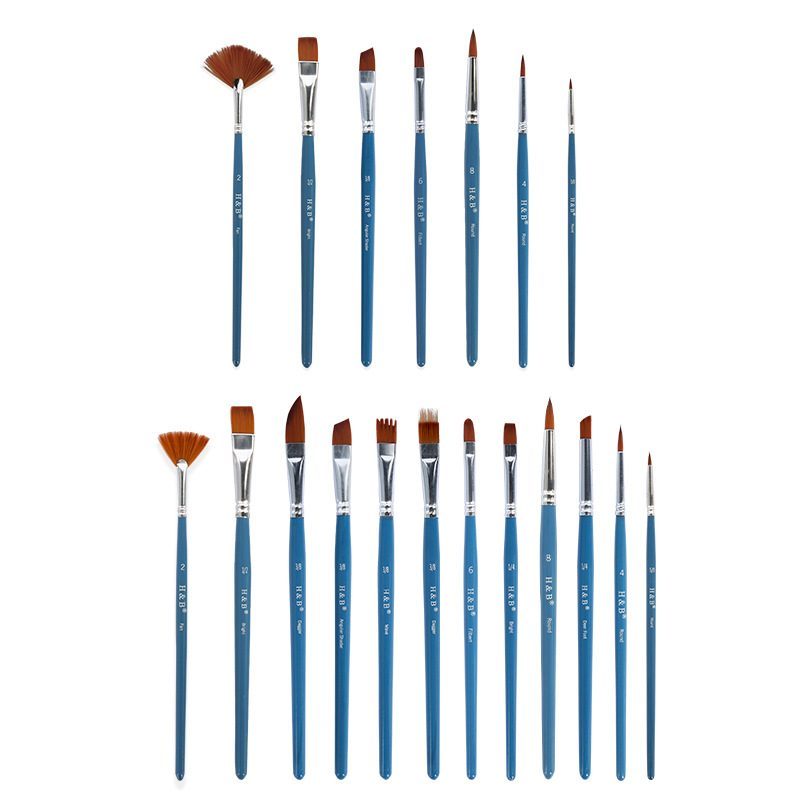 7/12-Piece Assorted Nylon Brush Set
 12-Piece Bristle Detailing Brush Set
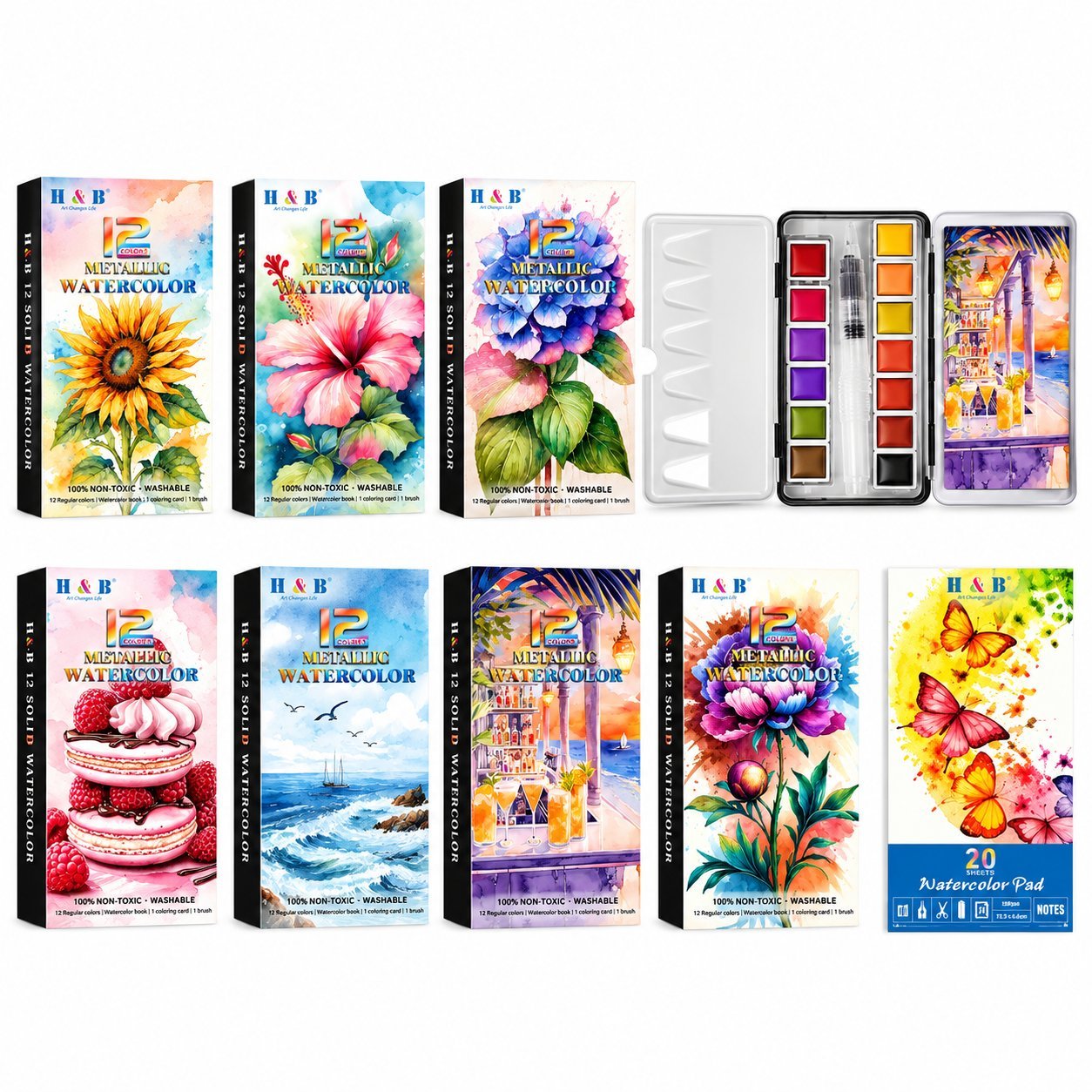 12-Color Watercolor Set with Water Brush
 24-Piece Watercolor Paint Set
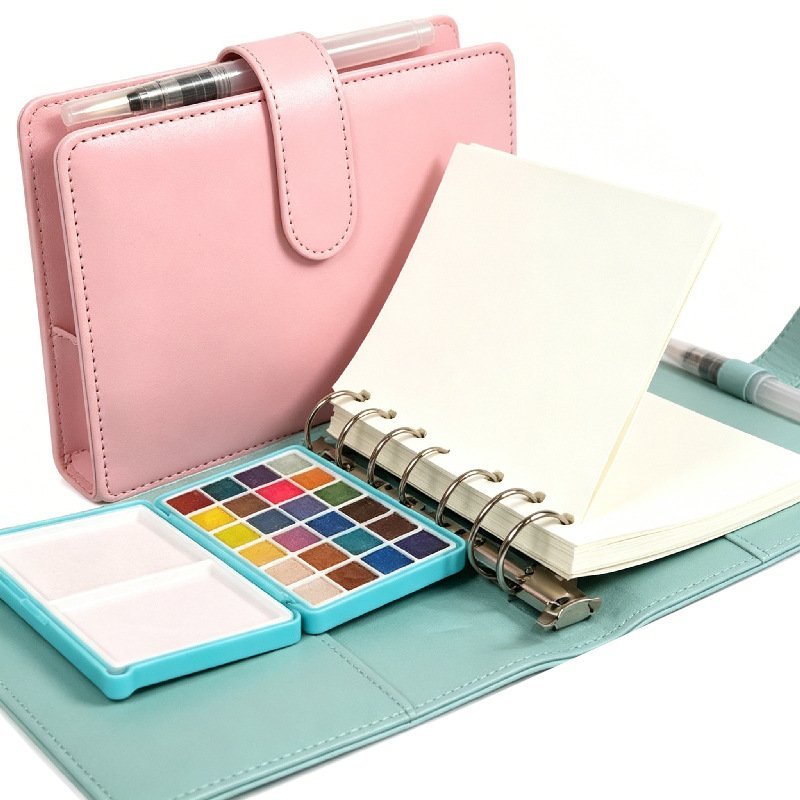 24-Color Pearlescent Watercolor Set with Paper