MOQ & Lead Time for Art Supplies: What Buyers Must Know
Two numbers decide whether an art supplies program is viable before a single unit is produced: the minimum order quantity and the lead time. Buyers who understand how each one is built — rather than only the figure a supplier quotes — can negotiate both, and can see in advance where a program will stall. This guide breaks down what MOQ actually covers in this category, how lead time accumulates across sampling, components, production and packing, and which decisions reliably move both numbers in the buyer's favor.
What MOQ actually covers in art supplies
Minimum order quantity is often treated as one number, but in art supplies it is usually a stack of three thresholds that apply together. A program is only viable when the order clears all of them.
| Threshold | What sets it | Buyer lever |
|---|---|---|
| Product MOQ | Batch size on the pencil, paint or marker line, and minimum runs for a specific color or formulation | Choose an existing color count or assortment rather than a new one |
| Packaging MOQ | Print run and tooling for tins, folding cartons and inserts | Use a stock structure with printed artwork instead of a new mold |
| Component MOQ | Third-party bought-in items such as sharpeners, erasers, palettes or cases | Standardize the accessory list instead of specifying unique parts |
This is why two quotations for what looks like the same set can differ by a wide margin. One supplier is quoting an existing configuration pulled from its standard range; the other is quoting a new color assortment in a new tin with a custom insert and a non-standard sharpener. Both quotations are correct — they describe different amounts of new work.
How lead time is actually built
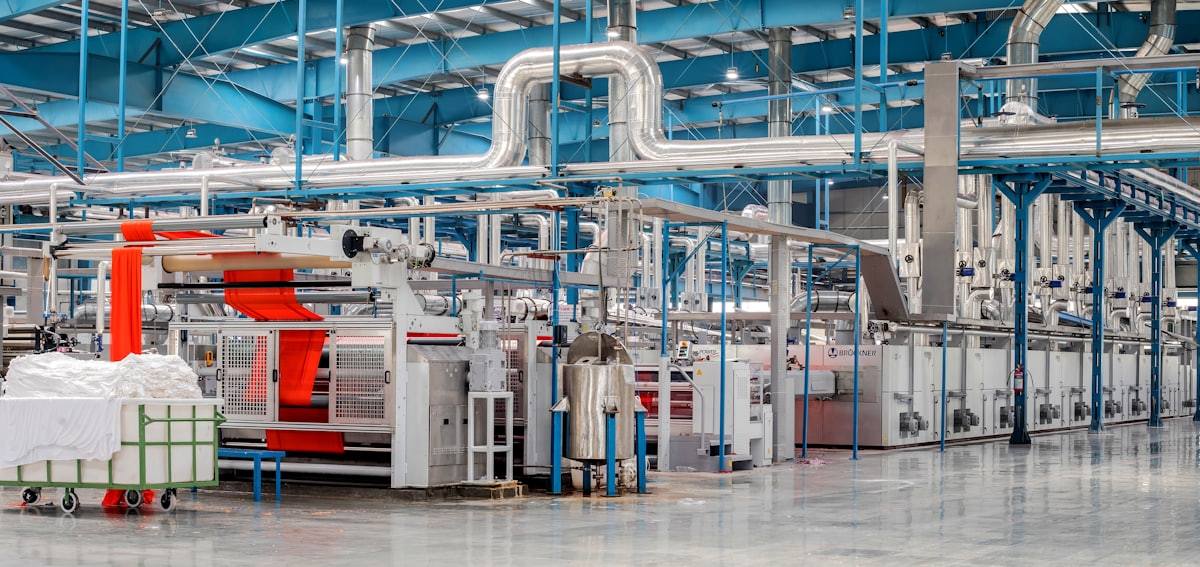
Quoted lead time is an output, not an input. It accumulates across six stages, and the buyer controls the length of three of them.
| Stage | What happens | Who controls the pace |
|---|---|---|
| 1. Specification and sampling | Artwork, structure and component list are defined; samples are produced and revised | Buyer — approval rounds are the most common delay |
| 2. Sample approval | The reference sample is signed and locked as the production standard | Buyer |
| 3. Material and component procurement | Pigments, barrels, tins, trays and inserts are sourced against the approved spec | Shared — depends on whether materials are stock or custom |
| 4. Production | Manufacturing of the core product runs against the approved sample | Supplier |
| 5. Kitting and packing | Components are assembled into finished sets and cartoned | Supplier |
| 6. Inspection and shipment preparation | Final inspection, documentation and booking | Shared |
In practice, buyers who plan for review cycles instead of assuming a single approval round are the ones whose orders ship on schedule. Each artwork revision, each sample change and each late compliance question adds days to stage one and stage two, and those days move the entire schedule behind them.
Where the calendar actually slips
- Artwork approvals: repeated rounds on tin lid print or instruction sheets.
- Sample revisions: changing a component after the sample was signed resets the reference.
- Compliance questions: destination-market labeling decided late in the process.
- Peak-season congestion: production slots fill ahead of gift season, and late orders queue behind earlier bookings.

What reliably reduces MOQ and lead time
Configure inside the existing range
Choosing an existing color count, an existing barrel finish and an existing packaging structure removes new tooling from the program entirely. The branded elements — lid artwork, color chart, instruction sheet and language panels — still change, which is enough to create a distinct product for most channels.
Standardize the accessory list
Sharpeners, erasers and palettes are typically bought in. Every non-standard accessory adds its own minimum and its own procurement lead time. Standardizing accessories across a brand's SKUs also reduces the number of components that must be tracked in incoming inspection.
Print on stock packaging
A printed stock tin or carton avoids mold cost and shortens the packaging leg of the schedule. A custom mold is justified when the internal layout genuinely requires it — for example, a tray geometry that no stock tin can accommodate.
Split the launch
For a first private label program, a smaller opening order on fewer SKUs plus a scheduled repeat is usually more efficient than spreading a minimum across many SKUs. It also produces real sell-through data before the larger commitment is placed.
What increases both numbers
Four decisions move MOQ and lead time upward, and buyers should know they are making them.
- Custom color formulation: a new pigment match typically requires its own batch and its own testing.
- New tooling: a custom tin mold, tray mold or die-cut structure adds both cost and schedule.
- Complex finishing: multiple print passes, foil stamping or embossing add setup steps per run.
- Market-specific packaging: multiple language versions of the same SKU multiply print runs and packing variants.
None of these are inherently wrong — they are what makes a premium or fully differentiated line possible. The mistake is treating them as free. Each one should be a deliberate trade against volume or timeline.

Planning a first order in the right sequence
Buyers who work backwards from the shelf tend to make better decisions than those who start from the supplier's price list.
- Target retail price for the intended channel and market.
- Target landed cost derived from that price and the channel's required margin.
- Configuration that fits the cost: color count, component list, packaging format.
- MOQ check against each of the three thresholds — product, packaging, components.
- Sampling with a defined number of approval rounds built into the schedule.
- Opening order sized to test sell-through, with a repeat already anticipated.
Booking around peak seasons
Gift season is the single largest scheduling risk in this category. Orders placed late compete for the same production and packing capacity as everyone else's, and packaging print runs are the first thing to queue. The practical rule is to complete specification and sample approval well ahead of the target ship date, so that production and packing are the only remaining stages by the time the season approaches. Buyers who enter the season still approving artwork are the ones who end up air-freighting sets.
How H&B handles MOQ and scheduling
H&B's standard wholesale programs begin at 500 sets per SKU across the pencil, paint and marker ranges. For OEM and private label programs, the minimum is negotiated according to packaging complexity, custom color formulation and branding requirements — which means the MOQ conversation happens at configuration stage, when it can still influence the design, rather than after the specification is fixed.
Shanghai Haobin Art & Cultural Supplies Co., Ltd. has been manufacturing art supplies since 2010 and exports to more than 60 countries, working with importers, distributors, retail chains and private-label brands. The company holds the certifications most frequently requested in this category — EN 71, ASTM D-4236, CE and BSCI — and operates as a manufacturer rather than a trading intermediary, so product specification, packaging development and scheduling are handled in one place.
For buyers, the practical consequence is a single schedule: sample approval, packaging approval and production planning are not handed between parties, which removes the coordination delays that usually appear when product and packaging come from different suppliers.
For buyers assessing an existing configuration before committing to custom packaging, compare a 24-color artist oil paint set with wholesale nylon bristle paint brushes. Both provide practical references for product configuration, packaging and approval planning.
Related products from the H&B range
Frequently asked questions
Can MOQ be lowered for a first order?
Often yes, and it is usually achieved through configuration rather than negotiation: choosing an existing color count, a stock tin or carton, and a standardized accessory list removes the new-tooling and custom-batch minimums that drive the number up. On standard wholesale programs, H&B's threshold begins at 500 sets per SKU.
How long does an OEM art supplies order take?
Lead time is quoted per project because it depends on specification, whether materials are stock or custom, and the season. What buyers can control is the front end of the schedule: completing artwork and sample approval early is the single most effective way to shorten total time to shipment.
Does packaging affect the minimum order?
Yes. Packaging carries its own print run and tooling minimums, so a custom molded tin typically raises the threshold above a printed stock tin with the same contents. For OEM and private label programs, packaging complexity is one of the factors used to set the negotiated minimum.
What should be confirmed before placing a first order?
The signed reference sample, the packaging artwork as it will be printed, the compliance labeling required for each destination market, the pack-out specification including master carton dimensions, and the delivery window — all confirmed ahead of the production booking rather than during it.
Planning your first order?
Send us your target configuration, packaging direction and destination market. Our team will confirm the applicable minimum, sampling plan and production window.
Send Inquiry Browse Products Contact Us