Planning a Branded Pencil Order Backwards From a Fixed Delivery Date
Illustrative planning scenario: A buyer needs a branded pencil set ready for a fixed retail launch. The buyer has a target date but has not yet approved the pencil specification, packaging artwork or shipping plan. This article shows how to work backwards from that date. It is a decision exercise, not a record of a customer order, production run or delivered shipment.
Define What “Ready” Means
A launch date can mean goods arriving at a distribution center, reaching store shelves or leaving the supplier’s facility. These are different milestones. The buyer should state the required location, the last acceptable receipt date and any warehouse or retail preparation time. Before discussing production, confirm which party is responsible for freight, customs clearance and final delivery under the agreed trade term. The ICC Incoterms 2020 rules provide the framework for that handover.
Build the Calendar Backwards
Start with the required receipt date and subtract the steps that must finish before it: transit and clearance, final inspection, packing, production, approved sample and printed artwork. Ask each responsible party for a written estimate and its assumptions. A useful schedule has dates, owners and decision gates, not only a single “lead time” number.
| Gate | Question to Resolve | Evidence |
|---|---|---|
| Receipt | Where must the goods be, and by when? | Named destination and receiving deadline. |
| Freight | Which route and trade term apply? | Forwarder quote and delivery assumptions. |
| Inspection | What defects are acceptable? | Approved sample and written inspection criteria. |
| Production | Which capacity slot is available? | Supplier schedule for the exact configuration. |
| Sampling | What must be approved before production? | Physical pencil, print and packaging proofs. |
Do not take a generic number from a catalog and use it as a commitment for a customized order. The calendar changes when the core, barrel, logo application, set contents or packaging differs from a stock format. Ask the supplier to identify the first date at which the specification can be frozen.
Decide Which Specification Is Already Approved
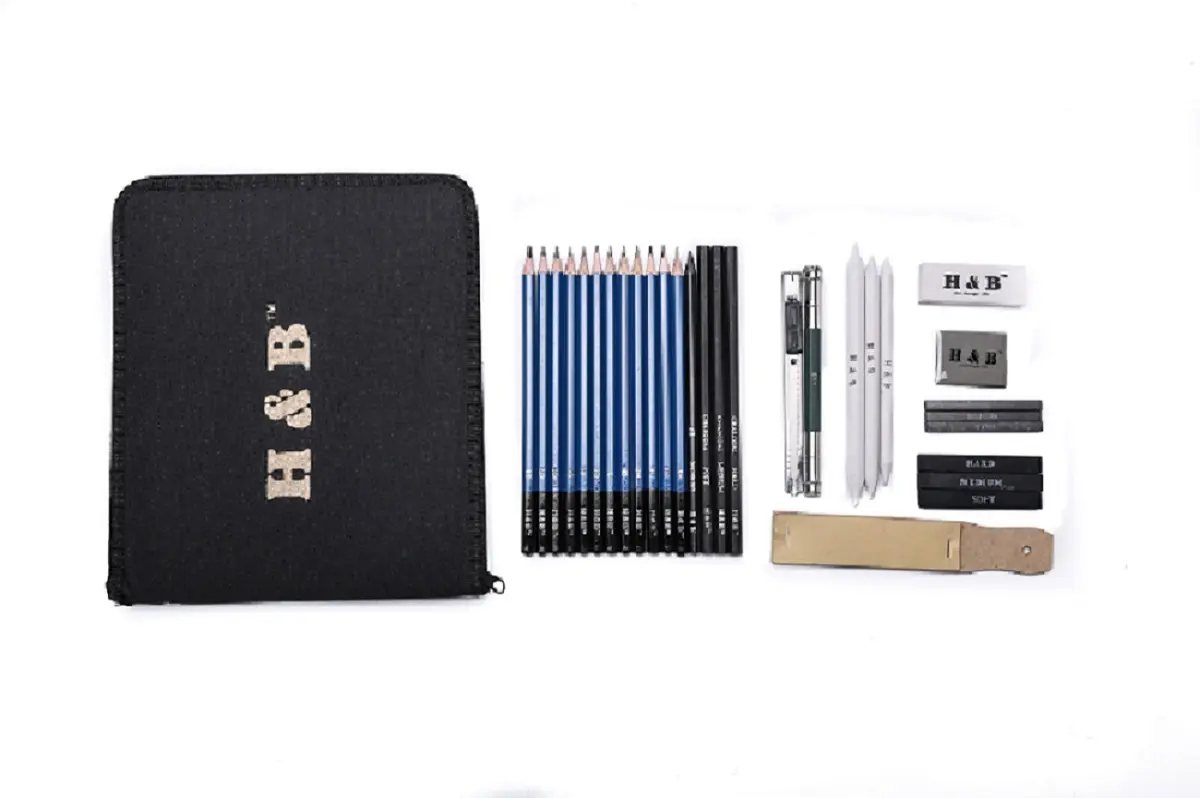
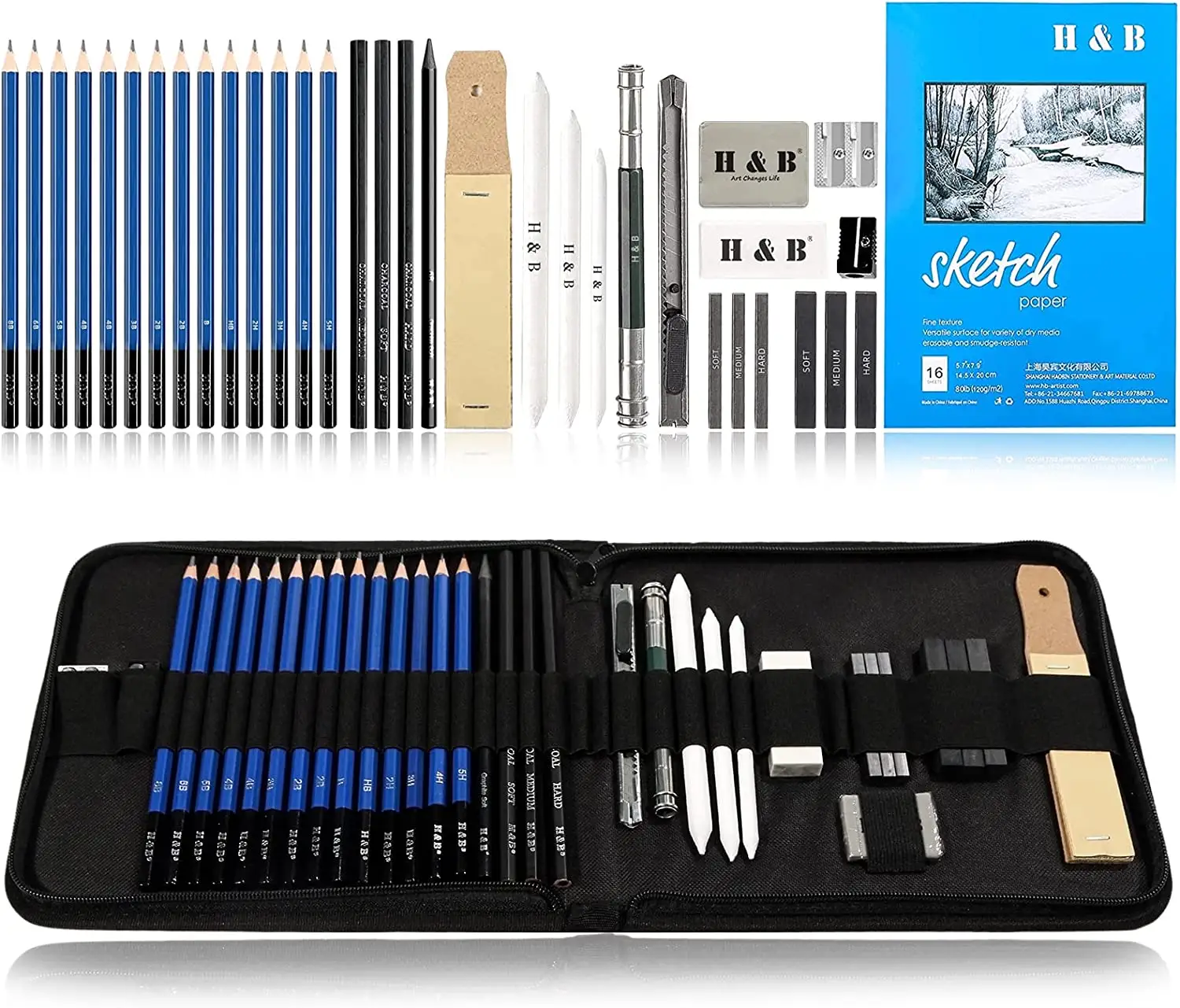
Have the buyer name the pencil grade or color range, barrel shape, logo method, pack contents and destination labels. If the only open point is a printed logo on an existing set, the approval path may be shorter than a fully new configuration. If colors, core dimensions or packaging tooling change, expect more testing and proofing. These are planning distinctions; only the actual supplier can confirm capacity and dates for the chosen SKU.
Put Artwork on the Critical Path
A branded set may need barrel printing, a color chart, box graphics and a master carton label. The buyer should supply vector artwork, brand color references, language requirements and a contact who can sign off a final proof. Ask how many proof rounds are included and when the print file becomes locked. A late copy change can affect plates, labels and production even when the pencils themselves are available.
Check Market Documents Before the Box Is Printed
Confirm intended age group, product classification and destination markets before using safety or compliance statements. In the United States, CPSC guidance explains ASTM D4236 assessment and labeling for art materials. In the EU, toy safety obligations apply where the set is classified as a toy. Ask for SKU-specific documents and final label review; a generic statement about a supplier’s other products is not enough.
Make the Schedule Resilient
Identify the decisions most likely to move the date: a missing logo file, a color change after sample signoff, a failed packaging test or a revised receiving requirement. Assign an owner and a latest decision date to each. Keep an alternate configuration only if the user promise still works. For example, a stock case may be acceptable for a classroom set, but it may fail a premium gift brief. A faster option is useful only when it meets the actual use case.
What to Send With the RFQ
- Required receipt location and date, plus the agreed trade term or requested quote basis.
- Target user, intended age group, market and quantity range.
- Pencil type, grade or color list, core and barrel specifications.
- Logo file, decoration method, packaging size and labeling languages.
- Approved or target sample, inspection criteria and document requests.
- Named decision maker and dates for sample, artwork and purchase order approval.
Ask the supplier to return a critical-path calendar with the assumptions written beside each stage. If the requested date is not feasible, ask which specification or logistics choice changes the schedule and what the buyer gives up in the user experience. Record the revised option in the quotation before committing.
Related Pencil Set Formats
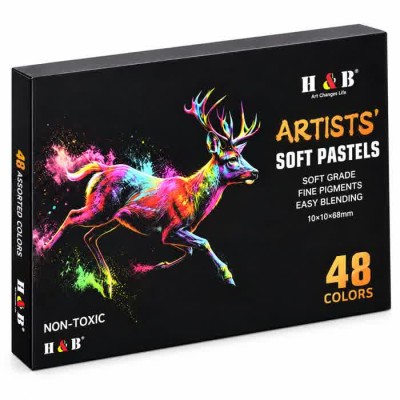
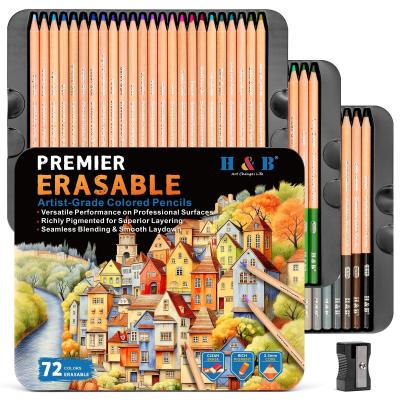
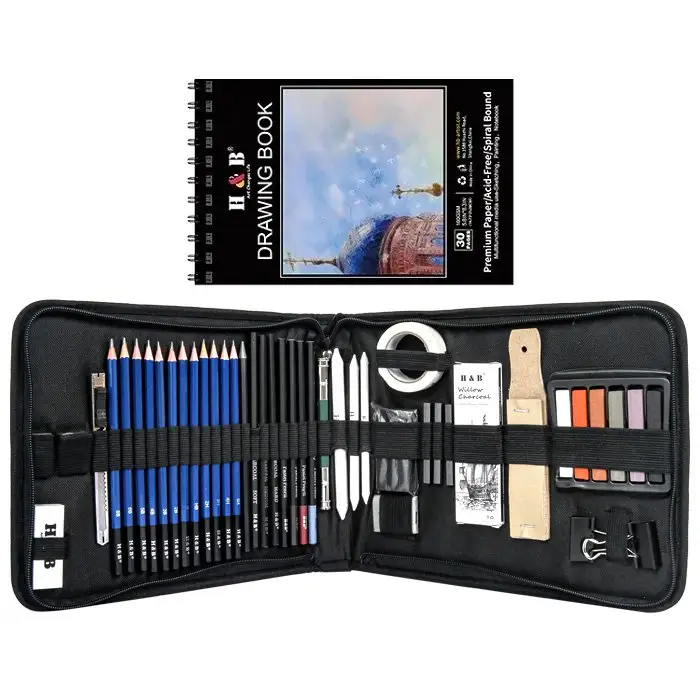
These pages illustrate possible starting configurations. They do not establish a delivery date for a customized order.