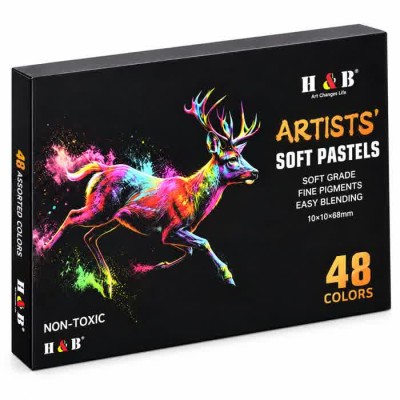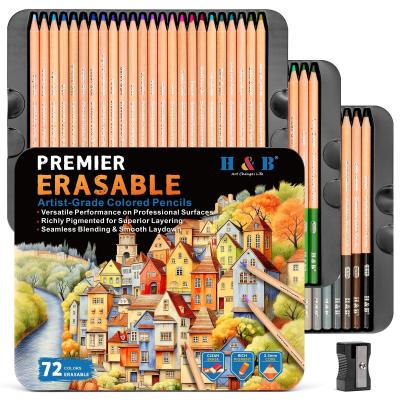
Soft Pastels vs Oil Pastels: How to Choose for Drawing and Teaching
Soft pastels and oil pastels invite different ways of working. A soft pastel can lay down a powdery, easily blended mark; an oil pastel usually feels denser and waxier. The useful question for a beginner is what sort of surface and finish they want. For a buyer, the question is whether the set, paper and handling instructions will help that user succeed.
What Changes on the Paper?
Soft pastel marks can be spread with a finger, stump or another stick, leaving a dry surface that may transfer when touched. Oil pastels tend to make a more cohesive mark and can be layered or pressed into the paper. The amount of dust, softness and coverage varies by formulation, so test actual samples. Avoid defining every product in a category by one box.
| Consideration | Soft Pastel | Oil Pastel |
|---|---|---|
| Typical feel | Dry and powdery | Denser, with a wax and oil feel |
| Paper | Toothed or pastel paper helps hold layers | Paper with some tooth supports layering; heavier paper can help with pressure |
| Blending | Light spreading and optical layering | Layering, pressure and controlled smudging |
| Handling | Loose pigment can transfer | Surface may still smudge, depending on the product |
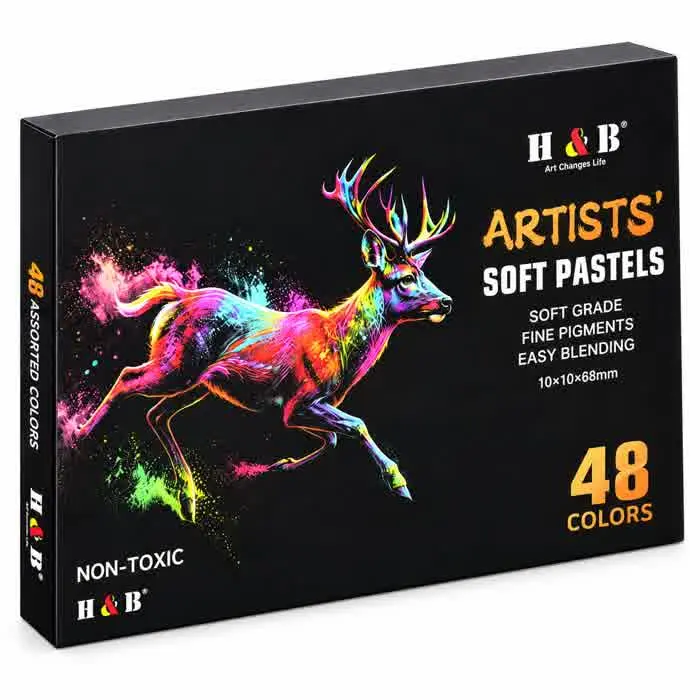
Choose by the Work the User Wants to Make
A student who wants soft atmospheric transitions, fast color studies and a matte surface may enjoy soft pastels. A child or beginner who wants bold marks with less loose powder may prefer an oil pastel set, provided the set is appropriate for the intended age and market. A teacher may want separate packs because the paper, cleanup and storage instructions differ. A retailer can make the distinction clear with a dry swatch and a note on recommended paper beside each line.
For either medium, start with a small practical palette before selecting a very large color count. Include useful light, mid and dark values, not only many adjacent hues. Ask the end user to draw a simple sphere, a sky transition and a line detail; these three exercises reveal whether the set has the right range and handling.
How to Compare Supplier Samples
- Test each set on identical paper, under the same lighting and pressure.
- Make light marks, dense marks and two-color layers. Record coverage, crumbling or drag, and whether the paper tooth remains usable.
- Try a controlled blend and note how much color transfers to fingers, tools or adjacent pages.
- Check every stick for damage, color-code consistency and fit in its tray or box.
- Pack and move the set as a user would. Inspect breakage, dust transfer, lid security and the clarity of the instructions.
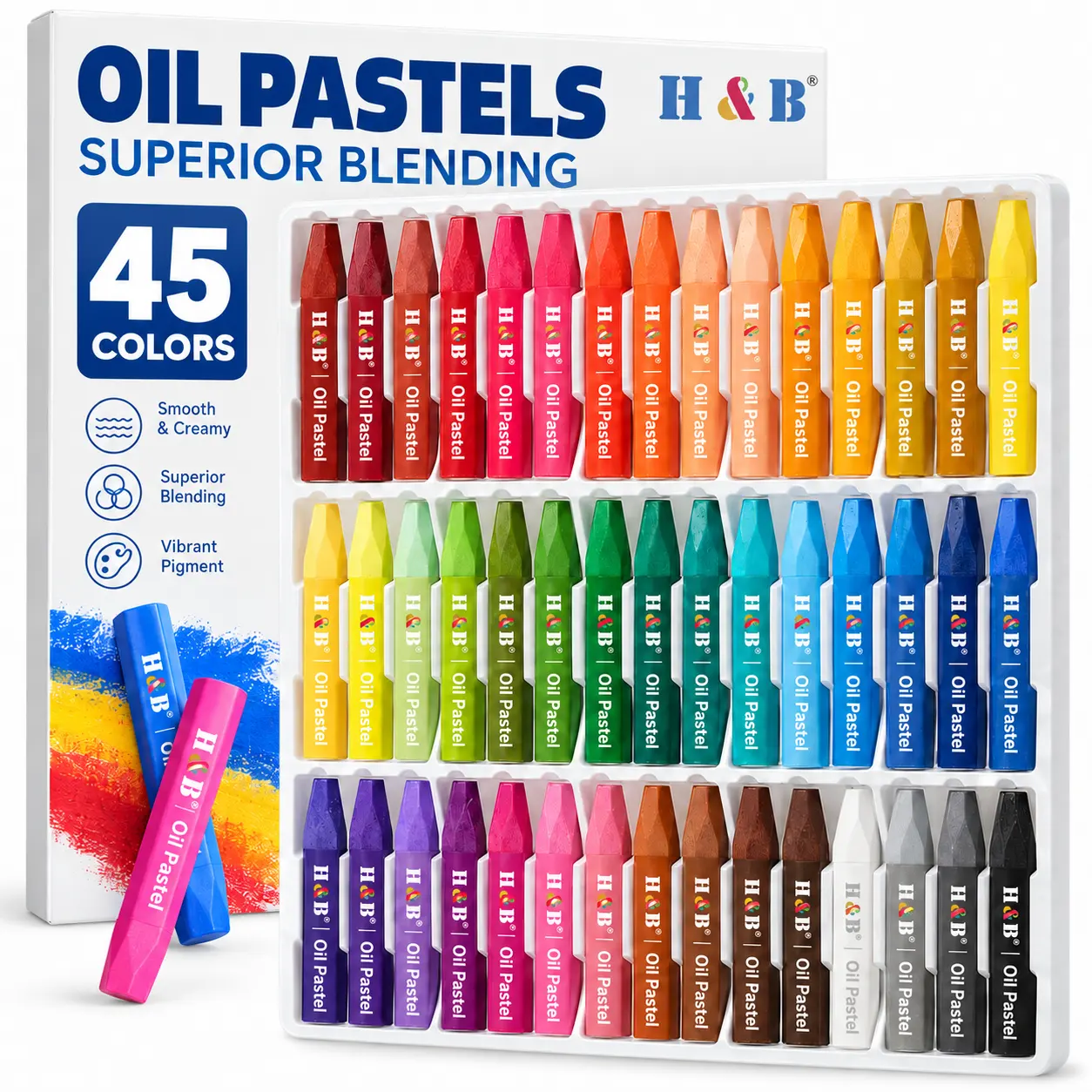
Lightfastness and Safety Claims Need Specific Evidence
Do not infer permanence from a category name, or assume that a finished pastel drawing is fixed simply because it looks dry. If a set advertises lightfastness, request the color-by-color results and the stated method. For display work, test storage and framing methods with the chosen product and surface. A fixative may alter the color or texture; follow the product maker’s guidance and trial it on a spare swatch.
For a set marketed to children, confirm the applicable safety and labeling framework for the destination market and the precise SKU. The U.S. CPSC art-material guidance describes ASTM D4236 toxicological assessment and labeling; EU toy rules depend on whether the product is classified as a toy. Avoid broad “non-toxic” or certification claims without documentation for the exact product.
Build a Clear Assortment
Choose soft pastels when the product promise is dry blending and painterly studies, and oil pastels when the promise is dense marks and direct layering. Give each line matching paper advice and handling instructions. In the purchase specification, list color codes, stick dimensions, pack layout, intended user, labeling language, carton protection and replacement options. Approve physical samples and retain them for later production checks.
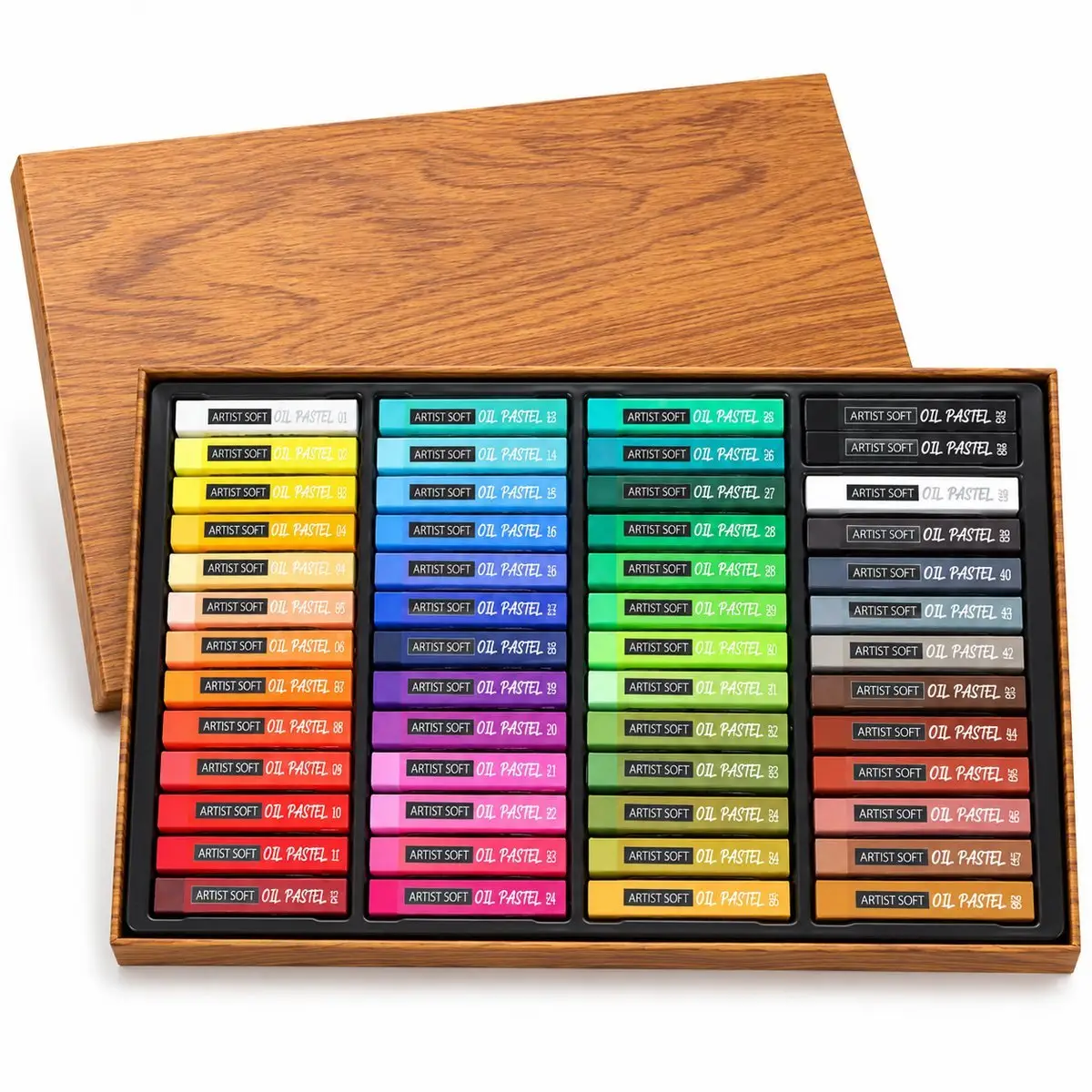
Related Pastel Set Formats
Use these product pages as format examples and verify the exact specification for the set you order.