Watercolor Pencils vs Colored Pencils: A Buyer's Guide to Building the Right Assortment
Colored pencils and watercolor pencils can look similar on a shelf, but they serve different creative needs. Standard colored pencils are chosen primarily for dry drawing, layering, and shading. Watercolor pencils can be used dry and then activated with water to create washes and blended effects. For a buyer, the useful question is not which type is better. It is which type your customers can use successfully, understand from the packaging, and buy again when they need more.
Quick buying decision

| Your customer and channel | Starting assortment | What to check before ordering |
|---|---|---|
| General drawing, school, or beginner programs | Start with a concise standard colored pencil range. Add watercolor pencils if the program includes water-based techniques. | Clear age and use instructions, consistent sharpening, practical color selection, and packaging suited to the channel. |
| Art and hobby retail | Consider both types when shoppers ask for dry drawing and wash techniques. | Distinct shelf labels, dry and wet swatches, suitable paper guidance, and replenishment options. |
| Private label kits | Choose the pencil type around the activity promised on the pack. | Whether a brush is included, whether paper is needed, language and artwork approval, and evidence for every performance or safety claim. |
These are starting points, not fixed set sizes. A smaller set of useful, repeatable colors may serve customers better than a larger set with closely overlapping shades. Ask which colors and pack formats can be reordered before committing to a broad launch.
What changes when water is added?
With a standard colored pencil, customers normally build color through dry marks and layers. A watercolor pencil adds a second workflow: the user can draw on suitable paper and move some of the color with a damp brush. The result depends on the pencil formulation, the paper, the amount of water, and how heavily the color was applied.
Do not promise that a watercolor pencil becomes waterproof after drying unless the exact product has been tested for that claim. When evaluating samples, let activated swatches dry fully, then try rewetting them and record any movement or bleeding. This gives your team a product-specific answer for instructions and packaging.
Build an assortment around the purchase occasion
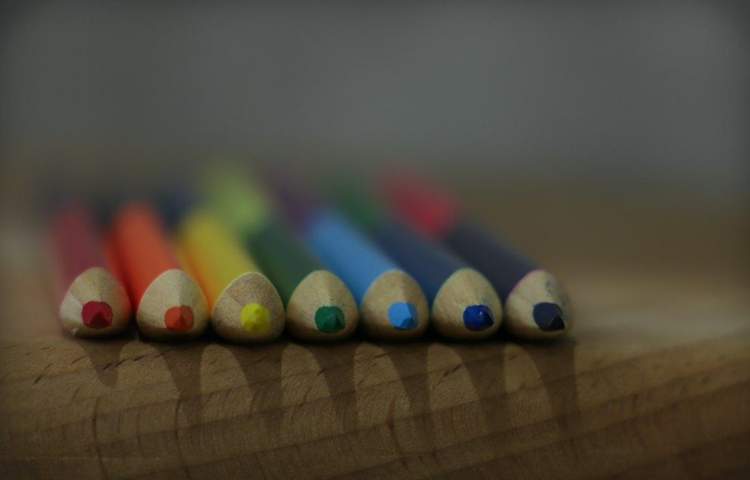
Before asking for quotations, write down who will use the set and what they expect to make. A beginner kit may need simple instructions and a manageable palette. A drawing-focused range may need dependable dry laydown and reliable replenishment of popular colors. A watercolor activity kit needs a clear explanation of the water step and the paper required to get the intended result.
For each proposed set, ask:
- What task does the end user expect to complete with this set?
- Does the pack make the dry or water-activated use clear at a glance?
- Are the included colors distinct and useful for that task?
- Can the same colors, set format, and packaging be reordered consistently?
- What is the total landed cost after accessories, packaging, freight, and expected replenishment are considered?
The answers help you decide whether to launch one type, both types, or a small trial assortment before expanding.
Use one sample scorecard for every candidate

Request samples from the exact product line and configuration you intend to buy. Test them on the same paper, using the same drawing area, application pattern, brush type, and measured water amount. Record the paper and test conditions so another person can repeat the assessment. These are suggested buying checks, not claims that any particular product has passed them.
| Check | How to assess it | Record or decision |
|---|---|---|
| Dry color | Make light, heavy, and layered marks on the same paper. | Color strength, coverage, visible scratching, and consistency across colors. |
| Sharpening and core strength | Sharpen several colors from more than one sample carton. | Breakage, point retention, and barrel finish defects. |
| Water activation (watercolor pencils) | Apply a measured amount of water to equal-sized swatches. Let them dry fully. | How evenly color moves, whether pencil lines remain, and final dried appearance. |
| Rewetting (watercolor pencils) | Rewet a fully dried swatch using a recorded method. | Whether color moves or bleeds; wording needed for instructions. |
| Color identification | Match the pencil mark to the printed color name or number and supplier chart. | Mismatches that would affect customer selection or repeat orders. |
| Pack and repeat order | Compare the sample to the proposed specification and reorder list. | Missing contents, unclear labels, unavailable colors, or format changes. |
Agree acceptance criteria before approving production. For example, define how many broken cores are acceptable in the agreed sample size, what packaging defects trigger a correction, and which color or activation differences require a new sample. Set those thresholds with your quality team for the intended market and price point; do not treat this article's checklist as a universal pass/fail standard.
What should go into the purchase specification?
Ask the supplier to confirm the pencil type; color names and codes; core and barrel dimensions; wood or barrel material; set contents; accessories; packaging structure; labeling languages; and available reorder formats. Keep an approved physical sample and color chart as the reference for production and incoming inspection. Specify which changes require written approval before shipment.
If a product is marketed with a lightfastness rating, request color-specific results, the test method, and the meaning of the rating. ASTM D6901-15(2021) is an active specification for artists' colored pencils covering composition, performance, labeling, and lightfastness. Mentioning this standard does not establish that a product complies with it; ask for evidence for the exact colors and SKUs being sold.
For children's products and regional sales, have the applicable safety and labeling requirements reviewed for the intended market before approving pack artwork. Use only claims supported by appropriate documentation. Do not put unsupported non-toxic, compliance, or performance statements on the pack solely because they appeared in a sample listing or a general catalog.
Before you place the order
A purchase-ready file should contain the approved physical samples, dry and activated color charts where relevant, the written specification, the completed sample scorecard, the agreed acceptance criteria, and support for every claim on the packaging. That gives purchasing, quality, and marketing teams the same reference when they approve the order and check later deliveries.
Explore colored pencil options
Compare product formats after using the buying checklist above.
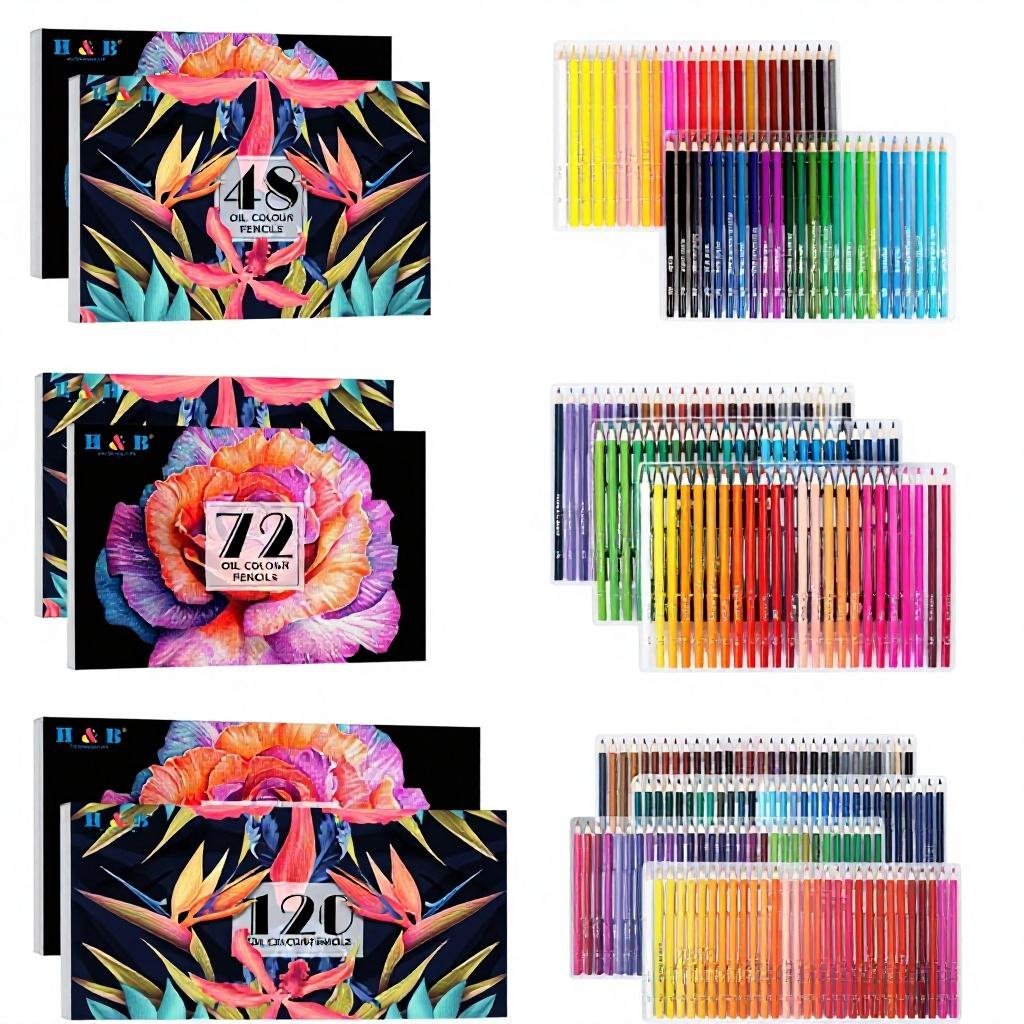 48 Color Artist-Grade Oil-Based Colored Pencil Set
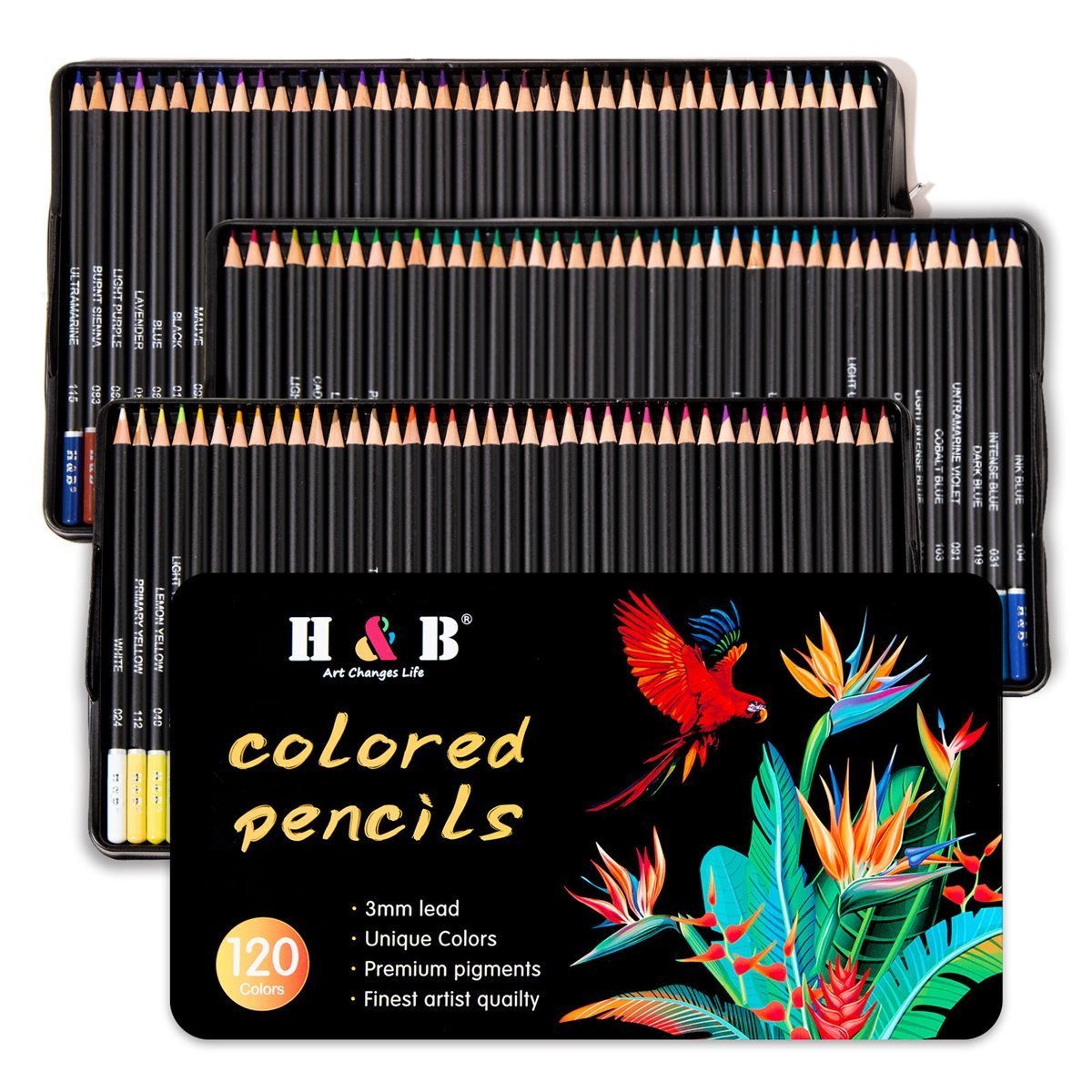 72 & 120 Color Water-Soluble Colored Pencil Sets in Tin Box
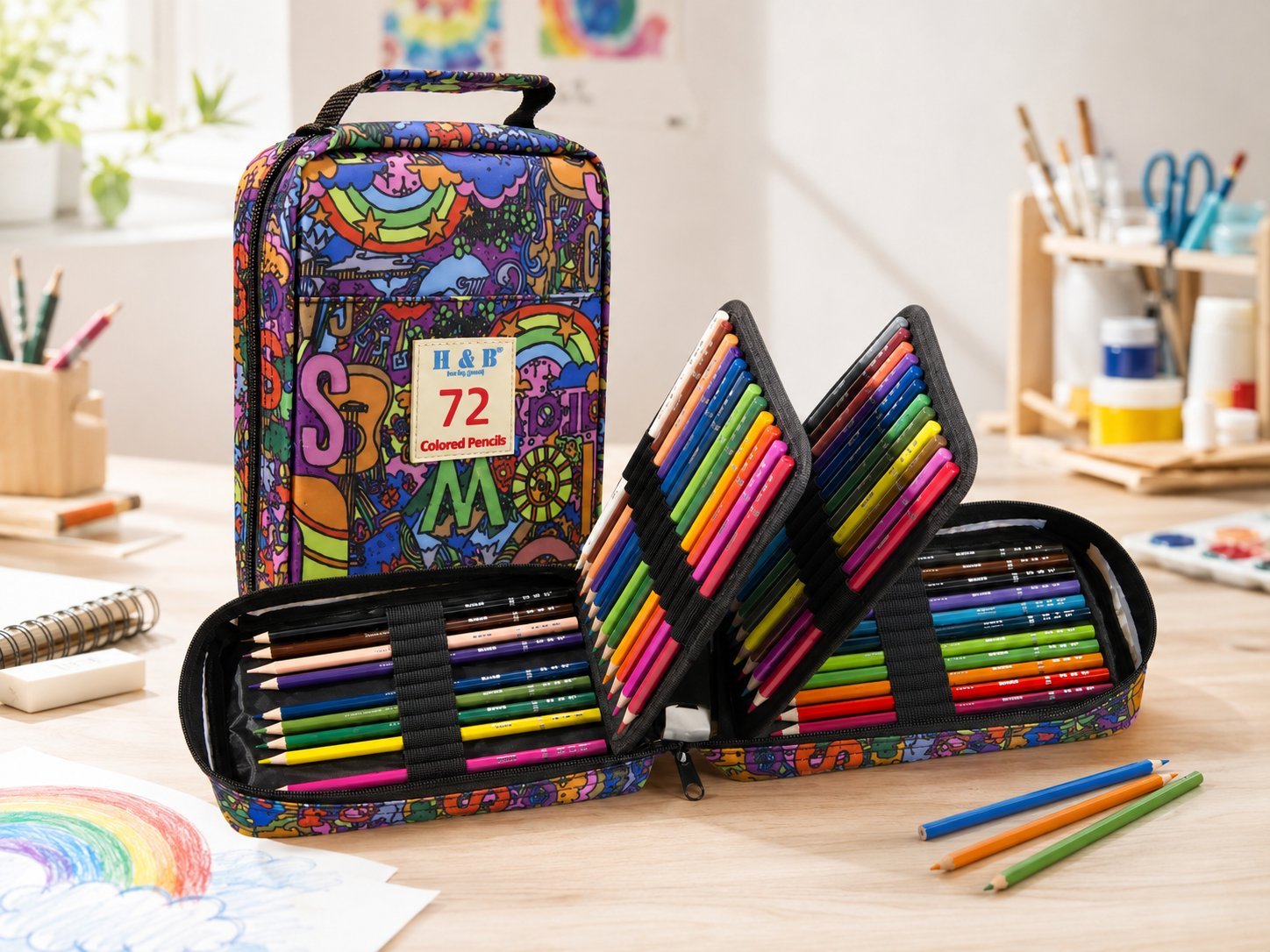 H&B 72-Color Oil-Based Colored Pencil Set
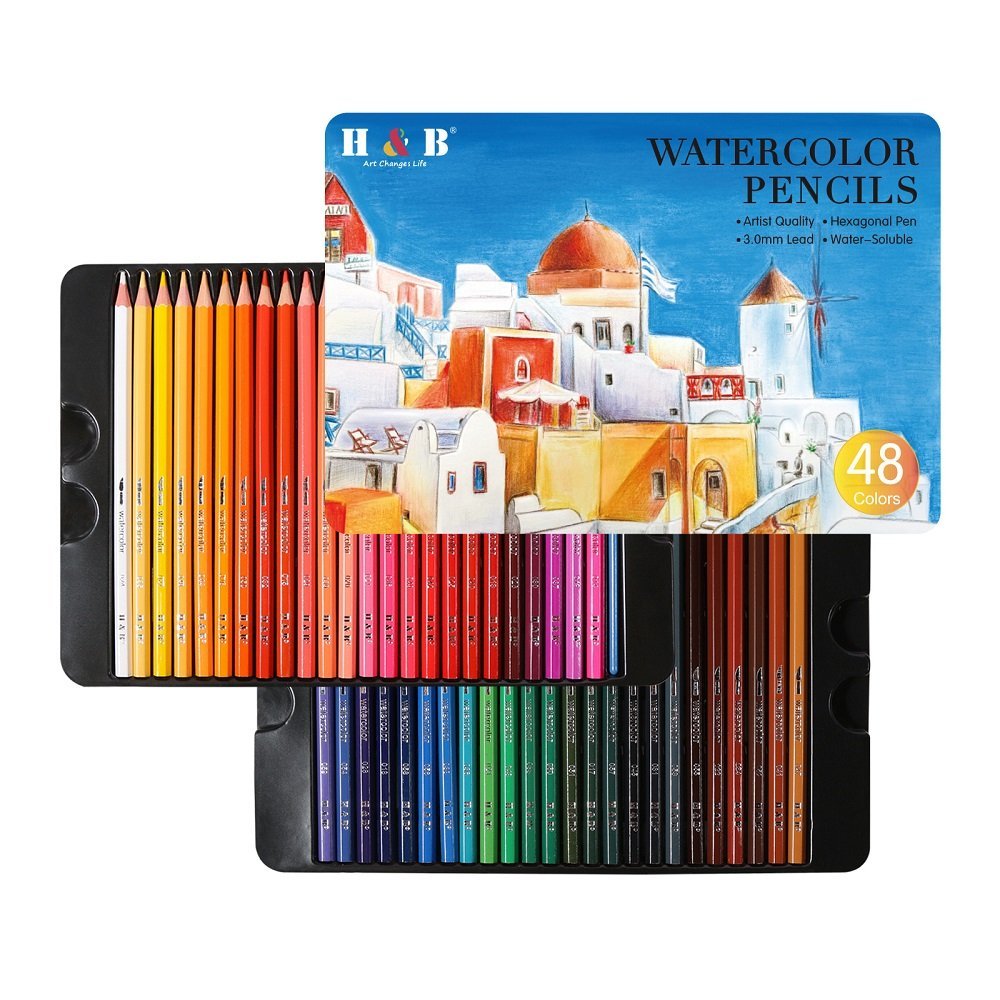 H&B 48-Color Water-Soluble Colored Pencil Set
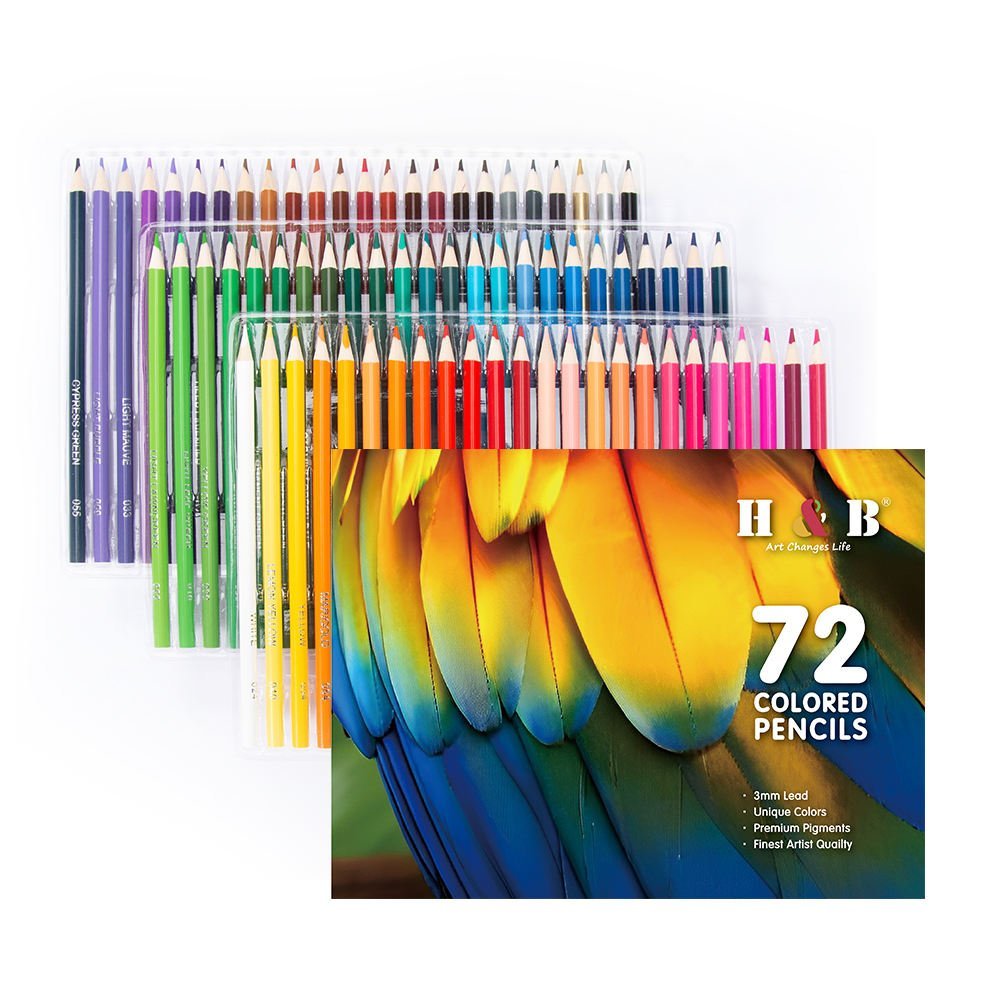 72/120 Color Oil-Based Colored Pencil Sets in PP Box
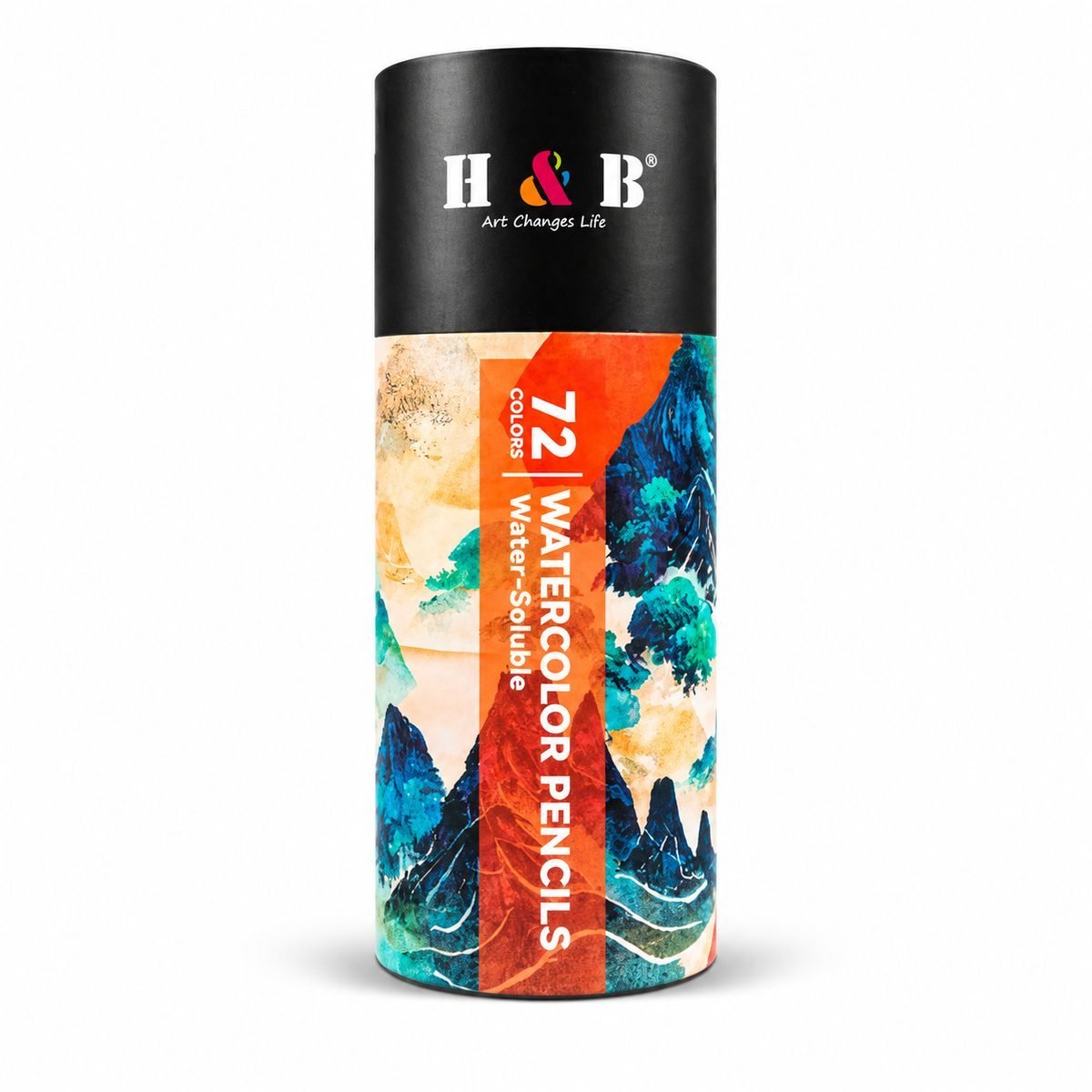 72-Color Water-Soluble Colored Pencil Set in Paper Tube