How to Write a Private-Label Art Supply Product Brief
A private-label art supply product brief is the document that turns a user need into a sample a manufacturer can quote and build. It should be short enough to use in an RFQ and specific enough to prevent different teams from imagining different products. Before choosing colors or packaging, define who will use the item and what they should be able to do with it.
Describe the User and the First Activity
Write a concrete use case. “A beginner can shade a simple drawing with a 24-color pencil set” is more useful than “premium pencils for all artists.” A school kit may need quick setup and durable storage; a gift kit may need an instruction card; a professional line may need replacement colors and color-specific lightfastness evidence. State the activity, time available and other materials the user already has.
Choose one primary audience for the first SKU. A product trying to satisfy classrooms, gift shoppers and professional illustrators at once can become too broad to test. Additional variants can be built after the first configuration has been sampled and sold.
List Every Component in the Sellable Set
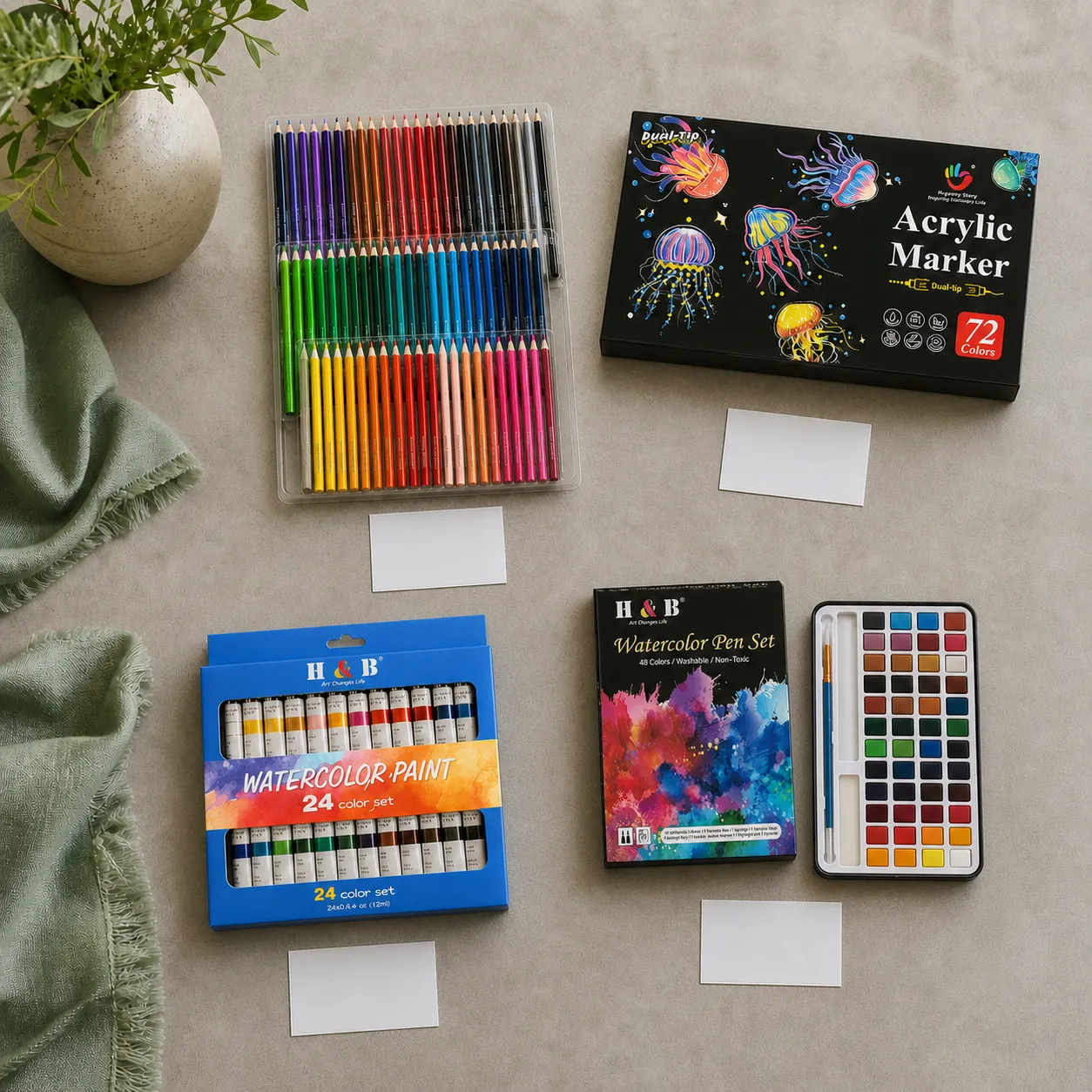
Specify the color list, core or paint format, paper, brush, sharpener, eraser, case and printed insert as applicable. Mark which components are essential to the user activity and which are optional. Ask the manufacturer to distinguish standard stock items from custom tooling, printing or assembly.
Include dimensions, materials and acceptable tolerances where these affect use or packing. A color count alone does not define a pencil set; a “watercolor kit” does not define its paper. If color names are printed, require barrel, chart and package codes to match the physical swatches.
Define a Sample Test That Mirrors Use
Choose a short exercise and the paper or surface on which it will be done. For pencils, record laydown, layering, point retention and sharpening. For watercolor, record activation, coverage, drying and paper buckling. For markers, record line quality, cap fit, leakage and bleed. Use the same conditions for candidate samples so observations can be compared.
State what failure looks like. “No broken cores in the sample” may be too vague without a sample size and sharpening method. Agree the inspection method and acceptance criteria with the supplier before production. Keep a complete signed sample as the reference for the first and repeat orders.
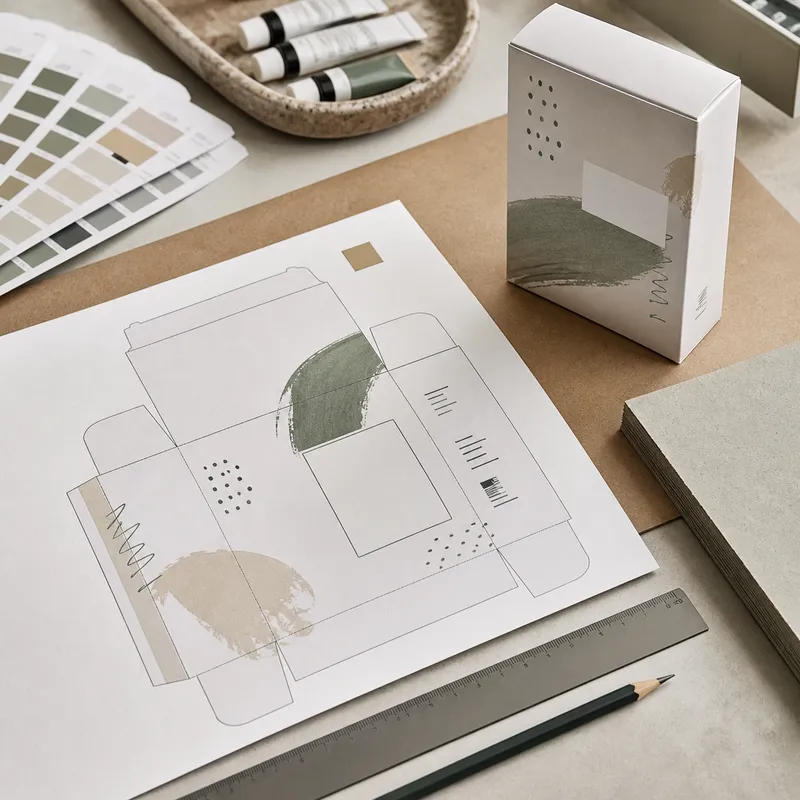
Plan Packaging and Claims Together
Describe how the product will be stored, shipped and displayed. Request a complete packed sample with the final insert and outer carton. Reserve space for barcode, contents, responsible-party information, languages and warnings required by the destination. Artwork should reflect the exact finished product, including accessories.
If the copy will say “non-toxic,” “washable,” “lightfast” or “sustainably sourced,” ask what SKU-specific evidence supports each claim. The U.S. CPSC explains that ASTM D4236 conformity relates to art-material assessment and labeling, and that “non-toxic” is not a term defined by the relevant regulation. For EU toys, review the applicable toy requirements and the scope of reports for the full set.
Add the Commercial Inputs Buyers Actually Need
State the intended first-order quantity, target destination, desired arrival date, preferred trade term and whether a reorder is likely. Ask the manufacturer for quantity breaks, tooling costs, sample stages, carton data and production schedule for this configuration. These are project-specific; avoid copying a generic MOQ or lead-time promise from another product.
To evaluate the total price, add freight, duties, taxes, fulfillment and expected replacement costs using current quotations and official destination information. Use the separate private-label cost worksheet for that calculation.
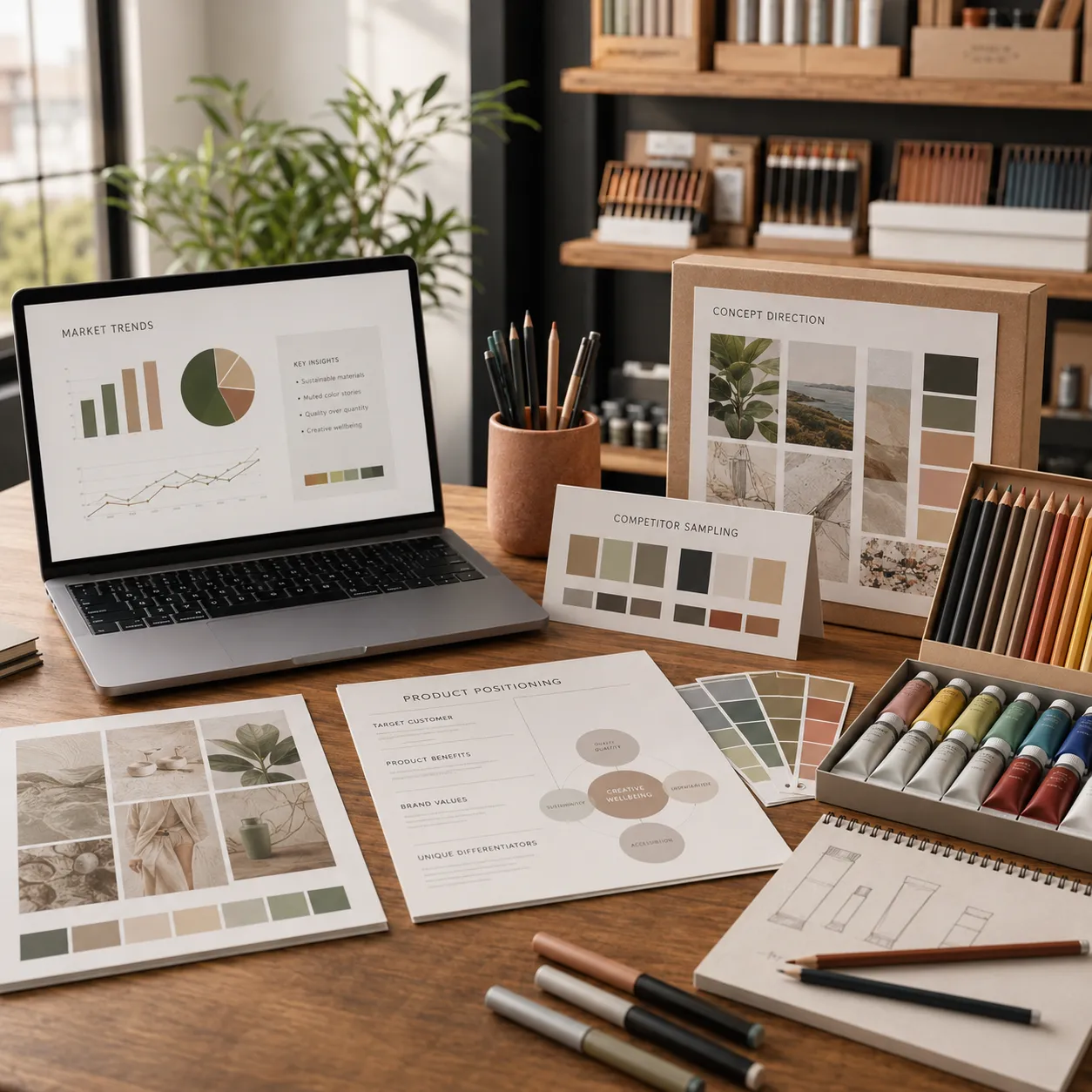
Product Brief Template
- User and task: who uses it, where, and what outcome it should deliver.
- Configuration: model, full contents, materials, color list and dimensions.
- Performance: paper or surface, sample exercise and acceptance method.
- Packaging: structure, protection, insert, barcode, language and artwork.
- Evidence: documents needed to support safety, material and performance claims.
- Order: quantity, delivery destination, trade term, carton details and reorder plan.
- Change control: who approves formula, component or artwork substitutions.
Attach physical swatches and the approved packed sample when the brief is finalized. A well-written brief helps the factory quote the intended item and helps the buyer judge whether the delivered set fulfills the promise to the end user.