What Drives the OEM Cost of a Colored Pencil Set?
The factory price of a colored pencil set changes with its formulation, color range, barrel, packaging, inspection and order configuration. Buyers should understand which choices affect the user and which add cost without improving the task. A component-level quotation helps compare options fairly before freight and retail fees are added.
Begin With a Fixed User and Set Specification
Decide whether the set serves a classroom beginner, a hobby colorist or an illustrator. Then state the color count, full palette, core and barrel dimensions, desired laydown, sharpening behavior and included accessories. A quote for a 48-color set in a tin is not directly comparable with a 48-color set in a carton if the cores, tray and printing differ.
Ask each supplier to quote the same bill of materials and approved sample. If a lower price is offered, request a line-by-line explanation of what changed. Test any change against the end-user task rather than assuming a cheaper or more expensive component is automatically better.
Core Formulation and Color Range
Core formulation affects drawing feel, coverage, point retention and the way color builds on paper. It can also affect raw-material and process cost. A buyer does not need a confidential recipe to evaluate samples, but should ask what performance is guaranteed and which formulation changes require notice.
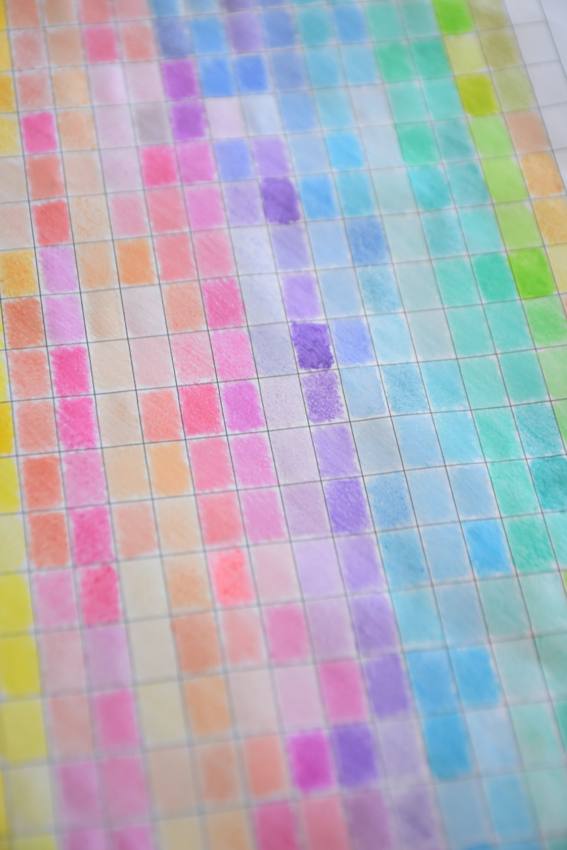
Each additional color can create a separate material, setup, inventory or inspection requirement. More colors can improve the user’s range, but near-duplicates may add cost and complexity without adding value. Review physical swatches and the availability of replacement colors before deciding the final count.
Barrel and Assembly Choices
Barrel shape, casing material, finish and printing affect both usability and production. Check hand comfort, sharpener fit, wood or casing quality and whether the core is centered. A special shape or printing method may require a different setup or minimum quantity; ask the factory to quote that effect for the actual order.
For a private-label line, identify the artwork area, color codes and branding on each pencil. Confirm whether a change to the barrel or coating also changes the approved sample or supporting documents. A consistent repeat order is more valuable than a first shipment that cannot be reproduced.
Packaging and Pack-Out
A folding carton, tin or fabric case has different material, printing, assembly and freight implications. Ask for the unit packaging cost and any tooling or plate charges separately. Evaluate protection, opening, storage and the space available for labels. A more expensive pack is justified only when it serves the user or distribution channel.
Include trays, inserts, color charts, sharpeners, erasers and instruction sheets in the bill of materials. If the supplier quotes only loose pencils, do not treat that as the finished set price. Inspect the packed sample and outer carton because damage and returns also have cost consequences.
Inspection and Claim Evidence
Specify sample size, test conditions and defect categories for sharpening, missing colors, broken cores, barrel finish, packing and print errors. Inspection has a cost, but an undefined quality promise can be more expensive to manage after delivery. Ask who pays for rework and retesting if a lot fails.
For claims on U.S. art materials, the CPSC explains ASTM D4236 assessment and labeling. For EU toy-classified products, check the relevant toy requirements and SKU-specific reports. Ask whether testing, translation or artwork review is included in the quotation. Do not use a blanket “certified” line to hide these separate tasks.

How to Ask for a Comparable Cost Breakdown
- Core and barrel: unit specification, tolerances and performance reference.
- Colors: exact codes, swatches and replacement policy.
- Printing: pencil, color chart, instruction and box artwork costs.
- Packaging: unit pack, tray, insert and outer carton.
- Setup: tooling, plates, samples and one-time approvals.
- Quality: inspection, tests, documents and rework terms.
- Order: quantity breaks, schedule, trade term and change rules.
Mark every quote with its date, currency, quantity and specification revision. After comparing factory cost, add transport and channel costs in a separate landed-cost model. This keeps the manufacturing decision tied to the product the end user will receive.