What Watercolor Paper Weight Does and Does Not Tell You
Why Can 300 GSM Paper Still Ripple?
You buy a watercolor pad labeled 300 gsm, apply a wet wash, and notice ripples forming across the sheet. Does that mean the paper is defective or the weight specification is incorrect? Not necessarily. Watercolor paper weight tells you how much the paper weighs per unit of area. It does not, by itself, determine whether a sheet will buckle, how well it withstands repeated washes, or how its surface responds to lifting and blending. Understanding these differences helps painters choose suitable paper and helps art supply buyers evaluate products before placing bulk orders.
Key Takeaways
- GSM measures paper weight, not guaranteed performance. Two sheets with the same GSM can behave differently when wet.
- Watercolor paper buckling depends on several factors, including water application, paper construction, sheet size and drying conditions.
- Test the actual paper before buying. A repeatable wash, layering, lifting and drying test provides more useful information than the weight printed on the cover alone.
What Should a Buyer Check First?
The user's question has an immediate purchasing consequence. If a beginner kit shows a broad wet wash but the enclosed paper is suitable only for small, lightly damp studies, the printed GSM will not prevent disappointment. Define the intended exercise before comparing quotations. Then request a physical sample of the exact pad and test that exercise on it.
The first purchasing brief can be short: target user, painting technique, sheet dimensions, nominal GSM, surface, binding format and the result the user should reasonably expect after drying. Ask the supplier which of these details are confirmed for the proposed SKU and which still need sample approval. This puts the product promise beside the test from the start, rather than leaving procurement decisions until the end of the article.
For a school kit, the test might be one modest wash and a second layer. For a retail pad promoted for wet-on-wet work, include a more demanding wash and record both the wet ripple and the dried sheet. Keep the same paint, brush and water application across candidate samples. The following sections explain why the weight label alone cannot answer those questions.
What Does GSM Measure?
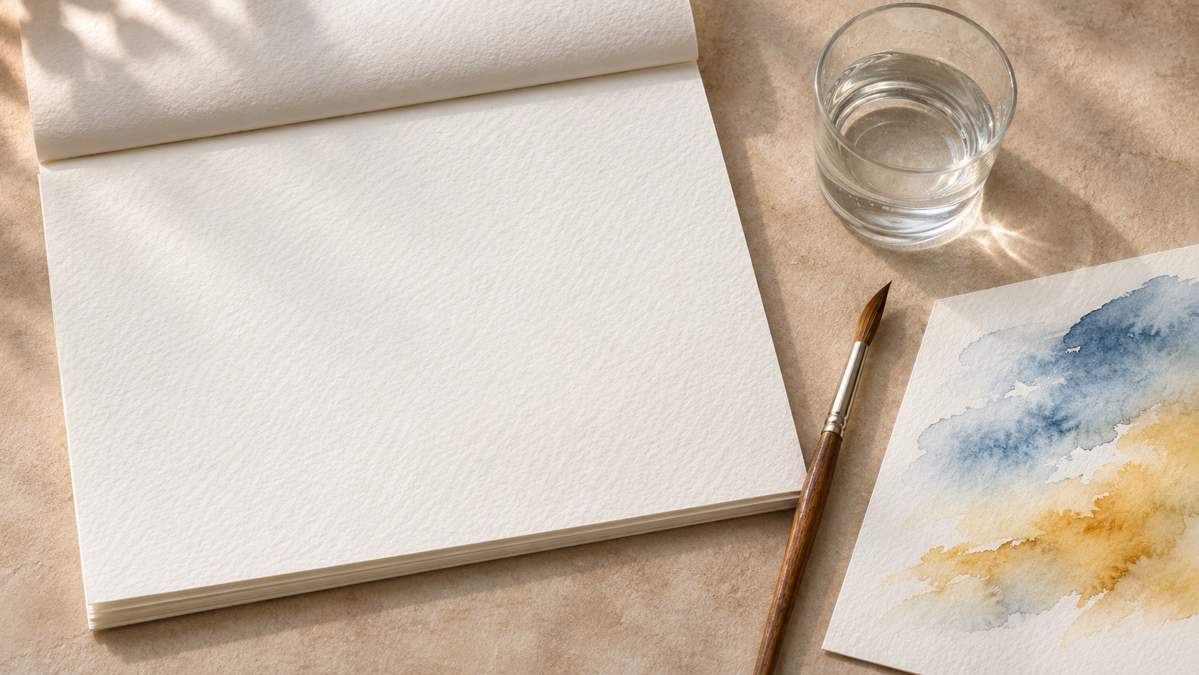
GSM stands for grams per square meter. It describes the mass of a square meter of paper. For example, a sheet labeled 300 gsm has a nominal mass of 300 grams per square meter. The ISO 536:2019 standard establishes a method for determining the grammage of paper and board. GSM is useful for comparing paper specifications, but it should not be confused with paper thickness, stiffness or wet handling performance. Watercolor paper labeled 300 gsm is commonly marketed as approximately 140 lb paper. However, pound-based paper weights depend on the defined basis sheet and paper category. For international sourcing, GSM provides a more consistent specification for comparing products.
Does Higher GSM Mean Better Watercolor Paper?
No. Heavier paper may offer advantages for some wet techniques, but higher GSM does not automatically mean better surface strength, easier lifting or superior paint handling. Fiber composition, surface sizing, manufacturing methods and intended use all affect the result. A 300 gsm sheet designed for one type of painting may perform differently from another 300 gsm sheet under the same conditions.
Why Does Watercolor Paper Buckle?
Watercolor paper can expand when it absorbs moisture and contract as it dries. Uneven wetting and drying can cause visible ripples, waves or cockling. The Canadian Conservation Institute explains how moisture and environmental changes affect paper. These principles help explain buckling, although they do not establish the performance of any particular watercolor pad. Several factors influence the result: 1. Water Application A light wash and a heavily saturated wet-on-wet technique place different moisture demands on paper. More intensive wetting may produce more noticeable movement. 2. Sheet Size Larger sheets can show more visible deformation than smaller sheets under comparable conditions. 3. Paper Construction Fiber composition, sizing, sheet density and manufacturing methods affect how paper absorbs and responds to moisture. 4. Paper Support and Binding Loose sheets, bound pads and watercolor blocks restrain the paper differently. Tape or edge support may reduce movement but cannot guarantee that a sheet will remain completely flat. 5. Drying Conditions Uneven drying can influence the final shape of the paper. Evaluate the sheet after it has dried completely, not only while the wash is wet. The important distinction: A 300 gsm label describes paper weight. It is not a promise that the paper will never buckle.
Look Beyond Weight When Choosing Paper
For painters and art supply buyers, GSM is a useful starting point. A complete evaluation should also consider fiber, sizing, surface, sheet size and pad construction. Record these fields beside the test result so a repeat order can be checked against the approved sample.
Fiber and Sizing
Watercolor paper may contain cotton, other cellulose-based fibers or blended materials. Fiber composition is important, but it is not a complete measure of quality. Sizing, the treatment used to influence how the paper interacts with water, can affect paint absorption, wash movement and lifting performance. Rather than choosing a paper solely because of its fiber label, compare physical samples using the same paint, brush and application conditions.
Surface and Technique
Smooth paper can be useful for fine lines and detailed illustrations. More textured surfaces produce different brush and pigment effects. The best choice depends on the intended painting technique rather than a single specification. For example, a beginner pad intended for small color studies may have different requirements from paper intended for large wet-on-wet paintings.
Test the Actual Paper in Four Steps
A simple four-part test can help painters compare papers and give art supply buyers a repeatable way to evaluate samples. Use the same brush, watercolor paint, water application method and working conditions for each sample. Record the paper specifications before testing.
1. Apply a Single Wash
Apply an even watercolor wash across a defined area. Observe how the paint spreads, whether unexpected beading occurs and whether the paper begins to ripple.
2. Add a Second Layer
After the first wash has dried, apply a second layer. Check whether the surface remains intact and whether the earlier color lifts more than expected.
3. Try Gentle Lifting
Dampen a small painted area and gently lift pigment using a clean brush or tissue. Observe both the amount of color removed and any visible disturbance to the paper surface.
4. Compare the Fully Dried Sheet
Allow the sheet to dry completely under consistent conditions. Compare the wet and dry results. Record visible rippling and any lasting deformation. For a more consistent comparison, record: - Sample code and paper GSM - Sheet size and declared fiber composition - Surface texture and binding format - Paint, brush and water application method - Wet handling and lifting observations - Final flatness after drying Repeat the test on multiple sheets where possible. These checks are practical sample-evaluation methods, not standardized laboratory certification tests. Results should not be used to support claims about archival permanence or universal product performance.
Turn the Test Into a Purchasing Specification
For art supply importers, school suppliers, retailers and private label brands, a purchasing specification should go beyond a request such as "300 gsm watercolor paper." A clearer RFQ helps buyers compare quotations and confirm whether the supplied pad is suitable for their intended market.
School and Beginner Art Kits
Evaluate whether the paper is suitable for the watercolor exercises included in the kit. A pad intended for small washes may not need the same properties as paper promoted for extensive wet-on-wet painting.
Art Supply Retailers
Compare sheet sizes, paper surfaces, pad formats and the product information shown on retail packaging.
Private Label Art Brands
Confirm the physical sample and approved specifications before finalizing product claims, packaging artwork and repeat-order requirements. For all channels, buyers should agree on what constitutes acceptable wet handling and surface performance before production. Include the sample code, test conditions and approved dry swatch in the order record. That gives quality control and customer service the same reference if the next shipment is questioned.
Should You Stretch or Rewet a Buckled Sheet?
Some watercolor paper may become flatter after drying, while other sheets retain visible ripples. The appropriate response depends on the paper, its format and whether the sheet has already been painted. If the paper is blank, follow the paper manufacturer's guidance for stretching or preparation and test a spare sheet first. If the sheet contains finished artwork, avoid automatically soaking it again. Additional moisture can disturb water-sensitive paint or damage the paper surface. The Library of Congress preservation guidance also emphasizes caution when treating paper containing sensitive media. For valuable or fragile finished artwork, seek suitable conservation advice rather than applying an untested flattening method.
Make the Final Choice by Intended Use
Watercolor paper weight is useful, but the most reliable selection process combines specifications with practical testing. A buyer evaluating a paper pad should consider three questions: 1. What will the end user paint? Small color studies, light washes, mixed media or repeated wet-on-wet applications? 2. What paper properties matter most? Surface texture, water absorption, lifting behavior, sheet size or final flatness? 3. Can those expectations be checked on an approved sample? Use a consistent test before confirming the product specification. A paper weight such as 300 gsm can help narrow the available options. The final decision should depend on how the actual paper performs for the intended use. If you are specifying a watercolor pad for retail or a kit, request a current product specification, a physical sample and the evidence behind any performance claim before approving packaging.
A Practical Next Step for Buyers
If a pad must support a particular watercolor exercise, send the intended sheet size, technique, packaging format and destination market with your sample request. Compare the sample's wet and fully dried results before committing to a bulk specification. H&B's 300 GSM watercolor pad page is a format reference; its public page does not replace testing the exact SKU and batch you intend to order.
Related Materials for Paper Testing
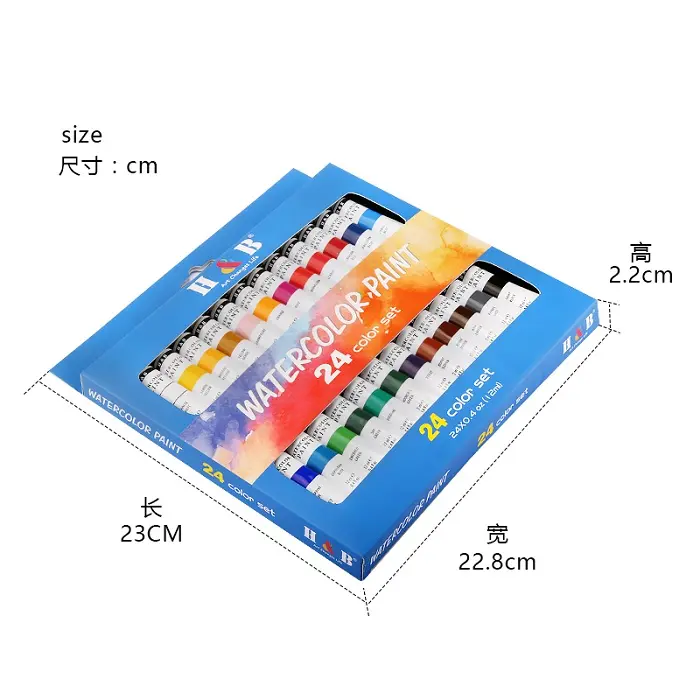
These products show possible materials for a sample exercise. Confirm the exact pad and paint specification before ordering.