
How do you control consistency between samples and mass production?
Consistency is controlled by treating the approved sample as the production reference, and by agreeing the tolerances and inspection criteria before the run starts rather than afterwards.
The references fixed at approval
| Reference | What it fixes |
|---|---|
| Approved sample | Physical standard for feel, finish and assembly |
| Color standard | The target shade or shade range, so batch matching is judged against an agreed value |
| Material specification | Components, coatings and packaging materials |
| Quality requirements | What is checked, and what constitutes a defect |
Agreed before mass production
- Confirm the approved sample and the color standard in writing
- Agree the tolerances that will be accepted — color and dimensional variation cannot be zero
- Agree the inspection criteria and the point in the process where goods are checked
Where this sits in the process
Inspection is carried out at the production end rather than after the goods have left: manufacturing, assembly and packing are handled in-house, so the check happens before shipment instead of being reported back by a third party. This is also why the signed sample matters — nothing is manufactured until the signed sample and the order confirmation are in place, so the reference cannot drift between sampling and the run.
How a buyer can verify it
The clearest test is the second order: hold the approved sample against the delivered goods, because a factory that can hold a specification across repeat runs shows it there. Buyers are also welcome to arrange an inspection or a factory visit before the run.
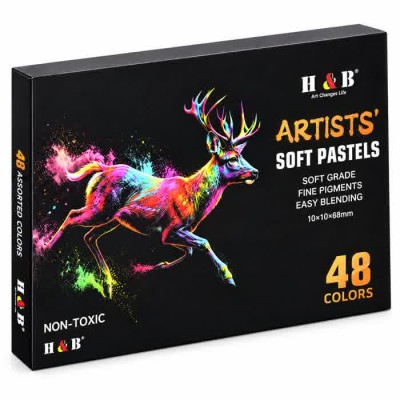
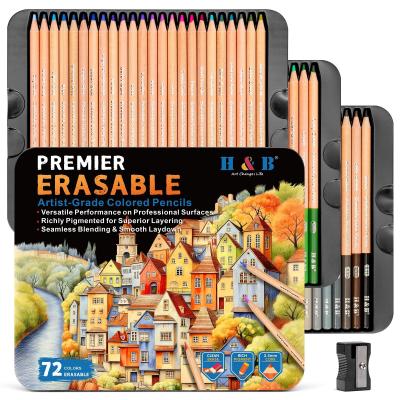
Are you looking for a reliable OEM manufacturer of art supplies?
We can quickly provide customers with market analysis, technical support and customized services.