How to Review an Art Supplies OEM Supplier After the First Order
The first shipment is only the beginning of a wholesale art supply relationship. Buyers need to know whether a supplier can repeat the approved colors, components, packaging and delivery performance when stock is replenished. A useful reliability review therefore tracks actual orders against agreed specifications, not only certificates or promises made during the first factory visit.
Separate Factory Qualification From Supplier Performance
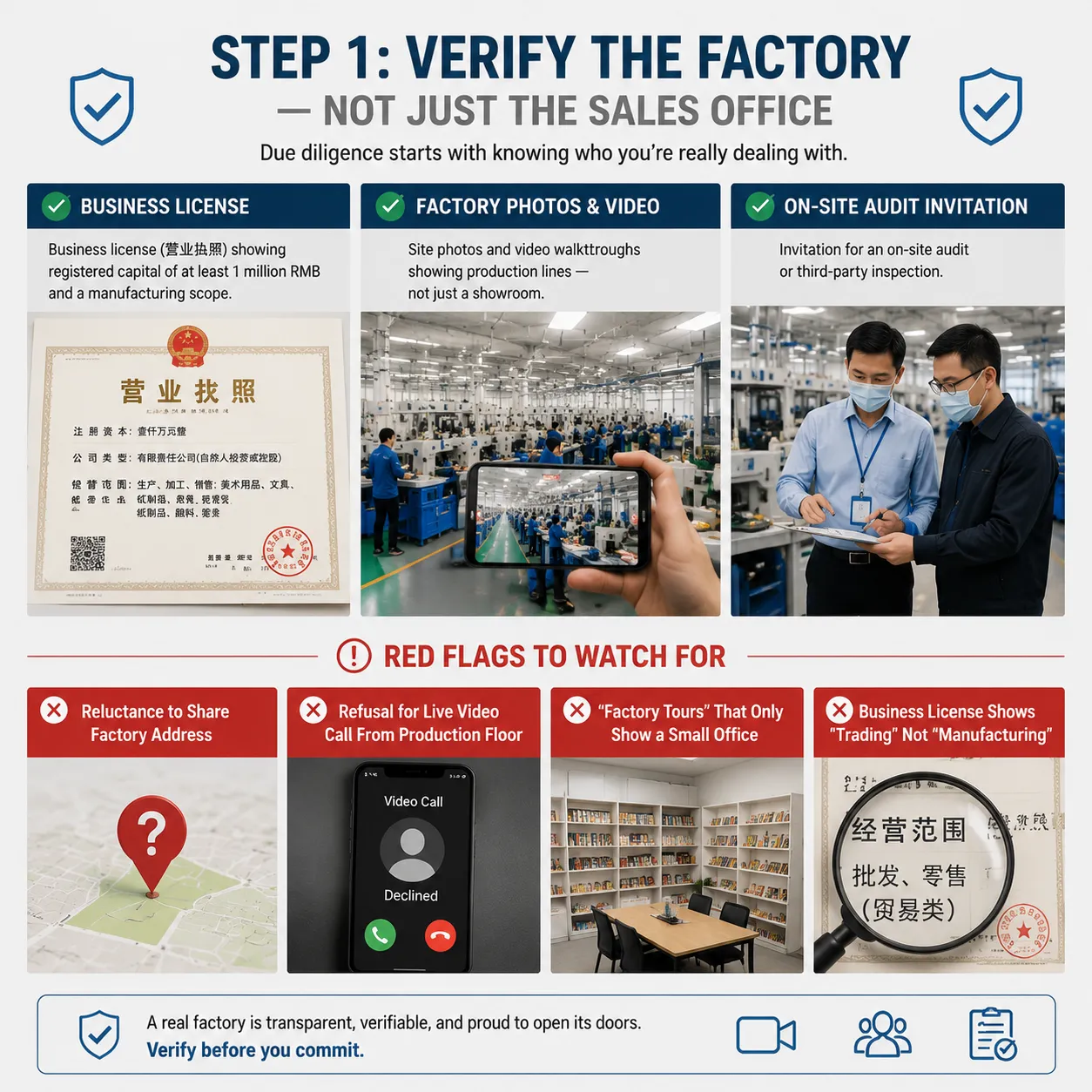
Before the first order, buyers can use an OEM factory audit to check identity, process scope and evidence. Then use a sample-to-production approval pack to define the product. After delivery, judge reliability by what actually arrived and how the supplier responds to discrepancies. These are distinct stages.
Record the manufacturer, production site, exact SKU, approved sample and specification revision for every order. A supplier may perform well on one product line but need separate review for another. Avoid treating a general company profile as proof that every SKU will be consistent.
Track What End Users Notice
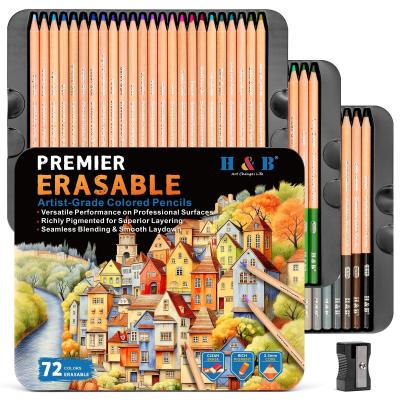
For pencils, review broken cores, sharpening, color consistency and missing shades. For paints, check activation, coverage, leakage and drying behavior. For kits, include accessory count, instructions and case durability. Define each complaint category before collecting data so different teams record the same problem consistently.
Link complaints to the order or batch when possible. A cluster in one color or carton may point to a narrower cause than a general “poor quality” label. Ask the supplier for a documented explanation and corrective action, then verify the result on the next shipment. Do not claim zero defects; agree how defects are detected and resolved.
Measure Delivery Against the Agreed Milestones
Record the date artwork was approved, materials were confirmed, production started, inspection passed and goods were handed to the carrier. The promised date depends on the exact configuration and trade term. If a delay occurs, identify whether it came from buyer artwork, a component, production, inspection or transport. This helps improve the next order rather than assigning blame without evidence.
For seasonal stock, work backward from the required arrival date and allow a buffer based on actual past orders and current freight information. Request a current production slot before announcing delivery to customers. A generic “15–45 days” statement cannot replace a project schedule.

Watch for Unapproved Changes
Compare each shipment against the signed sample and current bill of materials. Changes to pigments, wood, barrel finish, accessories, packaging or print may affect the user experience or product-specific evidence. The supplier should notify the buyer before changes that matter to the agreed specification, provide a sample and record the approved revision.
If a replacement material is proposed, ask what changed, why, which orders are affected and which tests or labels need review. A lower cost or faster delivery is useful only if the product still fulfills the promise made to users.
Keep Claims and Documents Current
Management-system evidence, product reports and artwork should be reviewed separately. ISO explains that ISO 9001 certification concerns a quality management system and is issued by an external body; it does not certify each production lot. For U.S. art materials, the CPSC explains ASTM D4236 assessment and labeling. Other destination-market rules depend on the finished item and its intended use.
Check dates, scope and product identity before reusing documentation for a changed SKU. Keep the approved label artwork with the current evidence. If the documentation cannot support a claim, correct the claim before reorder packaging is printed.

Monthly Supplier Review Sheet
- Orders and SKUs received, with specification revisions.
- Inspection outcomes and defect categories by batch.
- Customer or classroom feedback tied to actual use.
- On-time milestone performance and causes of delay.
- Approved and proposed component or artwork changes.
- Stock and production plan for the next replenishment order.
- Open corrective actions, owners and verification dates.
Define any rate with its denominator, such as defective units divided by inspected units, and keep the raw counts. Review patterns over multiple orders rather than making a broad judgment from a single anecdote. A reliable supplier relationship is one in which the product and the response to problems are both documented.