Watercolor Paper for Beginner Kits: A Buyer Test
The paper in a beginner watercolor kit is easy to overlook. A new painter notices it immediately. A brushful of color may flow across the page, stop abruptly, pool at the edge or roughen the surface when the painter tries to fix a mark. The experience can be blamed on the paint or the user's technique even when the paper and the lesson were poorly matched.
A Reddit beginner asked what paper to practice on. That individual question is a useful starting point, not evidence about how many buyers want any particular paper. For a kit buyer, it points to a more precise decision: what paper lets the intended user repeat the first activity without wasting most of the pack or needing unlisted supplies? A beginner needs paper for repeated practice, not only one finished painting; sheet count, size, kit contents and the cost of a usable practice exercise belong in the same decision.
This guide builds a test around the complete kit: paper, paint, brush, instructions and format. It does not assume a particular fiber or gsm is automatically suitable. If you are comparing samples for a retail, school or private-label set, decide what the user will paint first, then test that task on the exact proposed paper.
Start With the First Lesson, Not the Paper Label
Imagine the box promises a small landscape. The beginner needs to mix a sky wash, add a second color after drying and draw a few details. A paper sample that looks attractive in a dry product photograph may still fail this activity. Conversely, a sheet that is adequate for small swatches may be a sensible practice option even if it is not intended for a large wet-on-wet painting.
Write the first lesson in a sentence before requesting a quotation: “Paint a postcard-size wash, let it dry, add one transparent layer and lift one small highlight.” This makes the paper choice testable. Include the actual dimensions and whether the exercise uses dry or prewetted paper. A buyer can then ask for candidate pads that support the lesson rather than ordering by a prominent number on the cover.
For an end user, this framing sets an honest expectation. A first kit should allow practice and repetition. It need not promise every advanced watercolor technique. For procurement, the outcome should be a sample approval tied to a documented task. If packaging shows a broad flooded wash while the enclosed sheet only handles a small lightly damp study, revise the paper, the project or the claim before approving artwork.
What Should Be in the Sample Brief?
Ask for the exact paper configuration intended for the kit, preferably as a finished pad or booklet rather than only loose sheets. Record sheet dimensions, number of sheets, nominal paper weight (gsm), fiber description if known, surface texture, binding, cover or backing board and any stated sizing information. Ask which details are fixed and which are still under development. Where the supplier cannot document an attribute, mark it unconfirmed rather than turning it into a packaging claim.
Add the paint and brush that will ship with the kit. A small paint pan, tube or water brush can change how much water reaches the page. The paper test should use the actual combination. This is especially important for a bundled lesson: customers experience one system, not separate procurement line items. If an insert card instructs a wash, follow its wording exactly in at least one trial. If no user can understand the instruction, improving the insert may matter as much as changing paper.
The Getty's watercolor teaching activity explicitly combines watercolor paper, paint, a wash brush and water-management steps in one exercise. Its material list illustrates why a kit should be evaluated as a working set. The source is an educational activity, not a test of H&B products or a specification for all beginner kits.
Run Four Tasks on the Actual Candidate Paper

Use the same lesson sheet for each candidate. Work at the size promised on the box and use consistent paint, brush, water source and drying conditions. Make a simple comparison sheet with four labelled areas. Repeat on more than one sheet so one accidental mark does not decide the whole purchase. Keep the dried sheets as physical records.
Task 1: A small, even wash. Mix enough color before starting. Move the brush across a defined rectangle, joining each stroke to the still-wet edge below the previous one. Note whether the paint remains workable long enough for a beginner to complete the area, and whether the dried result has noticeable bands or unplanned pools. Record how much reloading the included brush needs. If the result is uneven, repeat with a practiced user before blaming the paper; brush load and timing can create the same appearance.
Task 2: A second layer. Let the first wash dry completely. Add a light second color over part of it. Note whether the previous color lifts, the surface starts to fuzz or the added layer dries unevenly. Some degree of pigment reactivation may be expected. Evaluate whether the result is suitable for the intended lesson rather than treating all lifting as a paper defect. Consider pigment behavior, brush pressure, water loading and drying conditions alongside the paper surface. The desirable result depends on the lesson: some activities want a clean transparent layer, while others invite intentional blending. Describe the observation rather than awarding a vague “premium” score.
Task 3: One gentle correction. Paint a short mark, let it dry, then rewet a small portion and blot or lift it with a consistent number of light passes. Inspect the surface when dry. A beginner will often try to change a misplaced edge. The buyer should learn whether the paper tolerates that ordinary correction, and the instructions should explain when to stop. Repeated scrubbing is a different, harsher task and should not be silently treated as the acceptance standard for a starter kit.
Task 4: Page and pad handling. Observe wet ripple, page curling after drying, whether the paper stays attached during painting and whether a finished page can be removed cleanly. Check the usable painting area near a wire or glued edge. A loose sheet may perform differently once bound in the chosen format. For a school pack, also check whether a teacher can distribute pages without tearing or confusing the paper's working side.
| Test Item | Evaluation Criteria | What to Record |
|---|---|---|
| Wash Consistency | Continuity, pooling and visible bands | Dried photographs and observations |
| Second Layer | Surface condition and first-layer disturbance | Dried photographs and observations |
| Gentle Correction | Surface damage and pigment lifting | Dried photographs and observations |
| Pad Handling | Buckling, binding and sheet removal | Dried photographs and observations |
This buyer evaluation worksheet records observations only. It is not a certification test, and it supplies no universal pass threshold.
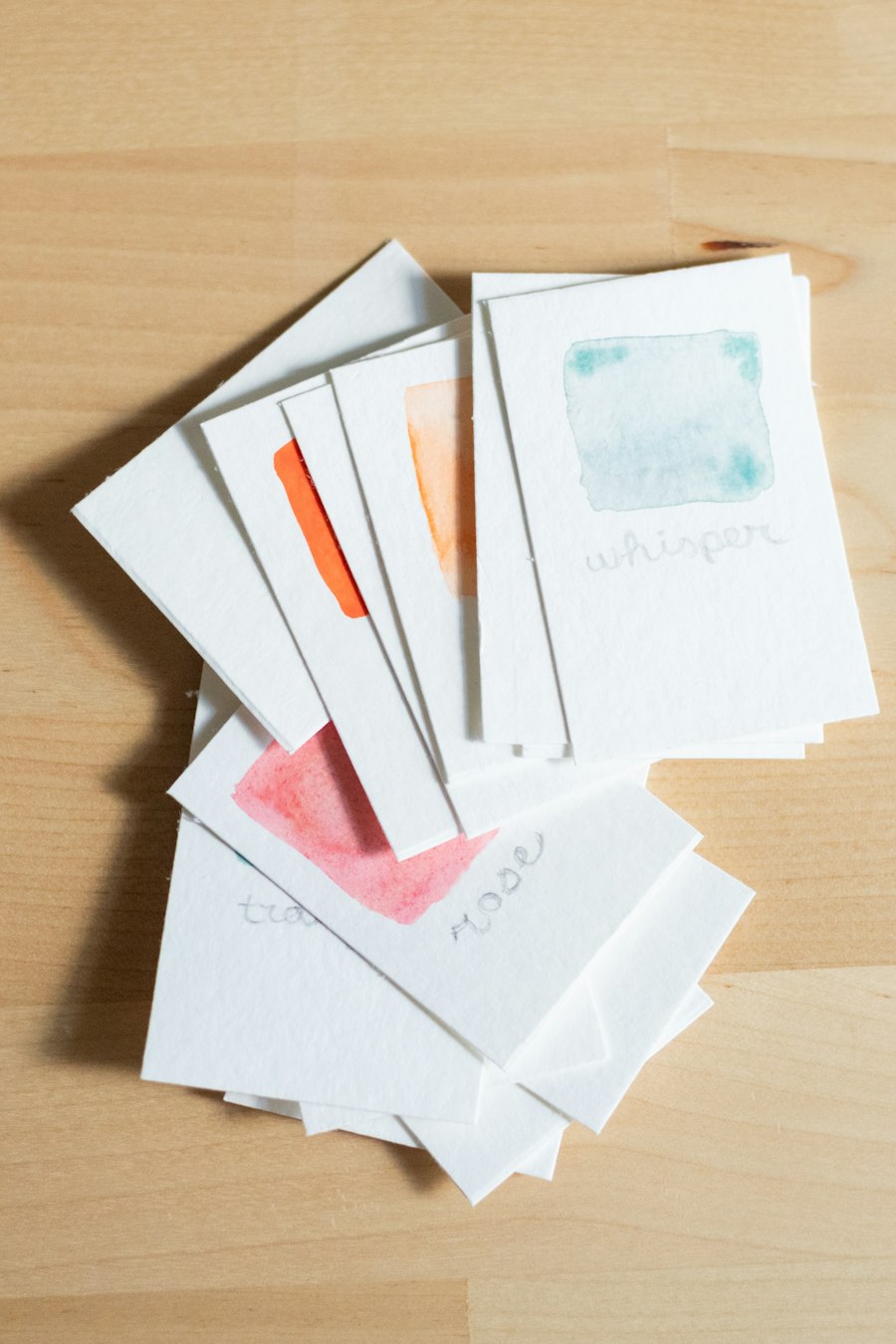
Photograph each dried result under similar lighting, but keep the physical pages. Texture, pilling and slight buckling may be difficult to judge on a screen. Include the sample code and date on the back of each sheet. A buyer should be able to return to the actual approval reference when a later shipment arrives.
How Should You Read an Uneven Result?
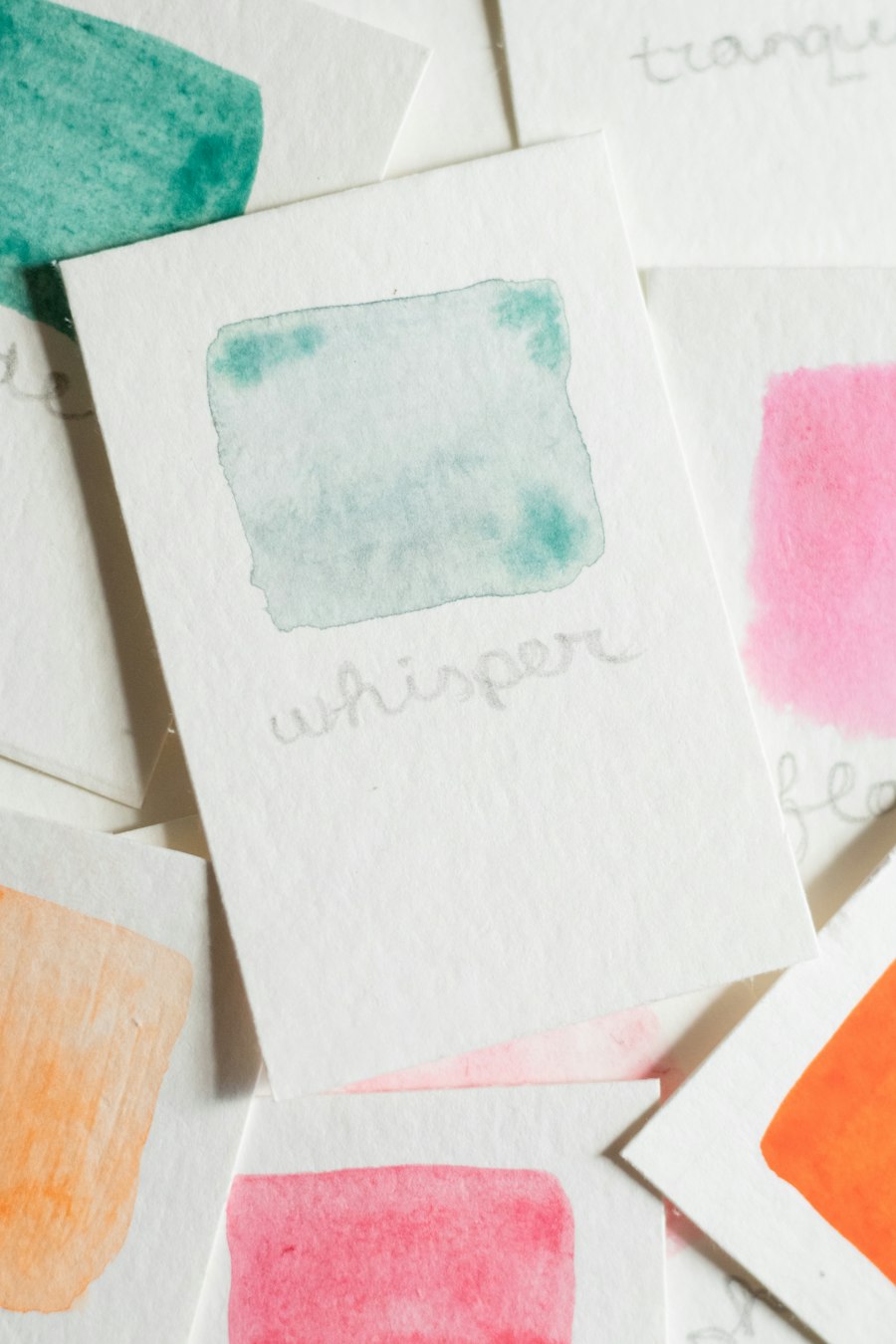
One uneven wash does not prove a bad sheet. A hard stripe can form when a beginner waits too long between strokes. A pale gap can be caused by too little paint or a brush that runs dry. A dark bottom line can come from excess water left to pool. A bloom may appear when a new drop of water touches an area that has begun to dry. Repeat the task with a consistent brush load, then compare papers. If the same issue follows one paper across several users and sheets, it deserves closer investigation.
Watch for paper-specific warning signs as well. Surface fibers that rise under ordinary, gentle brushing may reduce the usable life of a practice sheet. Severe wet distortion can interrupt a beginner's first lesson. A sheet that accepts one wash but resists the promised second layer may not be a good match for the box copy. The acceptance decision should identify the failed task and the user impact: “the second layer disturbed the first wash on three sample pages” is more useful than “poor paper.”
Fiber, sizing, texture, weight and construction all influence how a sheet behaves. The Smithsonian's watercolor conservation glossary explains that sizing helps paper resist water and keeps pigment nearer the surface. That principle does not mean a particular fiber or weight guarantees a result. For a closer explanation of gsm, see What Watercolor Paper Weight Does and Does Not Tell You.
Compare Usable Value Across Kit Formats
A low pack price can be misleading if users avoid the paper after one frustrating exercise. A higher cost per sheet can also be a poor match when the kit is meant for frequent, low-stakes practice. Evaluate the cost per usable exercise in the proposed pack: how many small lessons fit comfortably on each page, how many sheets are included, and whether the pages survive the intended sequence? Start with the available sheets, estimate how many complete attempts each sheet actually accommodates, and consider pages lost to unsuitable performance. Compare options using the same planned lesson; no assumed industry average is needed. This is a purchasing framework, not a published market statistic.
For a retail starter kit, a compact pad may help the new painter begin quickly. Make sure the pad size matches the included brush and the illustration on the insert. A tiny brush on a large sheet encourages patchy broad washes; a broad brush with only a narrow working area can be awkward. The right relationship is visible in a short trial. If the box includes only one or two sheets, ask whether that supports genuine repetition or merely a demonstration.
For a classroom kit, consider whether the paper can be divided among students, how pages are stored while drying and whether the binding survives repeated handling. A school buyer may choose a practical practice format and reserve a different sheet for a finished project. That is a lesson-design choice, not a claim that all classroom work needs the same paper.
For a private-label set, confirm that the final paper, brush and paint can be supplied together consistently. A change in paper size, surface or binding should trigger a repeat of the approved lesson test. If the product description names a fiber percentage, sustainability attribute or compliance status, request documentation for the exact paper and destination market before printing it. Do not infer any of those claims from a generic sample pad.
Turn the Test Into an Approval Record
Before approving a quote or artwork, create a one-page decision sheet. List the target user and first lesson; the exact paper and pad identification; the paint and brush used; the four test observations; the accepted sample; and any limits to the claim. Note whether the sample is approved, needs a revised instruction or needs a different component. Keep the actual dried pages beside the written record.
| Sample Record Field | Required Information |
|---|---|
| Sample ID | Unique sample reference |
| Intended Use | Target painting activity |
| Paper Specification | Weight, fiber if verified, texture, dimensions and sheet count |
| Paint & Brush | Actual kit components used |
| Test Conditions | Water loading, technique and drying conditions |
| Test Results | Observations from the four evaluation tasks |
| Acceptance Criteria | Buyer-supplier requirements agreed for this project |
| Decision | Approved / Revise / Reject |
| Reference Sample | Stored physical sample and test record |
The buyer and supplier should agree acceptance criteria for the specific project before approval; this worksheet does not set H&B-wide thresholds.
Ask the supplier to identify what will be held constant for production: sheet size and count, paper specification, surface, pad construction and pack contents. Agree how a substitution will be communicated and retested. If the first production carton arrives, compare randomly selected pads selected using an agreed sampling method with the approved sample using the same short lesson. This is a practical incoming check, not a claim of standardized laboratory certification.
H&B Art lists a watercolor pad and offers paper, watercolor paint and brush options. For eligible paper products, H&B can discuss cover printing, paper weight, binding and branded packaging; available configurations, sheet count, sample availability and MOQ depend on the proposed product and order. Send the planned beginner exercise, desired pad size and sheet count, paint and brush configuration, packaging format and target market. H&B can discuss suitable sample options for review. Confirm the exact paper composition, customization scope, price and performance for the proposed configuration in writing before stating those details in customer-facing copy.
Choose Paper That Supports the First Painting
The most useful beginner paper is the one that supports the promised lesson and gives the user room to practice. Test the wash, second layer, gentle correction and finished pad handling with the actual kit contents. Keep a dried reference, write down the accepted configuration and make only claims that the specific sample supports. A clear first experience is more valuable than a fiber or gsm label considered on its own.
Explore Watercolor Kit Components
Use these current formats as starting points for a sample request. Confirm the exact paper, paint and brush configuration for your lesson before ordering.
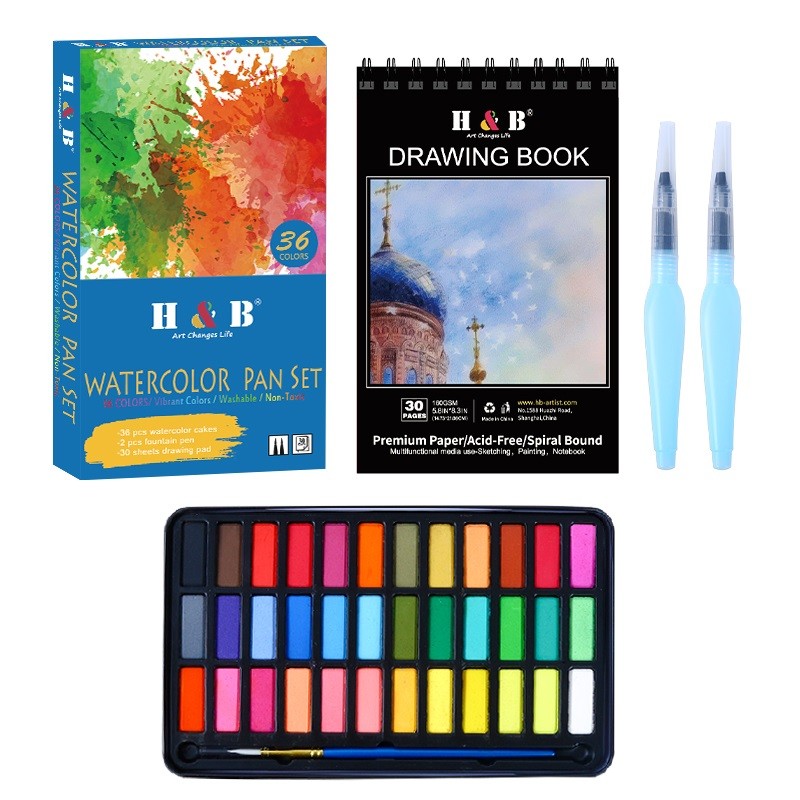 Beginner Watercolor Set
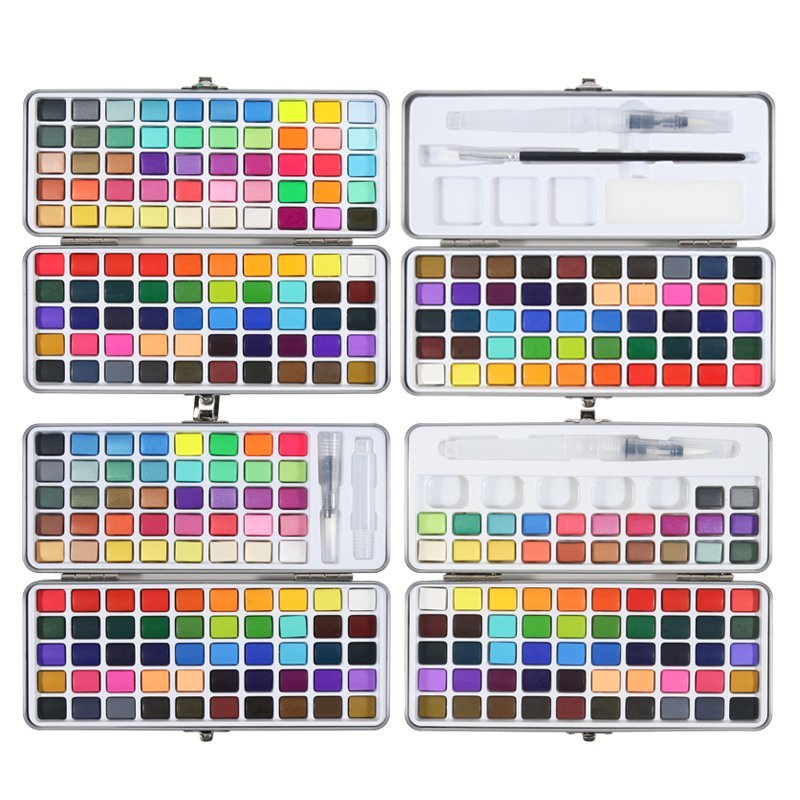 Solid Watercolor Paint Set
 24-Piece Watercolor Paint Set
 12-Piece Nylon Paint Brush Set
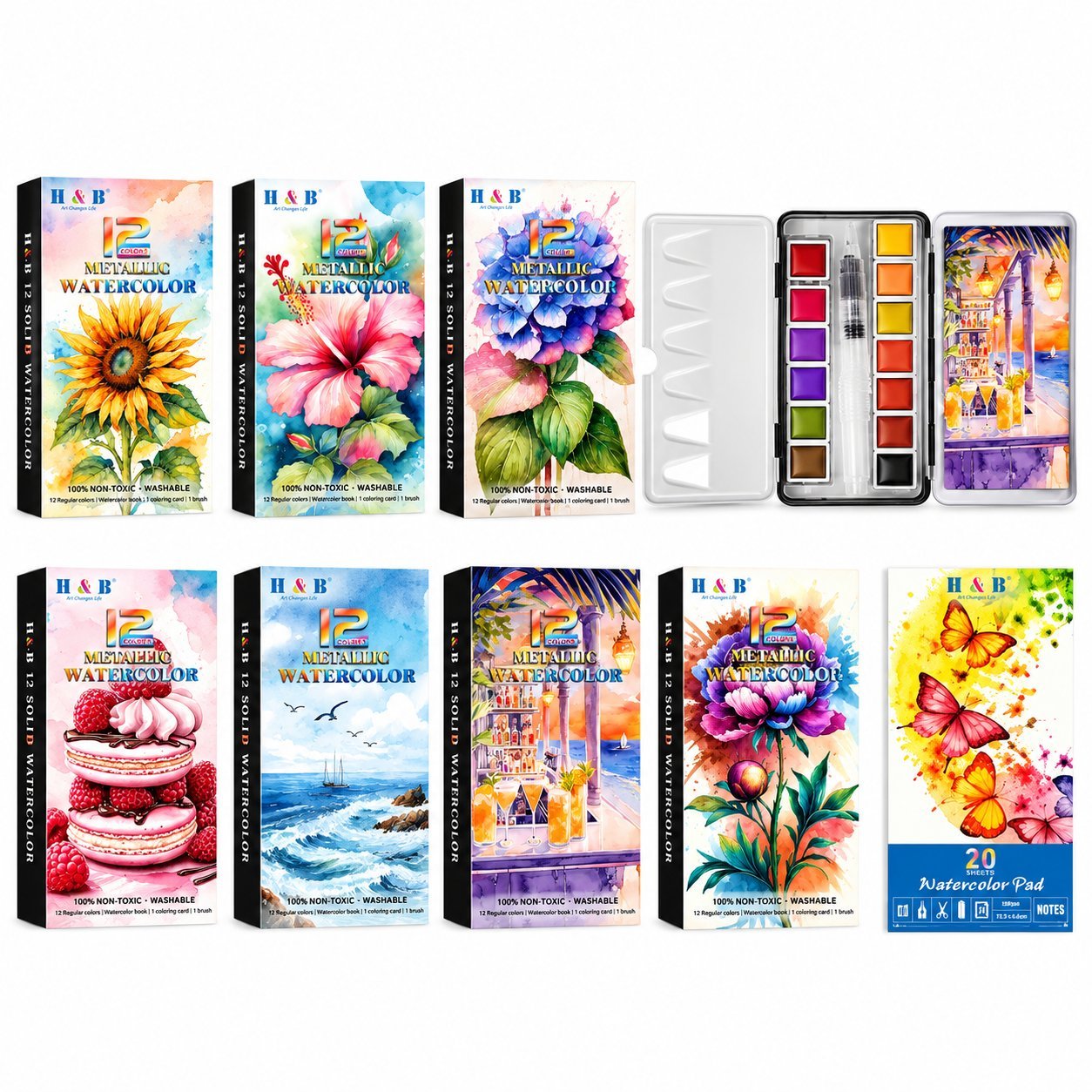 12-Color Watercolor Set with Water Brush
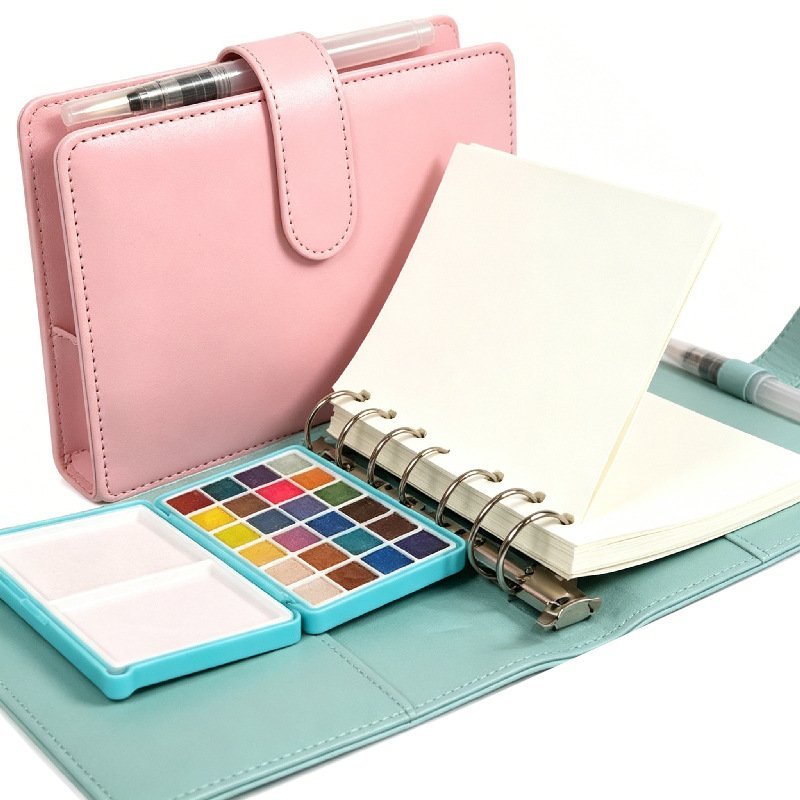 24-Color Pearlescent Watercolor Set with Paper
Send your first painting exercise, proposed paper size and sheet count, paint and brush choices, destination market and packaging requirements with your sample request.