What Online Artist Discussions Reveal About Art Supply Upgrade Decisions
When artists consider upgrading their supplies, the conversation is not always about buying a more expensive product. It may begin with a watercolor wash that behaves unexpectedly, colored pencils that struggle to build additional layers, or uncertainty about whether professional-grade materials justify their price.
These questions appear in online artist communities, including Reddit discussions about watercolor supplies, colored pencils, and the transition to professional materials.
For art supply manufacturers, distributors, retailers, and private label brands, these conversations offer a useful starting point for understanding product expectations.
They do not establish market-wide purchasing trends. However, they can help businesses identify questions worth investigating through product testing, customer research, and sales data. This article is a qualitative problem study of selected discussions, not a survey of the art supply market.
For context, the U.S. National Endowment for the Arts reported that 52% of U.S. adults created or performed some form of art in the 12 months ending July 2022. That nationally representative participation measure covers many activities beyond painting and drawing. It does not measure purchases, skill level, product prices, or upgrade timing; it cannot tell buyers which supply category has upgrade demand.
Key Takeaways
- Performance matters more than labels alone. Artists want to understand what a different material will change in their work.
- Products are evaluated as part of a working system. Paper, pencils, brushes, and paint can influence one another.
- More items do not necessarily solve the original problem. A better-matched material or a replacement component may offer a more relevant solution.
- Upgrade decisions depend on the intended use. Practice, classroom activities, hobby painting, and artwork intended for sale can involve different requirements.
- Online discussions reveal questions, not market shares. Buyers should verify potential opportunities through controlled product comparisons and channel-specific evidence.
1. What Makes Artists Consider Better Supplies?
A discussion in Reddit's r/ArtistLounge community asked when investing in professional-quality art supplies begins to make sense.
The original poster described years of working with available materials and was preparing artwork for a calendar project that might be sold. The question was therefore not about a complete beginner purchasing a first art kit. It concerned an artist moving toward a more demanding application.
This distinction matters.
For someone exploring painting as a hobby, affordability and ease of use may be priorities. For an artist preparing work for sale, considerations may include material consistency, durability, documentation, and suitability for the finished artwork.
Product Question to Test: Does a change in application create a need for a different, verified material specification?
For distributors and private label brands, this suggests an opportunity to define product tiers by the work customers intend to complete.
Instead of relying entirely on labels such as "Beginner," "Student," or "Professional," product information can explain the practical differences between configurations.
For example, a colored pencil range might distinguish everyday coloring, controlled layering, and applications requiring documented lightfastness information where such information is available for the exact product.
These distinctions should reflect verified product specifications rather than assumptions based on pricing.
Discussion source: When does it make sense to invest in professional quality supplies? — r/ArtistLounge
2. The Watercolor Question: Which Material Deserves the Budget?
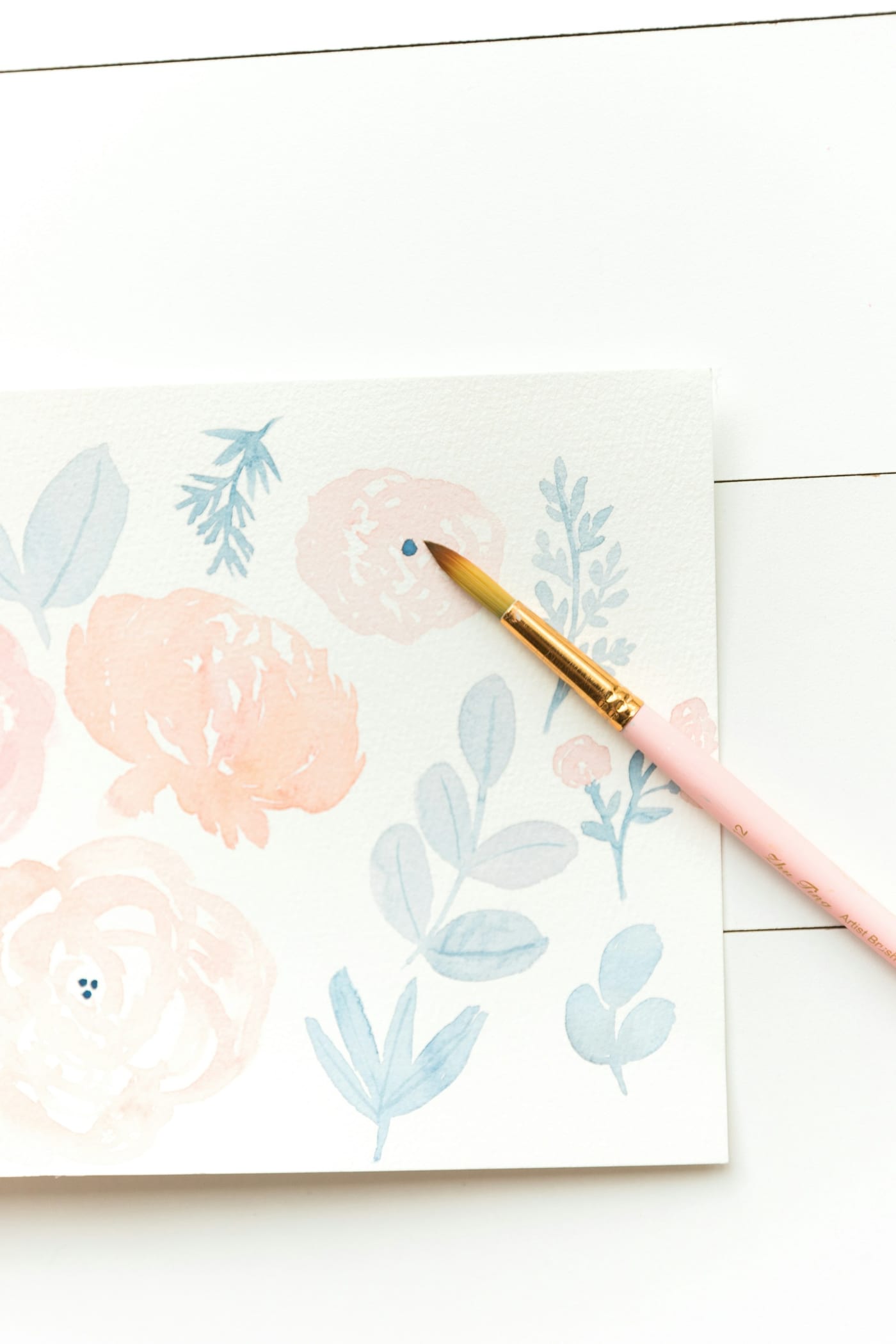
In r/watercolor101, a beginner asked how much the quality of different watercolor materials matters.
The discussion considered whether someone should invest in better paper, better paints, or better brushes when a budget cannot cover premium versions of everything.
Several participants placed particular emphasis on paper, while also discussing brush control and the usefulness of a manageable starter selection.
Another long-running discussion in r/Watercolor explored beginner supplies from the perspective of someone working within a limited budget.
The author emphasized that recommendations should consider affordability and the freedom to practice, rather than simply insisting on the most expensive materials.
Taken together, these discussions reveal two considerations: artists want materials that support successful practice, but they also need a purchase cost they can sustain.
What This Means for Product Assortment Planning
A watercolor starter product should be evaluated as a complete working combination, not simply as a collection of individually attractive components.
When developing or selecting a beginner watercolor kit, buyers can ask:
- Does the included paper support the wet techniques shown in the instructions?
- Can the supplied brushes carry and release enough water for the proposed exercises?
- Does the paint configuration provide a practical introduction to color mixing?
- Can users obtain suitable replacement paper or other consumables?
A larger paint selection may not improve the experience if the paper is unsuitable for the intended exercise. Similarly, an expensive brush is not automatically necessary for every beginner project.
Product Question to Test: Does a coordinated paint, brush, and paper combination help users complete the promised exercise more reliably than adding pieces?
For a related substrate check, see what watercolor paper weight does and does not tell you.
For OEM/ODM projects, this creates a reason to evaluate paints, brushes, and surfaces together before approving packaging claims.
Discussion sources: How Important Is The Quality Of Your Supplies? — r/watercolor101 and Beginner Watercolor Supply Summary — r/Watercolor
3. Colored Pencils: When More Colors Are Not the Answer

Colored pencil discussions offer another perspective on upgrade decisions.
In r/ColoredPencils, one participant asked whether better pencils were worth purchasing after trying an inexpensive 12-color set. Other discussions raised questions about layering, blending, paper texture, and the way different pencils behave during repeated applications.
These conversations point to several distinct needs.
One artist may want more colors for a broader palette. Another may be satisfied with the available colors but find that a particular pencil and paper combination does not support the desired layering technique.
A third may need to replace frequently used colors rather than purchase another complete set.
These are different purchasing problems and should not automatically lead to the same product recommendation.
Implications for Colored Pencil Suppliers
For manufacturers and brands, useful areas of investigation include:
Core performance: Compare color application, layering, point retention, and breakage under agreed test conditions.
Set configuration: Match color counts to intended applications rather than assuming the largest assortment is always the most suitable.
Surface compatibility: Demonstrate relevant differences on the papers customers are likely to use.
Replenishment: Evaluate whether replacement colors or smaller supplementary assortments make sense for the target channel.
Product Question to Test: Can users observe and understand the functional differences between proposed pencil configurations?
For a buyer-focused set evaluation, see how to choose a colored pencil set.
For private label programs, this may influence the choice of core specifications, color assortment, packaging, and the instructions accompanying each set.
It is important not to infer from individual forum posts that one pencil formulation or color count dominates a market. Such decisions require broader evidence from the intended customers and sales channels.
Discussion sources: Should I Buy Better Pencils? — r/ColoredPencils and First Drawing — Improvement Advice — r/ColoredPencils
4. A Potential Assortment Opportunity: From Starter Products to Purposeful Upgrades
The discussions across different media suggest a useful product development hypothesis.
Instead of organizing assortments only by product count or broad quality labels, brands could examine whether clearer application-based progression helps buyers and end users understand their options.
A possible structure includes three stages:
| Product Stage | Intended Customer Need | Product Planning Focus |
|---|---|---|
| Starter | Complete a first project with manageable materials | Usability, essential components, clear instructions |
| Developing Skills | Address specific limitations or explore additional techniques | Tested performance differences, additional tools, replacement options |
| Specialized Applications | Meet defined technical or creative requirements | Documented specifications, consistency, suitability for the intended application |
This is a proposed assortment framework, not an established industry purchasing pattern.
Before adopting it, a business should evaluate whether customers actually recognize the differences, whether the products deliver them, and whether each tier earns a distinct role within the assortment.
For retailers, the questions include potential shelf overlap and how customers compare different configurations.
For distributors, the questions include replenishment, repeat orders, inventory complexity, and channel fit.
For private label brands, the questions include specification control, packaging communication, product differentiation, and repeatability.
5. Turning Online Conversations Into Product Development Evidence
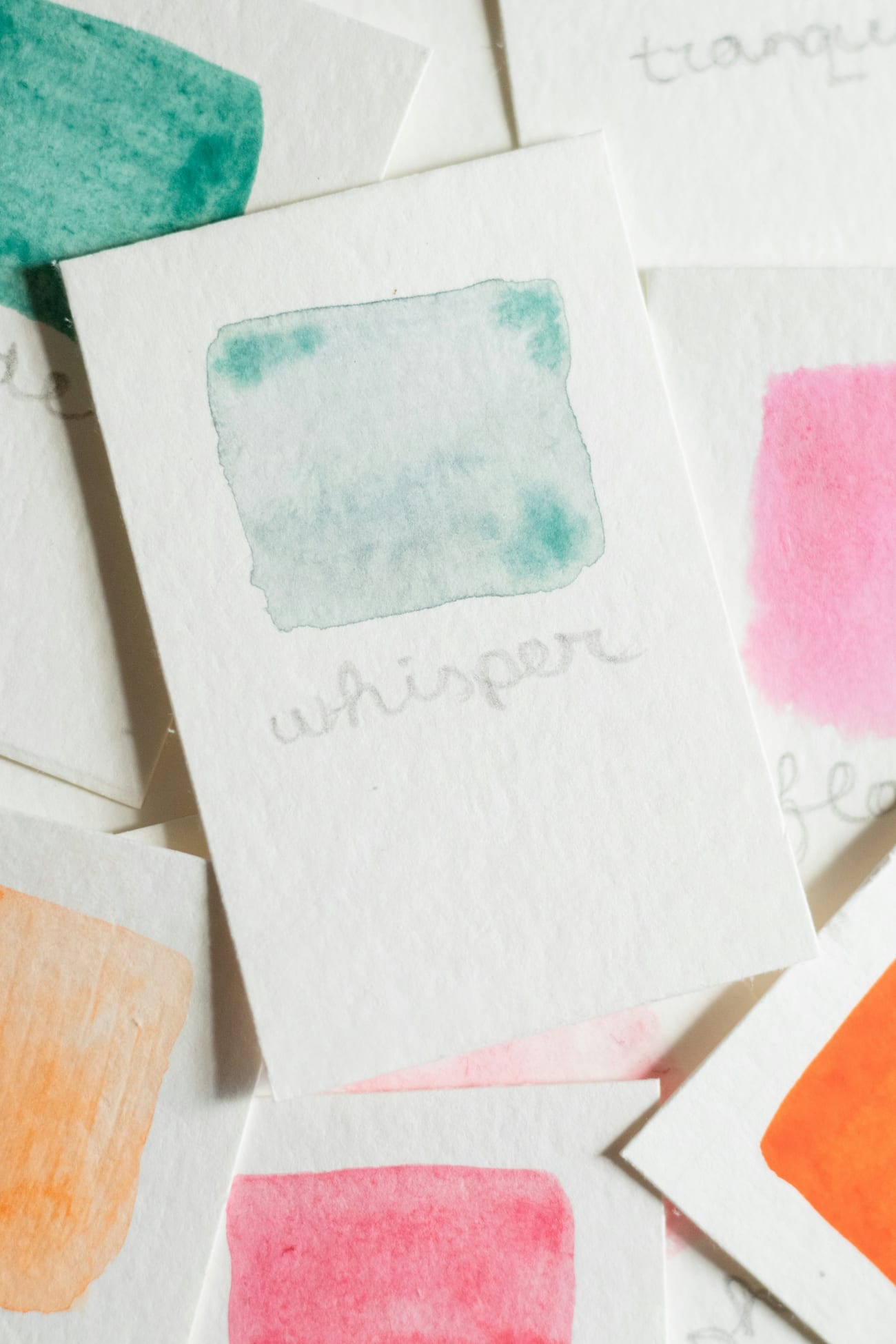
Reddit discussions can highlight language that conventional product specifications may overlook.
An artist might describe a pencil as difficult to layer, a brush as hard to control, or a paper surface as frustrating to use.
These descriptions can help manufacturers formulate practical questions, but they do not identify the cause by themselves.
A controlled comparison is therefore important.
For example, if users report difficulty creating smooth watercolor washes, the problem may involve the paper, the brush, the paint mixture, or the technique.
If a pencil seems difficult to blend, buyers should consider the core, the pressure applied, the paper texture, and the selected blending method.
A useful investigation separates the reported problem from the proposed solution.
A Practical Validation Framework for B2B Buyers
| Research Stage | What to Examine | Possible Business Use |
|---|---|---|
| Identify the question | What difficulty or uncertainty does the artist describe? | Product research brief |
| Define a hypothesis | Which specification or component might influence the result? | Sample selection |
| Compare samples | What changes under controlled conditions? | Product evaluation |
| Review customer feedback | Do target users notice a useful difference? | Product positioning |
| Check commercial evidence | Are returns, repeat orders, or sales consistent with the proposed need? | Assortment decisions |
| Confirm production specifications | Can the approved configuration be reproduced? | OEM/ODM approval |
Once a sample has been chosen, freeze the approved specification before bulk production.
This process helps avoid presenting community opinions as verified product performance.
It also provides a practical connection between qualitative consumer research and the technical information required for procurement.
6. What These Conversations Mean for OEM/ODM and Private Label Brands
For an art supply brand, the challenge is not simply to offer more products. It is to explain why each product exists and which customer requirement it is intended to meet.
These selected discussions suggest several areas worth testing.
Clearer product tier positioning. Define differences through applications and measurable specifications rather than unsupported quality labels.
More intentional starter sets. Evaluate whether the included materials work together for the activities shown on the packaging.
Targeted expansion options. Consider supplementary colors, brush shapes, compatible surfaces, or replacement components where commercially and technically feasible.
Practical product demonstrations. Show how relevant specifications affect performance, with test conditions clearly identified.
Better communication at the point of purchase. Explain product differences in language customers can connect to their actual creative work.
Each opportunity requires verification against the target market, available manufacturing capabilities, order requirements, and approved product samples.
The role of online communities is to help identify what deserves investigation—not to replace that investigation.
7. What Can We Conclude About the Market?
The reviewed discussions do not establish that artists are upgrading earlier, spending more, or shifting toward professional-grade materials at a measurable rate.
They also do not reveal which product category has the strongest upgrade demand.
What they do provide is a set of purchasing questions seen in these selected discussions across different artistic applications:
- What difference will a better material make?
- Which component is limiting the current result?
- Is a larger set necessary?
- How can the benefit be tested before committing to a purchase?
For art supply buyers, these questions provide a starting point for evaluating product range design and purchasing priorities.
The next step is to combine them with evidence from the intended sales channel: product testing, feedback from relevant users, sales records, replenishment behavior, and supplier specifications.
A practical conclusion is that clearly defined, testable product benefits can help users and buyers evaluate an upgrade decision.
Explore Product Development Opportunities With H&B Art
H&B Art works with international importers, distributors, retailers, and private label brands sourcing art materials, including colored pencils, paints, brushes, and related supplies.
For buyers developing a starter or expanded product range, H&B can discuss product configurations, available customization options, packaging requirements, and sample evaluation needs.
Share your target users, intended applications, proposed product assortment, destination market, and estimated order quantity to begin a project-specific discussion.
Sources and Research Scope
This article draws on five public Reddit discussions in r/ArtistLounge, r/Watercolor, r/watercolor101, and r/ColoredPencils. The linked discussions were reviewed for qualitative questions about material selection and product upgrades. The NEA 2022 Survey of Public Participation in the Arts provides broad U.S. participation context only, not evidence about supply purchases.
The discussion participants were self-selected. Their comments are not a representative consumer survey, and no sales trends, market shares, or purchase frequencies have been inferred from them.
The product development implications presented above are hypotheses and practical recommendations for business evaluation, not measured industry forecasts.
Explore Relevant Art Supply Formats
Use these current formats as starting points for a sample request. Confirm each proposed SKU and working combination against the user task before ordering.
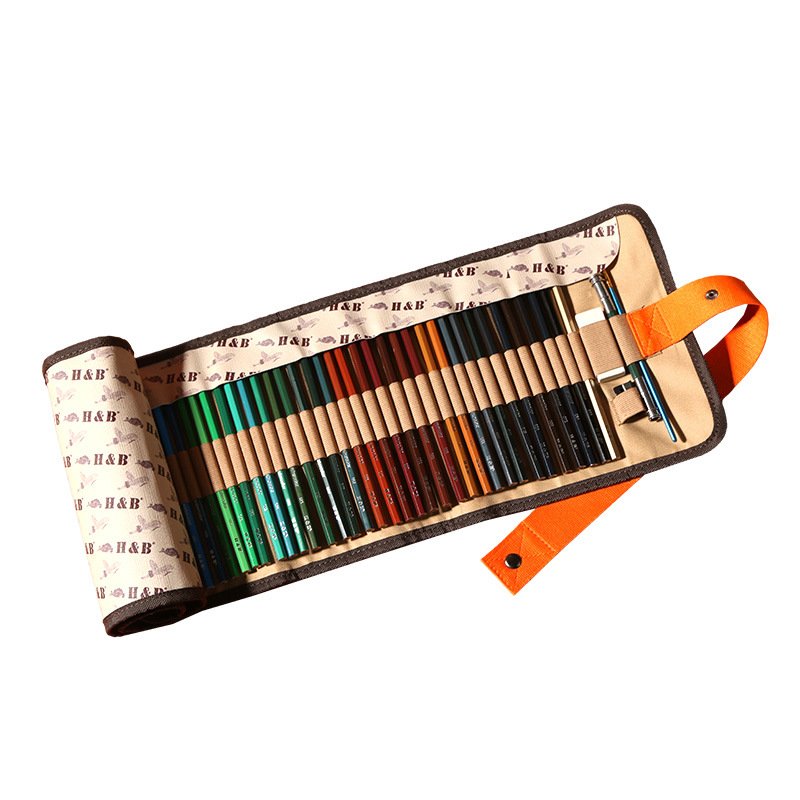 72-Color Water-Soluble Pencil Set
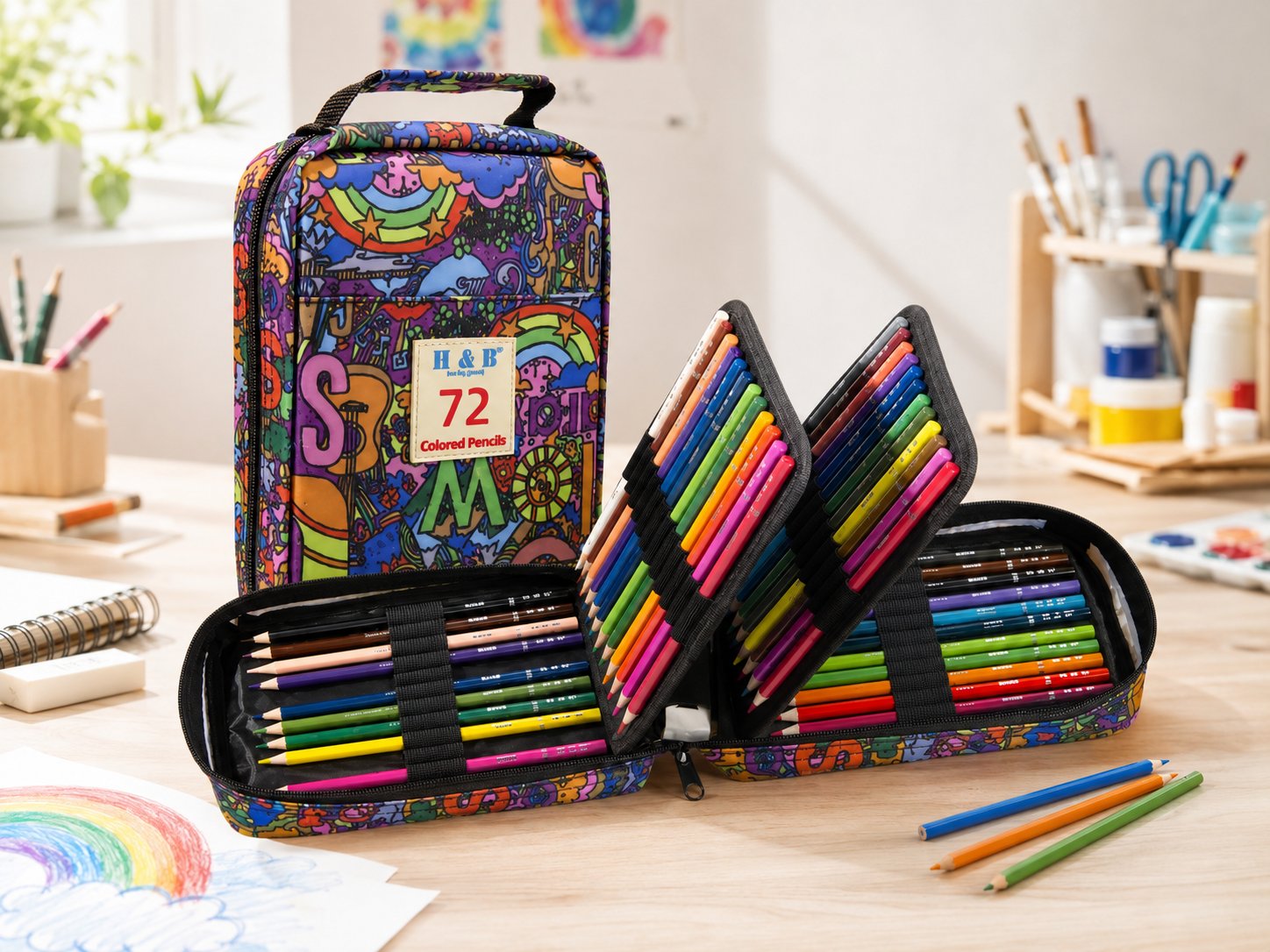 72-Color Oil-Based Pencil Set
 12-Piece Nylon Paint Brush Set
 12-Piece Bristle Detailing Brush Set
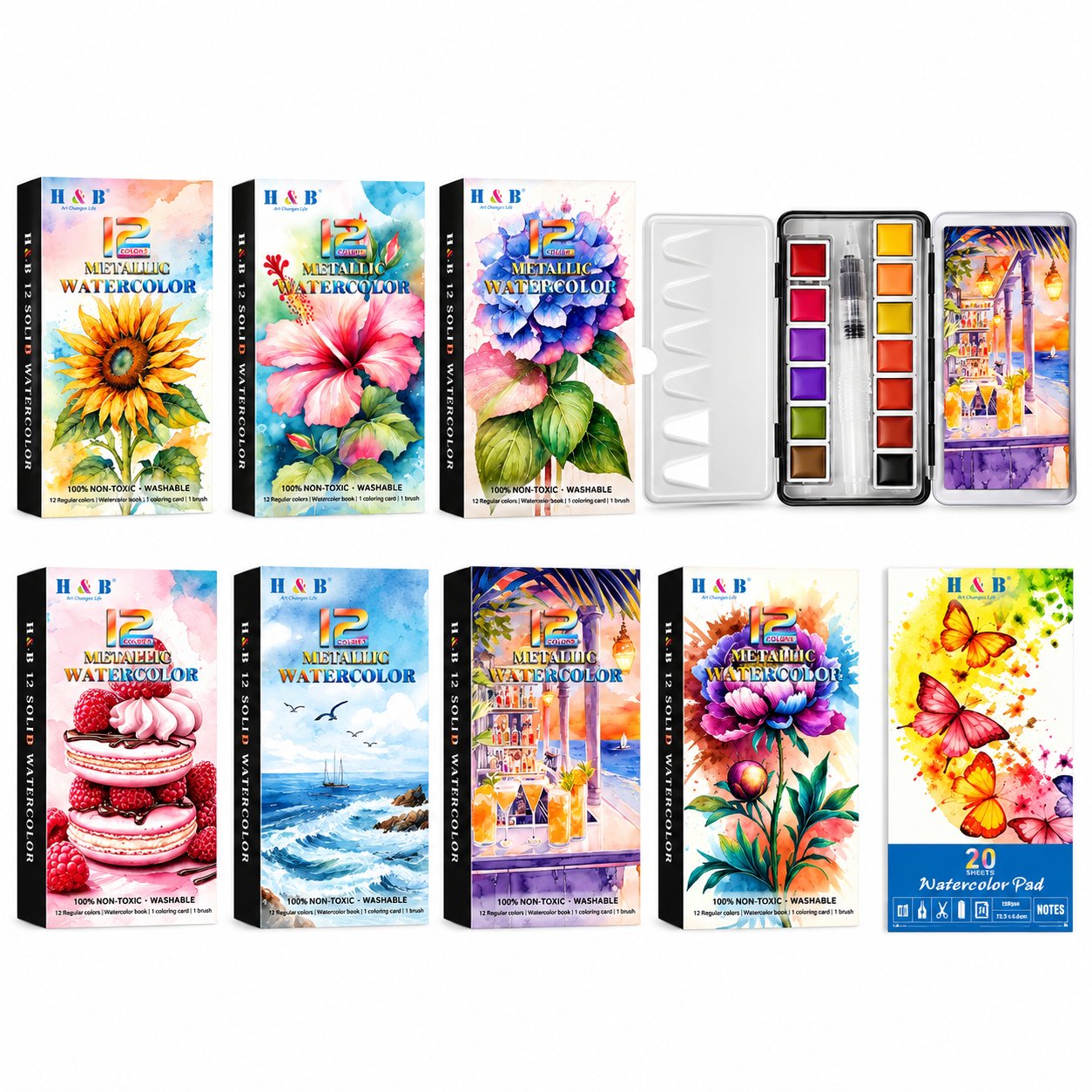 12-Color Watercolor Set with Water Brush
 24-Piece Watercolor Paint Set
Share the user task, proposed set, destination market and sample questions with H&B.